

Newsflash from Wednesday, 19 August 2026:
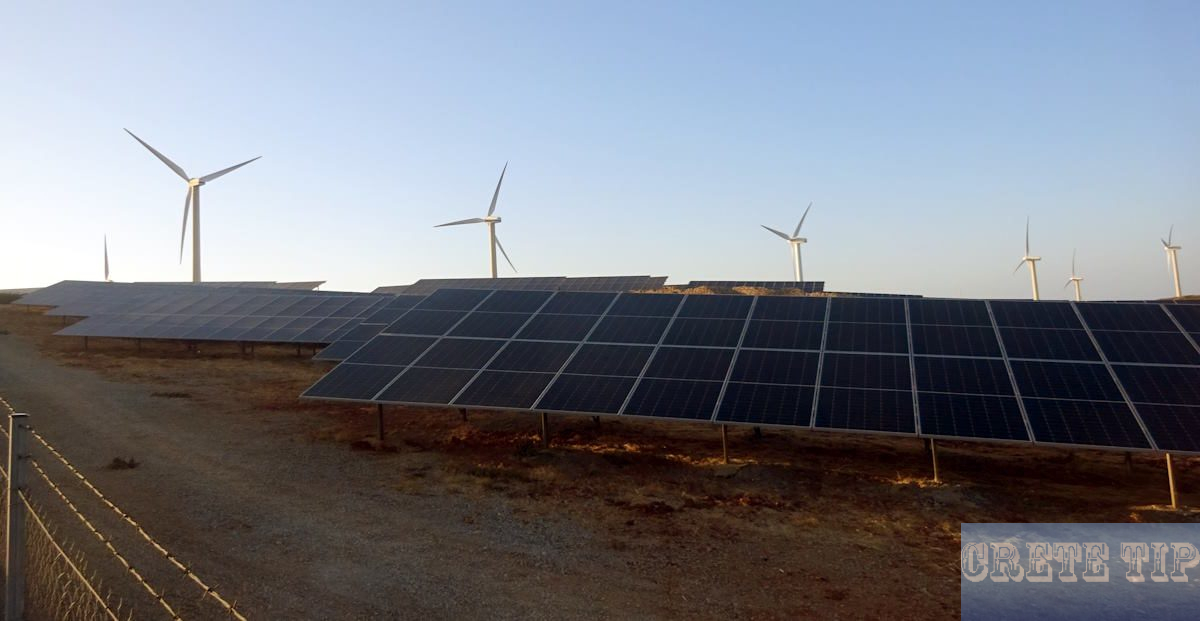
A brand new planning rulebook for renewable energy projects in Greece came into force today. It changes where wind farms, solar parks, and battery storage sites can be built.
The updated Special Spatial Planning Framework for Renewable Energy Sources (ΕΧΠ-ΑΠΕ) got signed off by the Environment and Energy Minister, along with two deputy ministers. It sets tighter rules than before.
If you’re involved in renewable energy development in Greece, this new framework directly affects where your project can go and what extra studies you’ll need. It brings in more no-go zones, stricter island rules, and tougher protections for Natura 2000 sites.
Investors, developers, and local communities all have a stake in understanding what’s changed. This guide breaks down the main updates in plain terms, covering wind farms, island restrictions, protected nature zones, and the most common questions being asked about the new rules.
What changes are taking place on the islands?
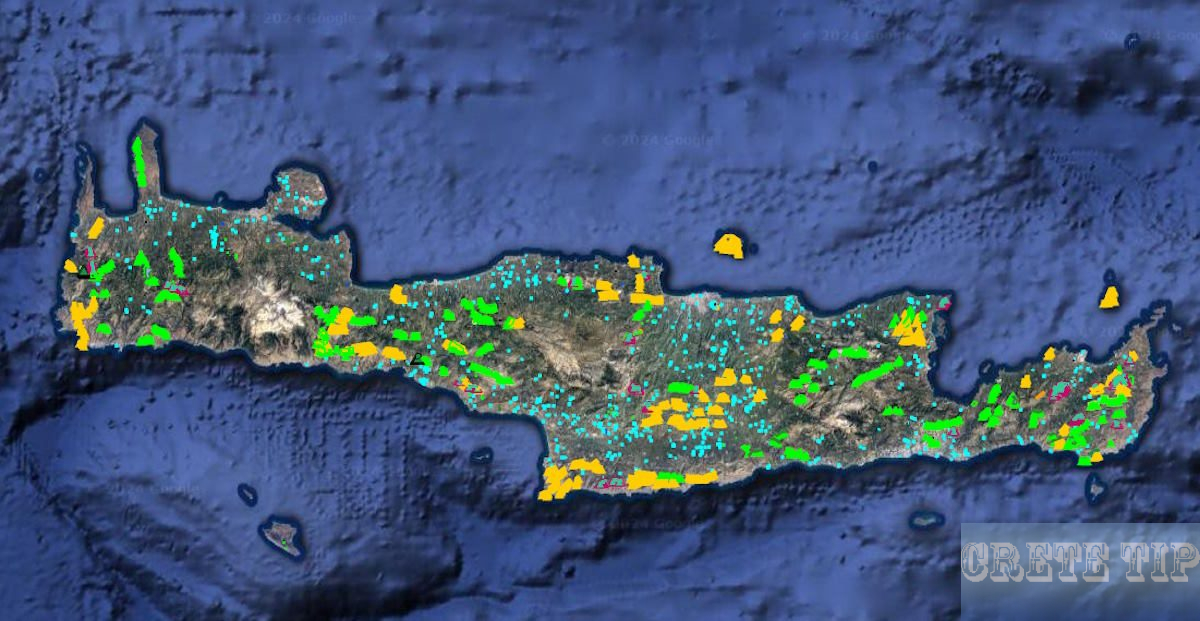
Islands get their own dedicated chapter in the new framework, and honestly, it makes sense. Greece’s islands face unique pressure from both tourism and limited land space.
If an island is smaller than 300 square kilometres, new wind farm installations now face tighter restrictions. There are exceptions, but only for projects tied to essential public services, like desalination plants, or those needed to keep the power grid stable.
Anyone applying to build a wind farm on an island needs to submit a landscape study as part of the environmental permit process. This study looks at the size of the proposed wind farm, the character of the surrounding landscape, and how the project might affect scenic views.
Mountainous parts of islands get individual assessment. Each site gets reviewed on its own merits, considering the shape of the land, local ecology, and other site-specific features.
The overall land coverage limit for wind farms on islands stays at 4% of the area per Municipal Unit. That cap hasn’t changed.
There’s also a useful exception for developers. Even in Municipal Units where average wind speeds sit below 4 m/s, a specific site with wind speeds above 7.5 m/s could still get approval.
To use this exception, you’ll need a certified wind measurement submitted to RAAEY (the Regulatory Authority for Waste, Energy and Water). These qualifying wind farms can’t exceed 1% of the Municipal Unit’s total carrying capacity, and all the other general rules in the framework still apply on top of this.
The new regulations for Natura 2000 sites

Special Protection Zones (ΖΕΠ) within the Natura 2000 network, areas set aside specifically to protect wild bird populations, now face the strictest rules in the whole framework. Building wind farms in these zones is banned as standard practice.
An exception is only possible when two specific conditions are met at the same time. The project must be explicitly allowed for in the area’s approved Special Environmental Study, and the site must show wind speeds above 7.5 m/s according to the official RAAEY wind map.
Both conditions have to be true together. Meeting just one won’t be enough to get approval.
The new framework sets out specific “Suitability Areas” for wind farm development. These are locations with strong enough wind potential, either shown on the official RAAEY map or proven through certified on-site measurements.
Even within these Suitability Areas, a project still can’t go ahead if it triggers any of the framework’s other restrictions. That covers Special Protection Zones, land above 1,200 metres in altitude, Areas of Outstanding Natural Beauty, and Ramsar wetlands.
Projects also can’t exceed the carrying capacity set for their Municipal Unit. Existing projects get some breathing room.
Wind and solar developments that are already operational, or that have reached an advanced stage of licensing, will continue under the previous planning rules. This protection applies to projects that had already secured a licence, or had their environmental permit application formally accepted as complete, before the new framework was published in the Government Gazette.
Questions and answers on the new specific spatial planning framework for renewable energy
1) What does the new specific spatial planning framework for renewable energy entail, and why is it an important institutional reform? What changes will there be in practice compared with the previous regulations?
The new framework sets out clear rules for renewable energy development, along with stricter exclusion criteria covering:
- Natura 2000 areas, with particular focus on Special Protection Zones
- Other protected natural areas
- Forests and wooded land
- Land above 1,200 metres in altitude
- Monuments and archaeological zones
- Island regions and tourism areas
It creates a stable, transparent system for both investment and permitting.
2) Which renewable energy technologies does the new framework cover, and which are excluded?
The framework covers all the main renewable technologies and energy storage systems. This includes solar power stations, wind farms, small hydroelectric projects, biomass and biogas plants, bio-liquid and biomethane production units, geothermal installations, and, for the first time, battery storage systems.
Certain projects sit outside the scope of the new rules, to protect existing investments and smaller-scale installations. These include:
- Projects already operating or well into the licensing process
- Small renewable installations exempt from standard permitting
- Large hydroelectric plants and pumped-storage projects
- Solar panels on rooftops, uncovered plots, or other built/artificial surfaces
- Wave power and similar marine energy stations
- Renewable hydrogen production facilities
- Supporting infrastructure linked to renewable energy stations
The framework really focuses on the larger projects that have the biggest impact on land, landscape, and the environment.
3) Where, then, is the installation of photovoltaic systems prohibited?
Solar parks now face exclusion from several categories of protected or sensitive land. These include Natura 2000 sites, forests and wooded areas, Ramsar wetlands and small island wetlands, archaeological zones, and land within national park core zones.
Beach areas used for swimming, along with untouched coastal stretches, are also off-limits. The same applies to zones near drinking water sources.
4) Apart from the restricted areas for photovoltaic installations – what restrictions now apply to the use of land for photovoltaic installations?
Beyond the no-go zones, the framework also caps how much land solar projects can cover within a given area. This stops any single region from being dominated by solar installations, keeping a reasonable mix of land uses across farming, nature, and energy production.
5) Where is the construction of wind farms no longer permitted?
Wind farms are now banned from Attica and the Metropolitan Area of Thessaloniki. Any land above 1,200 metres in altitude is also off-limits.
Other excluded areas include:
- Ramsar wetlands and small island wetlands
- Areas of Outstanding Natural Beauty
- National park core zones
- Specific nature protection zones
- Roadless Areas, swimming beaches, drinking water catchment zones, and untouched beaches
- Category A and B zones under the new Special Spatial Framework for Tourism
- Out-of-plan areas earmarked for tourism and leisure use
- Parts of active quarrying, mining and extraction zones
6) In which areas are wind farms permitted?
Wind farms can go ahead in designated Suitability Areas, defined by strong wind potential shown on the RAAEY map or confirmed through certified measurements. Even in these areas, a project must still avoid all the other restrictions covering altitude, protected landscapes, wetlands, and Special Protection Zones.
It also has to stay within the carrying capacity set for its Municipal Unit.
7) In light of the wildfires in Oraiokastro and West Attica, there are concerns about the construction of wind turbines in the affected areas. What is the situation regarding this?
Areas affected by wildfires, including Oraiokastro and Western Attica, remain subject to the full set of exclusion rules under the new framework. Attica itself is already excluded from wind farm development entirely, regardless of fire history.
Any land that falls within a national park core zone, a protected landscape, or another restricted category stays off-limits for wind development, fire damage or not.
8) How are monuments and archaeological sites protected?
Monuments and archaeological sites sit within their own protected zones under the new rules. Renewable projects, including solar and wind, can’t be built within these designated areas, keeping Greece’s cultural heritage sites clear of large-scale energy infrastructure.
9) Why is the expansion of renewable energy a national priority?
Renewable energy growth pushes Greece closer to energy independence. It also helps cut emissions and hit those European climate targets that, frankly, aren’t going anywhere.
If there’s a clear, dependable planning system, new projects can actually get built—without endless delays or messy disputes.
10) Does the new EHP-EE restrict the expansion of renewable energy, or does it facilitate it?
The framework manages to do both, oddly enough. It blocks development in sensitive or high-risk spots, but everywhere else, the rules get way clearer and more predictable.
For developers, predictability often matters more than having total freedom. When you know the rules upfront, you don’t waste time or money on projects doomed to get stuck in permitting.
11) What happens to projects that have already been approved or are currently undergoing the approval process?
If a project already has a licence or got its environmental permit application accepted as complete before the framework came out, it keeps running under the old rules. This move protects investments already in motion from getting derailed by new restrictions.
12) What does the new EHP envisage for the marine environment?
Marine areas get their own planning treatment. Offshore wind and other sea-based renewables aren’t lumped in with land projects.
Coastal protections—think swimming beaches and untouched shorelines—play into how nearby land-based projects get judged, too.
13) How are areas of high tourist interest protected?
Category A and B zones under the Special Spatial Framework for Tourism are now off-limits for new wind farms. This came straight out of public consultation.
People worried about turbines changing the look and feel of tourist hotspots, and honestly, who can blame them?
14) Was ändert sich für die besonderen Schutzgebiete (BSG) des Natura-2000-Netzwerks?
Special Protection Zones now have the strictest rules in the whole framework. Wind farms are banned by default here.
There’s a narrow exception: if a project is specifically named in the area’s Special Environmental Study and the site shows wind speeds above 7.5 m/s, it might go ahead.
15) What does the coordinated approach involving the specific spatial planning frameworks for tourism and industry entail?
When the renewables framework lines up with tourism and industry spatial plans, it helps dodge conflicting land-use decisions. If all three frameworks use the same map and rules, developers face fewer headaches from clashing authorities.
16) What are the main economic and development policy implications of the new ECHP-AEP?
Clearer rules usually draw in more serious, long-term investment. Developers can actually size up risk and viability early on.
Tighter restrictions in sensitive areas also help protect tourism revenue, farmland value, and natural assets that keep local economies ticking.
17) How will public participation in shaping the new regulations be ensured?
The framework went through a public consultation before finalisation. Feedback from that process directly shaped some final rules, like the ban on wind farms in Category A and B tourism zones.
This gave local communities, businesses, and campaign groups a real shot at influencing the outcome.
18) What is the vision for renewable energy up to 2050?
This framework sits inside a bigger national energy strategy that stretches all the way to 2050. The main idea? Balance the growth of renewables with protecting the environment and making sure local communities have a say.
Instead of rushing headlong into rapid development, Greece wants a steady, thoughtful expansion. The country seems determined not to risk its landscapes or natural treasures just for the sake of speed.
Sources:



