

Almost 380 migrants have arrived on Crete since the morning and are to be accommodated in former military camps. The challenges following the Pylos shipwreck in June 2023.

Over 300 migrants rescued today near Gavdos, south of Crete
Earlier on Thursday, 27 February, a significant rescue operation took place near the island of Gavdos. This event followed the arrival of six vessels carrying 274 migrants, marking a busy day for local authorities.
Shortly after, a seventh boat was located, carrying an additional 31 migrants, about 21 nautical miles southeast of Gavdos.
The migrants were spotted and saved by a patrol boat from the Greek Coast Guard. This operation was conducted under the coordination of the Unified Centre for Search and Rescue (UCSR), ensuring a swift response to the emergency.
The rescued individuals were safely transported to the harbour of Gavdos, highlighting the ongoing challenges faced in the Mediterranean region.
This influx brought the total number of migrants arriving at Gavdos to an impressive 305 within just a few hours. The situation exemplifies the ongoing humanitarian crisis in the area, as many individuals seek safer lives in Europe.
On Thursday afternoon, around 60 more migrants were located south of the prefecture of Heraklion, specifically on Marsalos beach near Lentas. According to the information provided, they were all men.
The rescuers involved worked diligently to ensure that all were accounted for and received necessary aid upon their arrival.
Despite the ongoing dangers of sea travel, migrants continue to make the perilous journey across the Mediterranean Sea. Many risk their lives in search of better opportunities and security.
The role of the Greek Coast Guard has been pivotal in these operations, aiding those in distress and providing assistance where needed. These events underline the critical need for effective search and rescue missions in the region.
The Coast Guard’s actions are crucial, particularly given the recent increase in migrant arrivals. Each new day seems to bring more stories of survival and desperation as people attempt to navigate the treacherous waters.
The current events paint a vivid picture of the reality faced by many who hope to reach asylum in Europe.
The ongoing efforts to manage these complex situations are shared among multiple agencies and involve vast teamwork among rescue operators, medical staff, and local communities.
Their collaboration is essential to provide support to those who find themselves in these precarious situations. Without such joint efforts, the outcomes could be far more tragic.
As more migrants arrive, the local population faces escalating challenges in providing support and services. The small island of Gavdos is struggling to manage the needs of these newly arrived individuals while maintaining essential services for its residents.
Solidarity and humane treatment continue to be focal points for local and national authorities as they respond to this pressing humanitarian crisis.
These incidents occur against a backdrop of fluctuating numbers of arrivals on various Mediterranean shores. The increasing number of rescue operations points to a continuing trend of migration to Europe by sea.
Various organisations and governments are urged to engage in discussions about solutions to effectively address and manage the influx.
The situation in Gavdos remains dynamic, and authorities continue to monitor the waters closely. The commitment to rescuing lives persists as more attempts to cross the Mediterranean are anticipated in the coming weeks.
Every rescued individual represents a story, a struggle, and a reminder of the challenges faced by many in their search for safety.
Proposal for two reception camps on Crete

The situation in Crete regarding the influx of migrants has reached a critical point, prompting urgent calls for action from local officials. The Prefect of Crete, Stavros Arnaoutakis, has emphasised the need for the Minister of Defence, Nikos Panagiotopoulos, to visit the island without further delay. This request comes amidst rising tensions due to increased migrant flows over recent months.
Recent reports indicate that over 300 migrants arrived in Gavdos within a short period, highlighting the growing urgency of the issue. Local authorities have struggled to manage the temporary accommodation of migrants, often in unsuitable facilities.
The need for effective management has become paramount, as local resources are stretched thin and lack sufficient funding and support.
In response to these pressing concerns, Arnaoutakis proposed the establishment of two temporary migrant accommodation centres in inactive military camps on the island. He highlighted that European funding is available for this initiative, suggesting a viable path forward for both the safety of migrants and the local community.
During a phone conversation with Prime Minister Kyriakos Mitsotakis, Arnaoutakis received assurances that these two facilities will be created, marking a significant step towards addressing the situation.
The proposed centres would house up to 300 individuals each, located in two distinct areas on Crete. The availability of funds from the European Union makes this project feasible, allowing the local government to provide a humane response to the ongoing crisis.
This initiative aligns with broader efforts to ensure both safety and cooperation among local authorities, government officials, and humanitarian agencies.
Despite the urgency of the situation, Arnaoutakis has expressed frustration over the delays in Panagiotopoulos’s visit to Crete. This visit is seen as essential for finalising arrangements and exploring how to implement the proposed solutions effectively.
The Prefect’s commitment to addressing the needs of migrants reflects a compassionate approach, recognising the necessity of humane treatment amid challenging circumstances.
As discussions continue, it is evident that collaborative efforts between various levels of government and relevant agencies will be crucial in establishing functional and safe accommodations.
The shared goal is to manage the increasing number of migrants in a way that safeguards their rights while also considering the capabilities of local infrastructure and services.
Challenges in the Aftermath of the Pylos Shipwreck
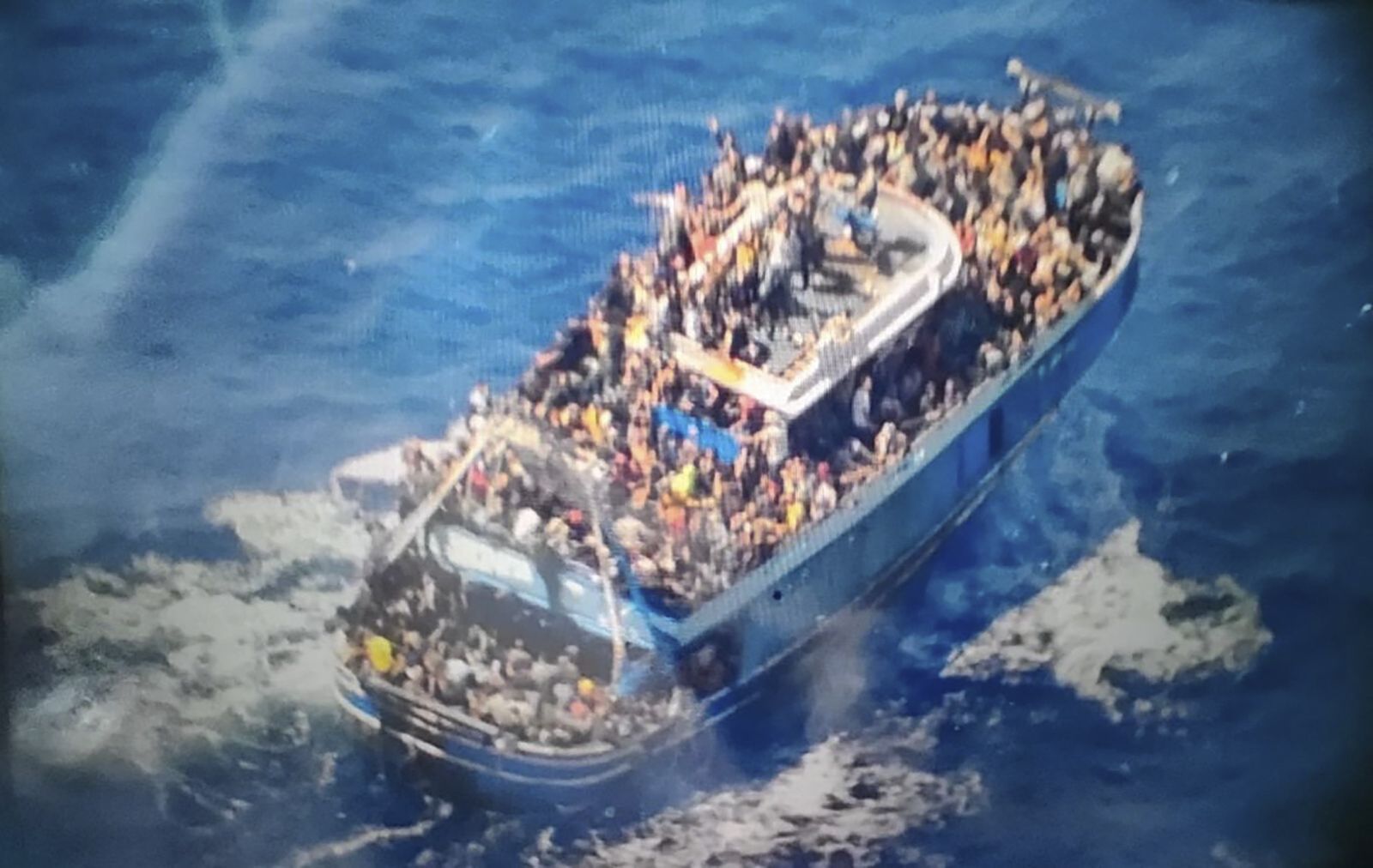
In June 2023, the sinking of the fishing vessel Adriana off the coast of Pylos led to a grave humanitarian disaster. Official reports indicate that 82 refugees lost their lives, with many others missed. The Greek Coast Guard managed to rescue only 103 individuals.
Despite the magnitude of this tragedy, attention quickly shifted to other news, leaving the incident largely unaddressed until recent developments brought it back into public discussion.
A significant turning point occurred on 3 February, 2025, when the report from the Ombudsman was released. This document provided clear insights into the actions of eight senior officers in the Hellenic Coast Guard. It highlighted their failure to act appropriately given the risks to the lives and health of those on board the Adriana.
The officers faced potential legal accountability for their actions under the law, specifically concerning serious negligence regarding the safety of the individuals in distress.
The Ombudsman’s investigation uncovered that the Coast Guard was aware of the perilous situation but delayed their response. When they finally intervened, their actions may have unintentionally contributed to the vessel’s sinking.
These findings echoed previous conclusions from a similar investigation conducted by Frontex, which raised concerns about the Coast Guard’s lack of an internal review and their refusal to submit requested evidence, like video footage from their vessel.
Moreover, there have been serious allegations regarding the handling of the case by the Piraeus Naval Prosecutor’s Office. Critics charge that the office prepared an insufficiently thorough dossier, which overlooked critical elements of the tragedy.
In response to the Ombudsman’s findings, the government adopted an aggressive stance, signalling a willingness to challenge the report and the implications of its findings. This government reaction, described as combative, reflected a desire to control the narrative surrounding the incident and its aftermath.
Given the complexities introduced by the investigation, a range of issues has emerged that raise questions about accountability and transparency in handling such maritime disasters:
- Delayed Response: Evidence suggests that the Coast Guard delayed their response, knowing that lives were at stake.
- Communication Failures: Reports point to the absence of critical logs that document communications and decisions made during the rescue operation. This lack of documentation complicates the investigation into what exactly transpired that day.
- Potential Negligence: The findings indicate a concerning level of negligence, potentially placing culpability on senior officials within the Coast Guard.
These issues have ignited discussions about the efficacy of Greece’s naval operations, especially regarding search and rescue missions in international waters. As these dialogues continue, the focus remains on how to prevent similar tragedies in the future.
Furthermore, the reactions from various parties have sparked debates about the role of independent authorities in ensuring accountability. Pressures have mounted for a comprehensive review of the Coast Guard’s procedures and for establishing clearer protocols when handling distress signals from vessels in peril.
The Ombudsman’s report encompassed approximately 5,000 pages of evidence, reflecting the seriousness of the inquiry. This thorough documentation outlines not only the findings but also the procedural gaps that need addressing to improve future responses to maritime emergencies.
The incident has also raised ethical questions regarding how authorities manage and document rescue operations. The reluctance of the Coast Guard to release certain details, such as video footage from their equipment, raises suspicions about potential cover-ups or attempts to avoid scrutiny.
In light of these revelations, it is increasingly crucial to consider the implications for policy reform. New measures may be necessary to ensure that all maritime rescue operations are conducted with the utmost regard for human life and safety.
The community surrounding Pylos and broader society has witnessed a mix of outrage and call for action in response to these findings. Families of victims and advocacy groups are demanding justice and accountability for what happened during that tragic incident.
Communication and trust between the authorities and the public have been severely tested, highlighting the need for transparent processes. As calls grow for heightened oversight and independent reviews, it becomes evident that systemic changes may be required to rebuild trust in maritime safety regulations.
Public scrutiny of the Coast Guard’s response has intensified as more details emerge surrounding the events leading up to the shipwreck. Information leaking out about internal operations and decision-making processes reveals a troubling pattern of negligence that the public is not willing to overlook.
In a diverse set of cases, maritime tragedies have prompted updates to operating procedures and reform across various nations. As such, the Pylos incident’s legacy could resonate beyond Greece, serving as a crucial reminder of the need for vigilance and ethical conduct in all operations at sea.
The ramifications of this shipwreck extend beyond the immediate tragedy, catalysing widespread discussions about migration policies and humanitarian responses. Advocacy groups have expressed their concerns about the treatment of refugees and the responsibilities of nations in providing safe passage and rescue when needed.
The complexities surrounding the Pylos shipwreck continue to unfold, leading to an ongoing examination of the major stakeholders involved. From governmental bodies to non-profit organisations and international agencies, each plays a role in shaping the future of maritime safety and immigration responses.
In looking toward potential reforms, various stakeholders will need to engage in dialogue to ensure that safety protocols are enforced while respecting the rights and dignity of all individuals seeking refuge. The legal and ethical implications of the findings must be discussed publicly to foster an environment of accountability.
Many observers believe that this incident serves as a clear indication of systemic failures within Greek maritime operations, particularly regarding humanitarian crises. Policymakers will likely examine the need for improved training and resources to better prepare for similar situations in the future.
As the public demands answers and acknowledges the pain endured by victims’ families, there is a growing movement toward ensuring damages are addressed and that policies are put in place to better protect vulnerable populations at sea.
Moving forward, maintaining transparency will be vital in restoring confidence. The burden lies upon authorities and stakeholders to ensure that lessons learned from the Pylos shipwreck are not forgotten.
The heart of the matter rests not only on accountability but on a commitment to preventing future tragedies through comprehensive measures that prioritise human life. Ultimately, public pressure and advocacy will shape the legacy of the Adriana shipwreck and the ongoing dialogue surrounding maritime safety and human rights.
As discussions unfold, it remains essential for all involved parties to keep focused on the underlying human experiences that brought them to this point. This ensures that voices of the affected are heard and valued in the conversations that will pave the way for future improvements.
Frequently Asked Questions
What are the strategies of Ministers Arnaoutakis and Panagiotopoulos for their visit to Crete regarding immigration policies?
Ministers Arnaoutakis and Panagiotopoulos intend to discuss measures that will be adopted to improve the situation surrounding immigration in Crete. Their visit aims to engage with local authorities and communities to ensure that the policies implemented will meet the needs of the region effectively.
What pledges has Prime Minister Mitsotakis made related to immigration management?
Prime Minister Mitsotakis has made several commitments to enhance the management of immigration in Greece. These include providing support for local communities and ensuring that resources are allocated efficiently to handle new arrivals while maintaining public safety and order.
What is the suggestion for setting up two centres in inactive military bases?
The proposal involves converting two inactive military camps into facilities for managing immigrants. This plan aims to provide adequate housing and resources for individuals arriving in Greece while making use of existing infrastructure that is no longer in active use.
How will the immigration policies of the government impact residents of Crete?
The government’s immigration policies are expected to create a range of effects on the local population in Crete. There may be concerns about the integration of immigrants into the community, local resources, and services, as well as maintaining public order and safety. The government is working to alleviate these concerns through consultation and support measures.
What actions are being taken to address the challenges faced by immigrants arriving in Greece?
Various measures are being implemented to support immigrants coming to Greece. These include providing essential services, access to healthcare, and assistance with integration into the community. The aim is to ensure a smoother transition and improve the overall conditions for those arriving.
How does the Greek government propose to reconcile local issues with national immigration strategies?
The Greek government plans to balance local concerns with broader national immigration policies by actively involving local authorities in the decision-making process. This approach aims to ensure that national strategies take into account the specific needs and challenges faced by communities across Greece, including Crete.



