

Sea turtles dig nesting pits on Platanias beach, while in Falassarna, baby turtles and eggs are destroyed by deckchairs of a beach bar.
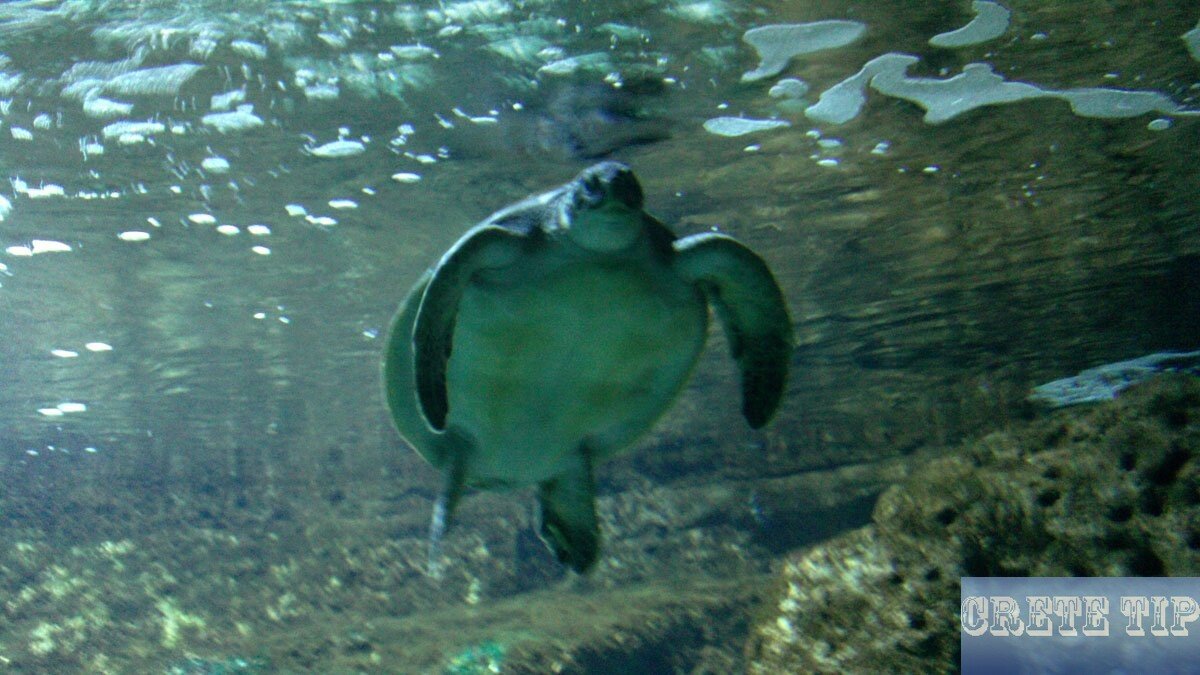
Sea turtle digging a nesting pit on Platanias beach in Chania
On a sunny beach in Platanias, Crete, something rare happened. A loggerhead sea turtle (Caretta caretta) crawled out of the sea to lay her eggs right between sunbeds and umbrellas.
She dug a nest in the sand, picking her spot even with crowds nearby. The turtle just kept going, calm and focused, not bothered by the people watching.
This beach sits inside the protected Natura 2000 network. It’s meant to help conserve habitats and species, like these turtles that keep coming back to nest.
People noticed because, honestly, it’s not every day you see a turtle braving a busy beach to lay eggs. It really puts the spotlight on the trouble turtles face when humans and wildlife cross paths.
Someone caught the whole thing on video and local environmental groups shared it online. You can see her using her flippers to scoop out the sand and dig a deep enough hole for her eggs.
She covers the nest with care before heading back to the sea. The video’s kind of mesmerizing—there’s something determined and ancient about her movements.
Loggerhead turtles are protected in the Mediterranean. Every nesting season, they show up on these beaches and dig nests for their eggs, hoping the hatchlings will make it out alive.
When the tiny turtles hatch, they make a run for the water. Most don’t make it—nature’s rough, and predators are everywhere.
But humans don’t make it easier. Bright lights and loud noise can confuse or scare the mother turtles, sometimes stopping them from laying at all.
Worse, hatchlings can get lost, heading toward streetlights instead of the sea. That’s a recipe for disaster.
Predators like birds and fish wait for the hatchlings. Until the little turtles hit open water, they’re in real danger.
Environmental experts keep saying it: we’ve got to protect these nesting sites. That means less noise, fewer lights, and just giving turtles some space.
If you’re visiting a turtle beach, here’s what you should do:
- Keep noise down near nests.
- Turn off or dim lights at night.
- Let turtles be if you spot one on the sand.
- Don’t touch or move nests or hatchlings.
- If you see an injured or stranded turtle, call local conservation folks.
Aspect | Details |
|---|---|
Species | Loggerhead sea turtle (Caretta caretta) |
Location | Platanias beach, Chania, Crete |
Nesting behaviour | Digging sand nest between sunbeds |
Human impact risks | Noise, artificial light, disturbance |
Hatchling threats | Predators, disorientation by lights |
Conservation efforts | Protected area under Natura 2000, public awareness campaigns |
Broken eggs and dead baby turtles on Falassarna beach
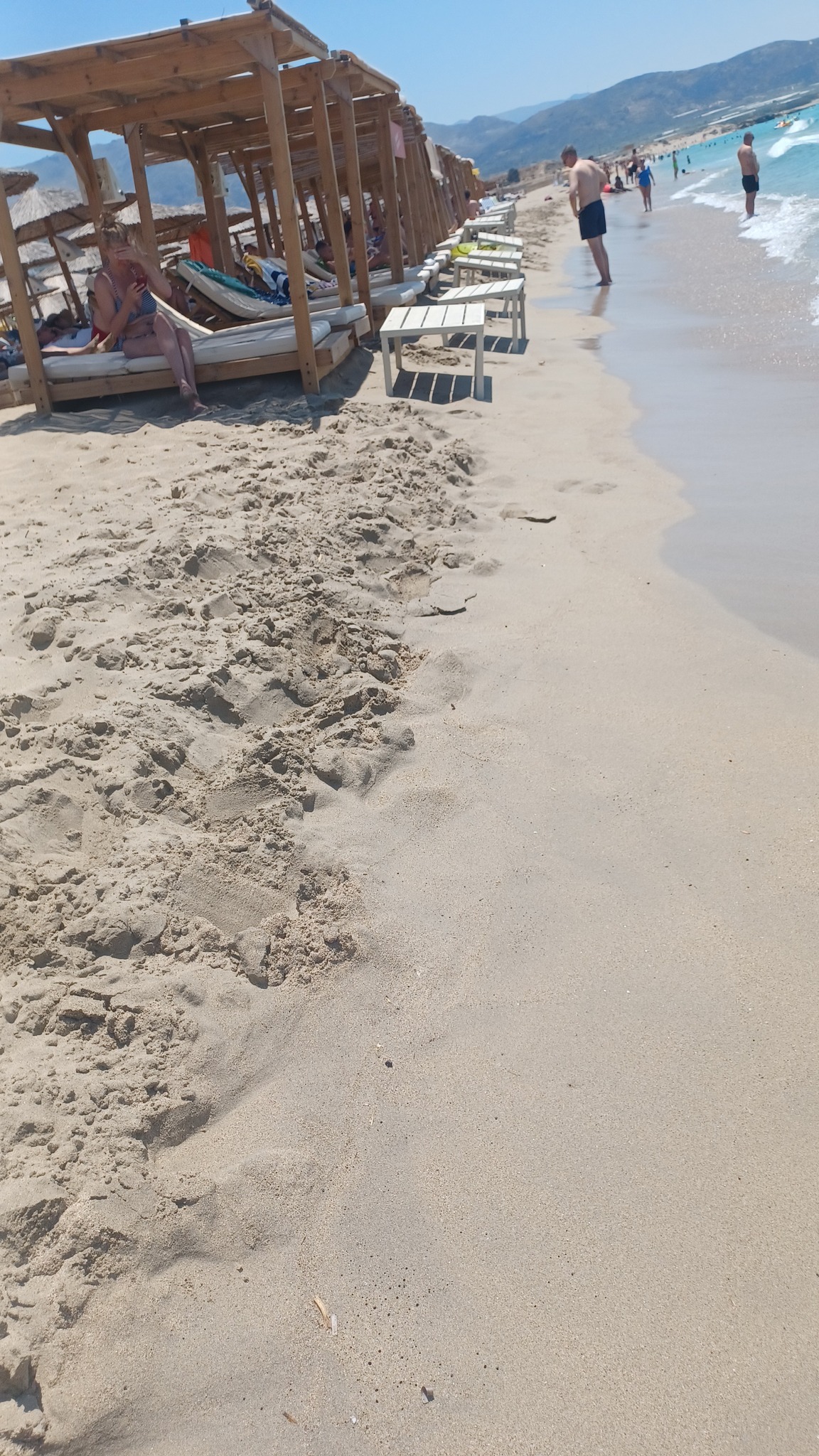
Falassarna beach is facing a pretty grim situation right now. People have put heavy sunbeds all the way to the waterline, right where endangered turtles nest.
Those sunbeds block hatchlings from reaching the sea and crush the nests. The result? Broken eggs and dead baby turtles scattered across the sand.
A local animal welfare group is sounding the alarm. They want to know if those sunbeds are even legal in such a sensitive spot.
They’re urging the authorities to look into it and find out if anyone’s protecting these nests at all. The situation feels especially bad because the eggs got crushed before the turtles could even hatch.
It’s a rough reminder of how much damage careless human choices can do, especially to a species already struggling to survive.
Key Points
Issue | Details |
|---|---|
Location | Falassarna beach, known for turtle nesting sites |
Installed structures | Heavy sunbeds placed close to and on nesting areas |
Impact | Broken eggs and dead hatchlings found on the sand |
Concern | Possible illegality of sunbed placement and lack of protection for nests |
Requests | Animal welfare group urges official checks and actions |
Effects on Turtles
- Eggs got cracked open before they could hatch.
- Hatchlings were found dead, never making it to the sea.
- Disturbed nests mean fewer turtles in the future.
Actions Demanded
The animal welfare group wants:
- Officials to inspect the sunbed setups, right away.
- Proof that these structures are legal in nesting zones.
- Real steps to protect the nests from more harm.
Visual Evidence
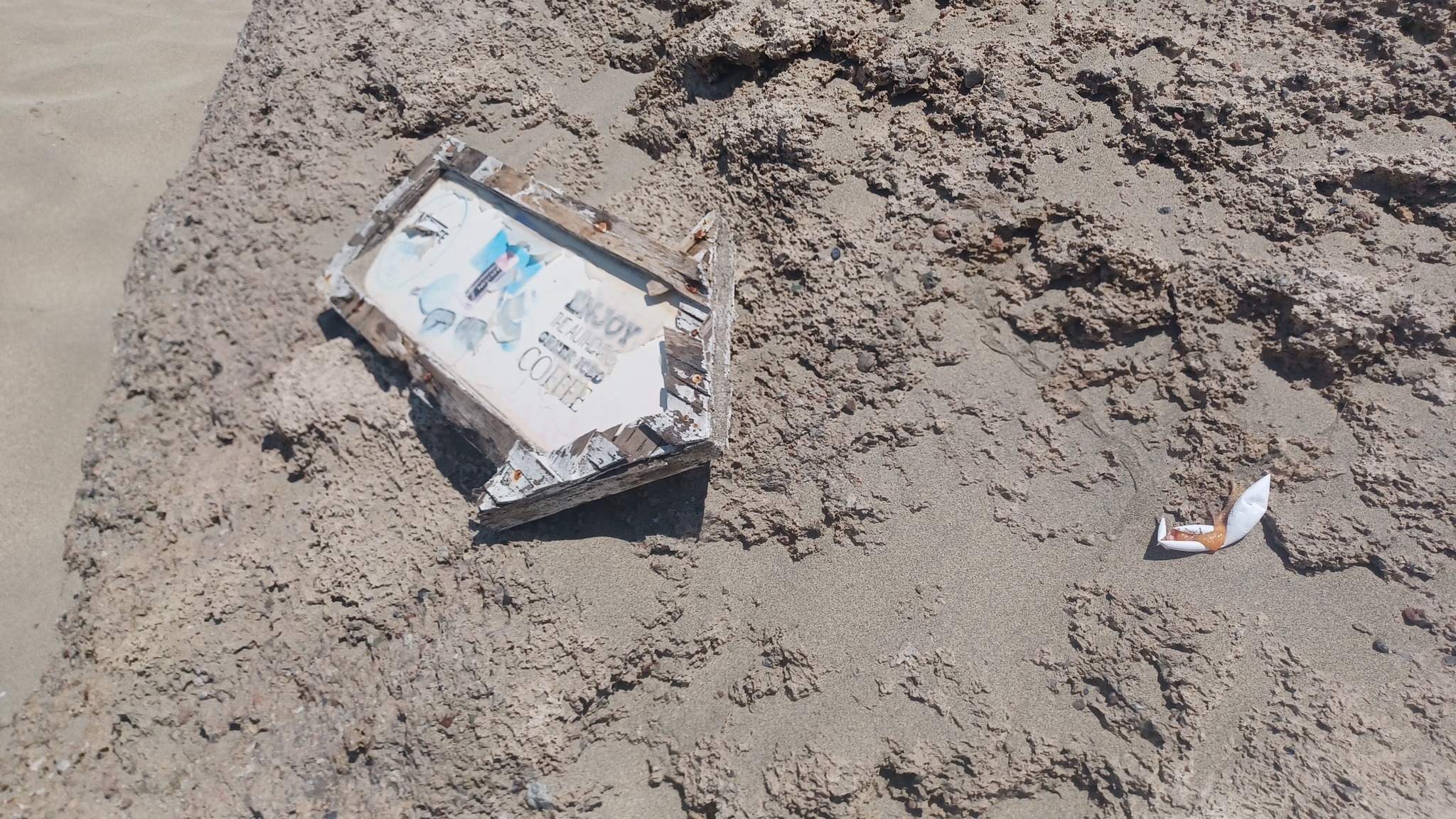
Images are making the rounds, showing the damage up close—broken shells scattered in the sand and, heartbreakingly, dead baby turtles. It’s hard to look at these photos and not feel a sense of urgency about protecting these delicate spots.
Sunbeds placed smack in the middle of this crucial habitat? That’s a real problem for turtle survival. It just keeps reminding us how tough it is to juggle tourism with actually keeping wildlife safe.



