

Newsflash from Monday, 8 June 2026:
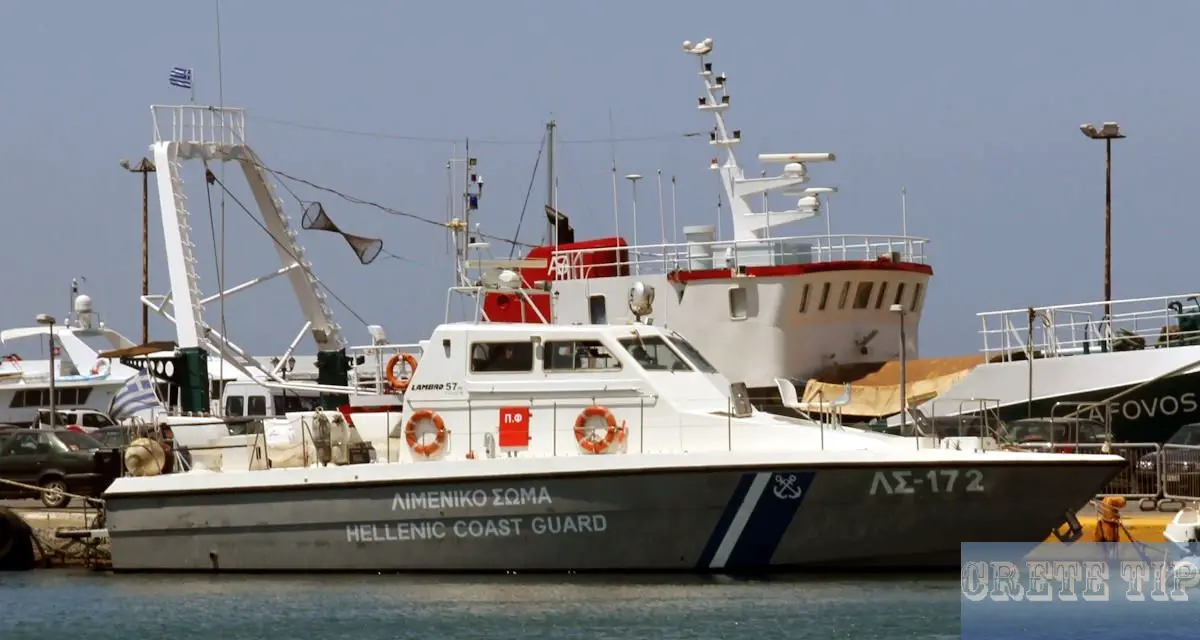
Crete Overwhelmed: 300+ Migrants Arrive in 48 Hours as Sea Route Surge Continues
Crete is experiencing an unprecedented surge in migrant arrivals, with over 200 individuals reaching the island’s southern shores on Friday and Saturday alone, followed by more than 100 additional migrants arriving since yesterday. The continuous influx has stretched local authorities and rescue services to their limits, as Coast Guard and Frontex operations remain in constant mobilization.
The Scale of the Crisis
In a remarkable 72-hour period, Greek authorities have intercepted and rescued more than 300 migrants attempting to reach Crete from Libya. The arrivals have been spread across multiple incidents, with boats landing at various points along the island’s southern coast—from Gavdos to the beaches near Kaloi Limenes and beyond.
According to Coast Guard announcements, the recent arrivals include vulnerable populations: families with women and children, as well as unaccompanied minors. Many of the migrants are originating from Sudan and South Sudan, having paid between €5,500 and €10,000 in Libyan dinars (equivalent to approximately €7,000-€13,000) for passage to Greece.
Multiple Rescue Operations
The sheer number of incidents reflects the complexity of the current situation:
- Friday-Saturday Operations: Over 200 migrants arrived across five separate incidents, with rescue teams deployed to waters south of Crete and Gavdos
- Latest Wave: An additional 102 migrants were rescued in three separate operations over a 24-hour period, including 41 individuals near Korfos on Gavdos, 34 south-southwest of Gavdos, and 27 south of Kaloi Limenes
- Additional Incidents: By Saturday morning, 219 migrants had been documented, with groups of 44, 56, and 30 individuals being rescued from separate vessels
Coast Guard vessels and Frontex patrol ships have been working around the clock to intercept the boats, conduct rescue operations, and transfer migrants to harbors in Paleochora, Rethymno, and Agia Galini.
Trafficking Networks Under Investigation
What makes these arrivals particularly significant is the involvement of organized smuggling networks. During ongoing investigations, authorities have arrested three individuals suspected of acting as human traffickers:
- A 24-year-old South Sudanese national arrested in Gavdos
- A 30-year-old South Sudanese national detained following rescue operations
- A 16-year-old Sudanese minor implicated in facilitating migrant passage
Each has been charged with violations of Greece’s immigration laws (Law 3386/2005), human trafficking facilitation laws (Law 5038/23), and additional articles of the Criminal Code. According to testimonies from rescued migrants, the smugglers organized departures from Tobruk, Libya, promising safe passage to Greece in exchange for substantial payments.
Favorable Weather Conditions Fuel the Surge
Authorities attribute the recent surge to unusually calm sea conditions. The favorable weather—combined with warm temperatures and minimal wind—has made sea crossings less dangerous and more attractive to migrants desperate to reach Europe.
“The positive weather conditions are encouraging more departures from Libyan ports,” a Coast Guard spokesperson noted, adding that authorities remain in heightened alert status.
Strain on Local Resources
The rapid influx has created significant challenges for local communities and authorities. Rescue operations have required coordination between multiple agencies, including the Unified Search and Rescue Coordination Center (EKSED), the Coast Guard, Frontex, and local port authorities in Chania and Rethymno.
Rescued migrants have been transferred to temporary accommodation centers in locations including Agia on the island, as well as hosting facilities in Rethymno. Authorities are conducting medical screenings and registrations before determining next steps for the asylum process.
What’s Next?
The investigations continue at port authorities across Crete, with particular focus on dismantling the trafficking networks orchestrating these dangerous crossings. Meanwhile, rescue operations are expected to continue as long as weather conditions remain favorable for sea passage.
Greek officials have called for increased support from the European Union in managing migration flows, emphasizing that island communities like Crete bear a disproportionate burden in processing and accommodating arriving migrants.
For now, the focus remains on immediate humanitarian response: ensuring rescued migrants receive medical care, food, and shelter while authorities work to identify vulnerable individuals requiring special protection.
This situation highlights the ongoing challenges facing Greece and other Mediterranean nations as migration routes remain active and organized trafficking networks continue to exploit migrants desperate for a better life in Europe.
Heraklion’s Migrant Facility Standoff: Local Leaders Say “No” But Offer No Solutions

The old KTEO station (MOT) on the expressway from Heraklion towards Hersonissos
Heraklion finds itself at an impasse. Local authorities have united in vocal opposition to a proposed migrant accommodation facility, yet have failed to present concrete alternative proposals to address Crete’s escalating migration crisis. The stalemate reflects a broader pattern of reactive governance rather than strategic planning, leaving the burden of decision-making increasingly on the central government.
A House United Against the Plan
The proposed migrant facility has sparked unprecedented coordination among local stakeholders. During an emergency municipal council meeting in Chersonisos on Sunday morning, a united front emerged against the project:
- Municipal Leaders: Eight mayors across Crete, led by Chersonisos Mayor Zacharias Doxastakis, formally rejected the facility proposal
- Regional Government: The Crete Regional Authority and Prefecture officials voiced strong opposition
- Tourism Sector: Hotel associations and tourism businesses mobilized to block the initiative
- Local Councils: The Regional Coordination Body (PED) aligned with municipalities in rejecting the proposal
“There is a complete absence of information and consultation,” Doxastakis stated bluntly, criticizing the Migration Ministry’s lack of transparency. “The minister could simply pick up the phone and arrange a meeting.”
The Former KTEO Facility: Why It’s Being Rejected
The primary focus of opposition has been the proposed conversion of a former vehicle inspection facility (KTEO) in Chersonisos into a migrant reception center. Local officials argue the location is fundamentally unsuitable:
- Proximity to Tourism: The facility would be situated just 50 meters from tourist accommodations and businesses dependent on beach tourism
- Beach Proximity: It lies a mere three kilometers from Crete’s largest beach—a crucial destination for the region’s tourism economy
- Zoning Violations: The location fails basic urban planning standards for such facilities, according to regional authorities
- “Worst Possible Choice”: Doxastakis dismissed it as “the worst option among all available alternatives”
Nikos Syrigonakis, Heraklion’s Regional Deputy Governor, emphasized that the facility space continues to serve essential regional functions—hosting vehicle safety inspections and storing significant portions of the regional administration’s archives.
The Alternative That Wasn’t
While opposition has been vigorous, alternative solutions have been conspicuously absent from local discussions. However, emerging reports suggest at least one alternative location has been under consideration: the former Skouloudi olive oil processing and packaging facility in Athanati.
According to sources, this location was proposed by parliamentary representatives and offers several potential advantages:
- Strategic Location: Proximity to the Messara road axis, the island’s hospital, and the port
- Infrastructure: Existing industrial structures requiring minimal renovation
- Isolation: Greater separation from tourism zones and populated areas
- Feasibility: Some observers consider it “almost ready” for conversion
Yet despite this suggestion circulating among political actors, no formal proposal has been presented by local officials themselves.
Government Pressure Mounts
Behind the scenes, the central government is intensifying pressure for rapid resolution. According to information disclosed during Sunday’s council meeting, Migration and Asylum Minister Thanos Plevreis has reportedly:
- Emphasized that Crete’s migration situation has reached critical severity, with arrivals threatening to become uncontrollable
- Received orders from the Prime Minister to finalize facility placement by Tuesday (June 10)
- Warned that if local authorities reject proposed solutions without offering viable alternatives, expropriation procedures may be considered
The timing is significant: Tuesday marks when the Migration and Asylum Ministry’s legislative bill implementing the EU Migration and Asylum Pact will be introduced to Parliament—suggesting the government aims to move forward with or without local consent.
The Core Contradiction
This standoff exposes a fundamental contradiction in local governance. While mayors, regional officials, and business leaders have been swift to mobilize opposition, they have been notably slower to propose concrete alternatives. Mayor Doxastakis’s suggestion—that eight Cretan mayors, the PED, and the regional government “sit at the same table” to examine solutions through “specific management plans and documented studies”—acknowledges the need for alternatives without committing to developing them.
“For honest dialogue to occur and reach a resolution, the minister must lay his cards on the table and inform stakeholders,” Doxastakis stated. Yet local leaders have similarly kept their own cards hidden, offering criticism rather than comprehensive solutions.
The Broader Context: A Crisis That Won’t Wait
The resistance to facility placement must be understood within Crete’s migration crisis context. The island has experienced extraordinary pressure from sea arrivals:
- Over 300 migrants arrived within a 72-hour period (Friday through Sunday)
- Arrivals continue at rates exceeding 100+ individuals daily
- Coast Guard and Frontex resources are stretched to capacity
- Temporary accommodation centers are approaching maximum capacity
This surge underscores why the central government views facility placement as urgent—and why continued opposition without solutions is increasingly unsustainable.
What Happens Next?
The municipality of Heraklion and regional authorities face a critical decision point. If local leaders maintain opposition without proposing viable alternatives by Tuesday’s deadline, the government may pursue expropriation measures or unilateral placement decisions.
Conversely, if local authorities wish to retain input into facility location and design, they must move beyond rejection toward concrete proposal development—something that has yet to materialize at an official level.
The current trajectory suggests a collision course between local resistance and government determination, with the island’s migrant population caught in the middle.
The Heraklion standoff reflects a broader European challenge: managing migration flows while balancing local concerns and tourism economies. Without constructive engagement from local stakeholders, solutions are likely to be imposed rather than negotiated—rarely producing optimal outcomes for any party involved.
Sources:



