

Newsflash from Friday, 8 May 2026:
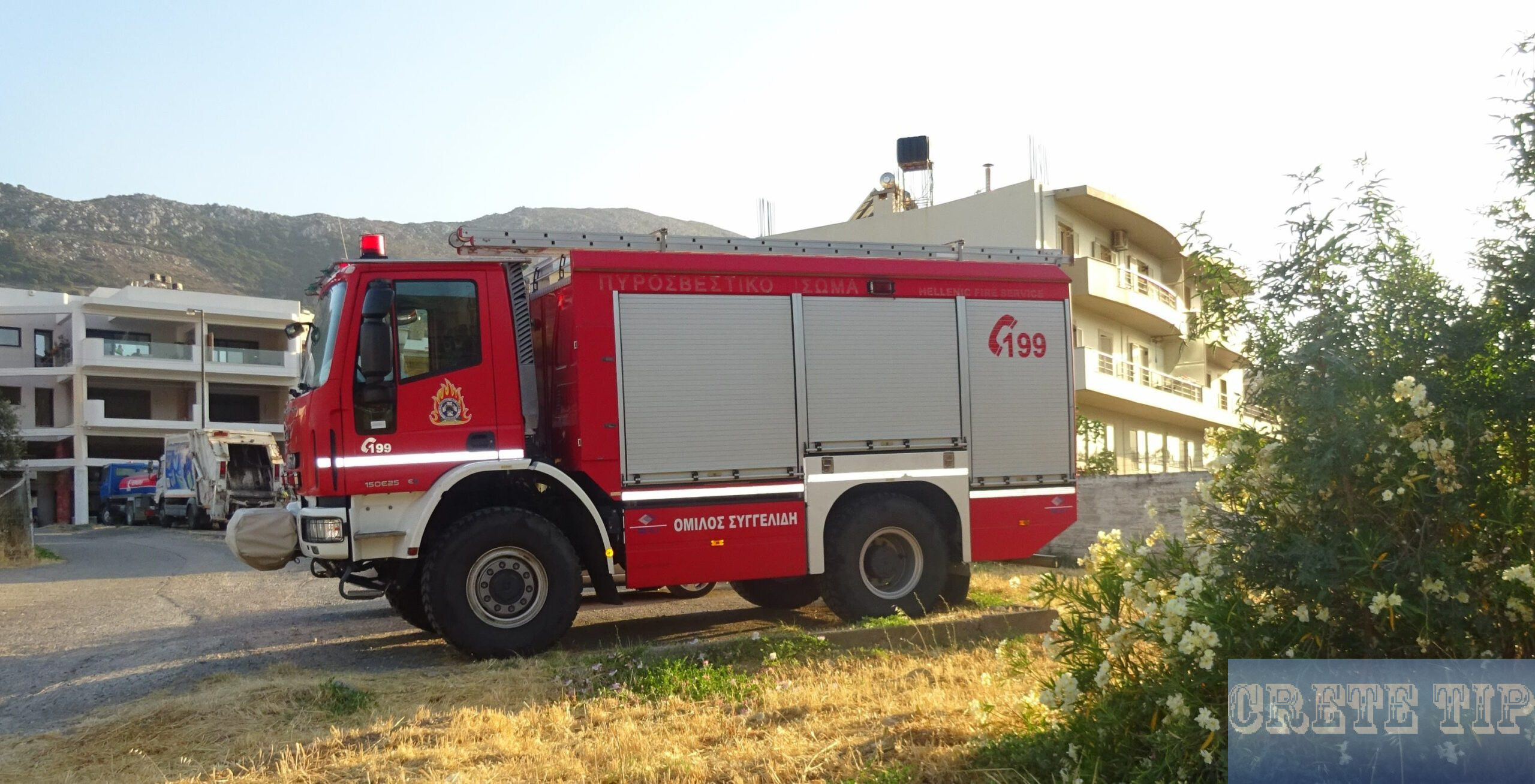
One week ago, on May 1st, Greece officially entered its fire season—and authorities are making it clear that this year will be different. With enhanced patrols, strict enforcement, and zero tolerance for violations, the country’s fire service is adopting an aggressive new doctrine aimed at prevention, prosecution, and protection.
A Season of High Alert
The official start of the 2026 Fire Prevention Period (which runs through October 31) has triggered a nationwide shift into heightened readiness. The Fire Service, Local Authorities, and volunteer teams are now operating under increased alert status across all regions.
The strategy is multifaceted:
Enhanced Patrols in High-Risk Areas: Firefighting units have begun intensified patrols targeting zones identified as most vulnerable to wildfires. These are not routine patrols—they’re part of a deliberate operational plan to detect and respond to incidents immediately.
Real-Time Risk Mapping: Since April 30th, the General Secretariat of Civil Protection has been issuing a daily Fire Hazard Risk Map, updated every single day through October 31st. This tool classifies risk across five categories:
– Green (Category 1): Low Risk
– Blue (Category 2): Moderate Risk
– Yellow (Category 3): High Risk
– Orange (Category 4): Very High Risk
– Red (Category 5): Emergency Alert Status
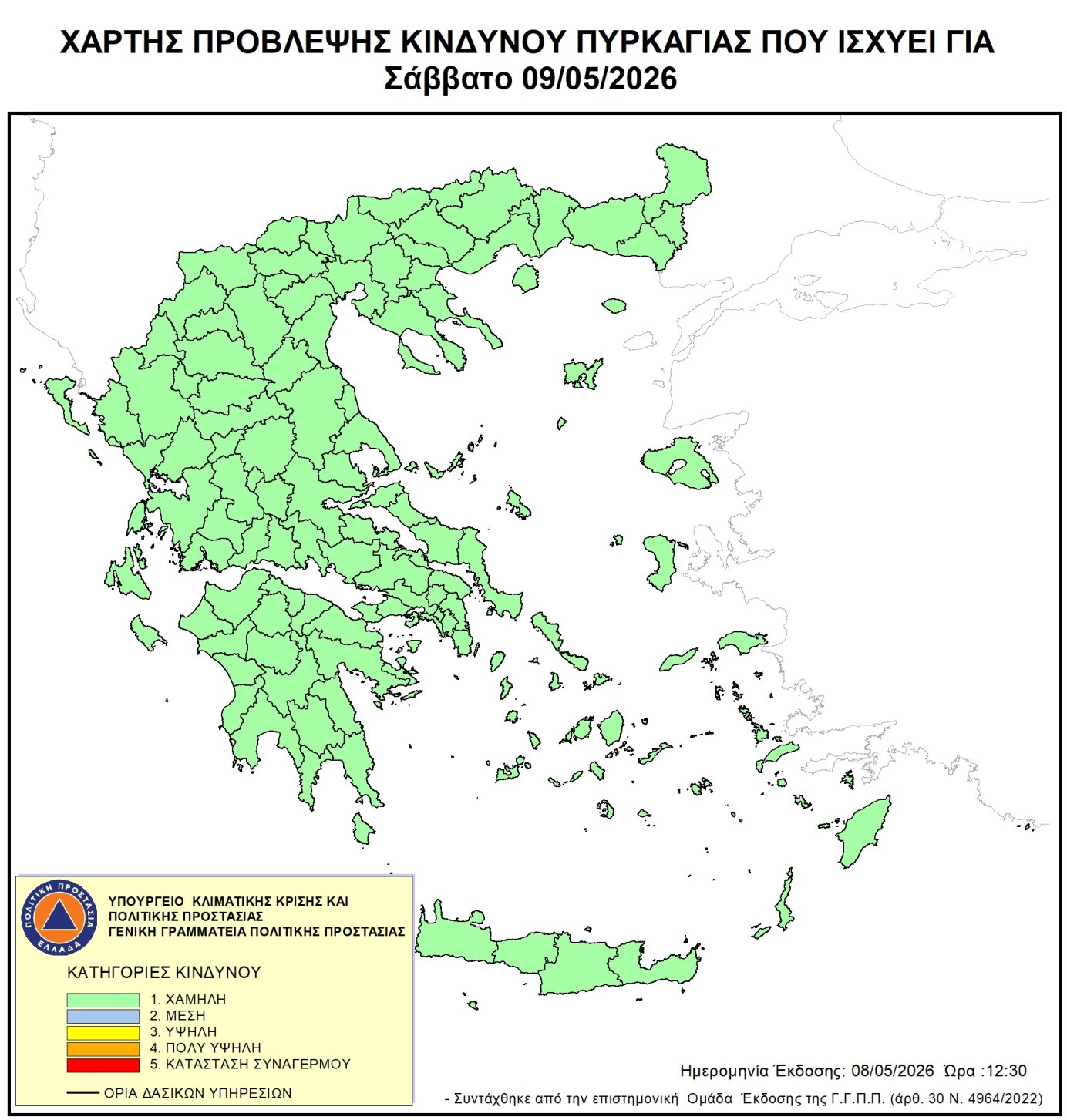
Citizens and authorities can now access real-time risk assessments for their region, allowing for proactive decision-making.
This Year’s Doctrine: “Zero Tolerance”
The Fire Service has adopted what officials are calling a “Year of the Arsonist” approach—modeled after the successful traffic enforcement campaign conducted by the Chania Traffic Police over the past 18 months.
Stavros Kalogiannakis, Director of the Chania Fire Service, was unambiguous during a recent press conference: “The Traffic Police had tremendous success in reducing traffic violations by increasing inspections, imposing fines, and communicating clearly. We will do the same. We will find the arsonist and bring him to justice.”
The parallel is telling. Just as the traffic campaign increased checkpoints and penalties to change driver behavior, the fire service is now rolling out:
– Intensive inspection safaris across municipalities
– Administrative fines for violations
– Criminal prosecutions for arsonists
– Dossier building against repeat offenders
Mandatory Land Clearance—No Exceptions
As of May 1st, property owners are legally obligated to clear their plots of dry vegetation and accumulated biomass. This is no longer a suggestion; it’s a legally enforceable requirement.
Critically, there are no exceptions and no extensions for burning agricultural residue. The old practice of burning fields to clear them is now effectively banned—year-round. Property owners must use alternative methods: composting, chipping, removal services, or mechanical processing.
Georgos Tsapakos, Deputy Governor of Civil Protection in Crete, stressed the gravity of the situation: “We must not allow dangerous hotspots to develop. This responsibility falls on everyone.”
Failure to comply results in fines and administrative sanctions issued by the Fire Service.
The Real Challenge: Changing Cultural Attitudes
One of the most significant obstacles facing authorities is changing entrenched cultural practices, particularly among older generations.
“We have a major problem with grandfathers who have an old mentality—they collect dry grass and set it on fire,” Kalogiannakis noted candidly. “In my opinion, burning should be banned permanently, in winter and summer alike.”
Beyond negligence, authorities also identified several other sources of fire risk:
– Arson for profit: Insurance fraud and land disputes
– Revenge fires: Intentionally set by individuals with grievances
– Pastoral burning: Shepherds using fire to manage grazing land (the controversial “pasture fires”)
– Accidental fires: Unattended cooking, outdoor work with open flames
A Difficult Summer Ahead
Meteorological assessments suggest the 2026 fire season will be particularly demanding. Crete’s vegetation is unusually dense this year, significantly increasing the risk of rapid fire spread during peak summer months.
Combined with the expected heat waves and low humidity, conditions are shaping up to be ideal for major incidents—unless prevention efforts succeed.
What Residents Must Know
✓ Clear your property now – No delays, no extensions
✓ Do not burn anything – Use alternative disposal methods
✓ Monitor the daily risk map – Adjust outdoor activities on high-risk days (Orange & Red alerts)
✓ Report violations – Illegal burning or inadequate property maintenance should be reported to local authorities
✓ Expect inspections – Fire service teams will conduct spot checks throughout the season
Staffing and Resources
The Fire Service of Chania reports it is adequately staffed, with 60 permanent personnel and 20 seasonal workers (now working 8 months instead of the previous 6). New equipment arrived this year, including:
– 8 personnel transport vehicles
– 4 water tanker vehicles
– 2 helicopters available from early June (an Augusta Bell carrying 2.5 tons of water and a Kamov carrying 5 tons)
The Erikson heavy-lift aircraft will be stationed in Kalamata for national coverage.
The Bottom Line
This fire season is different. Authorities have the tools, the staffing, and—critically—the political will to enforce regulations. The message from fire chiefs, civil protection officials, and local authorities is consistent and uncompromising:
Prevention is everyone’s responsibility. Violations will be prosecuted. Arsonists will be found and prosecuted. The time for warnings has passed.
The orange skies of summer need not be dominated by smoke. That outcome depends on what happens—or doesn’t happen—in the next few weeks, as Greeks are called upon to clear their land and change habits that have persisted for generations.
For the daily Fire Hazard Risk Map and real-time updates, visit Civil Protection Greece.
Sources:



