

Newsflash from Wednesday, 18 February 2026:
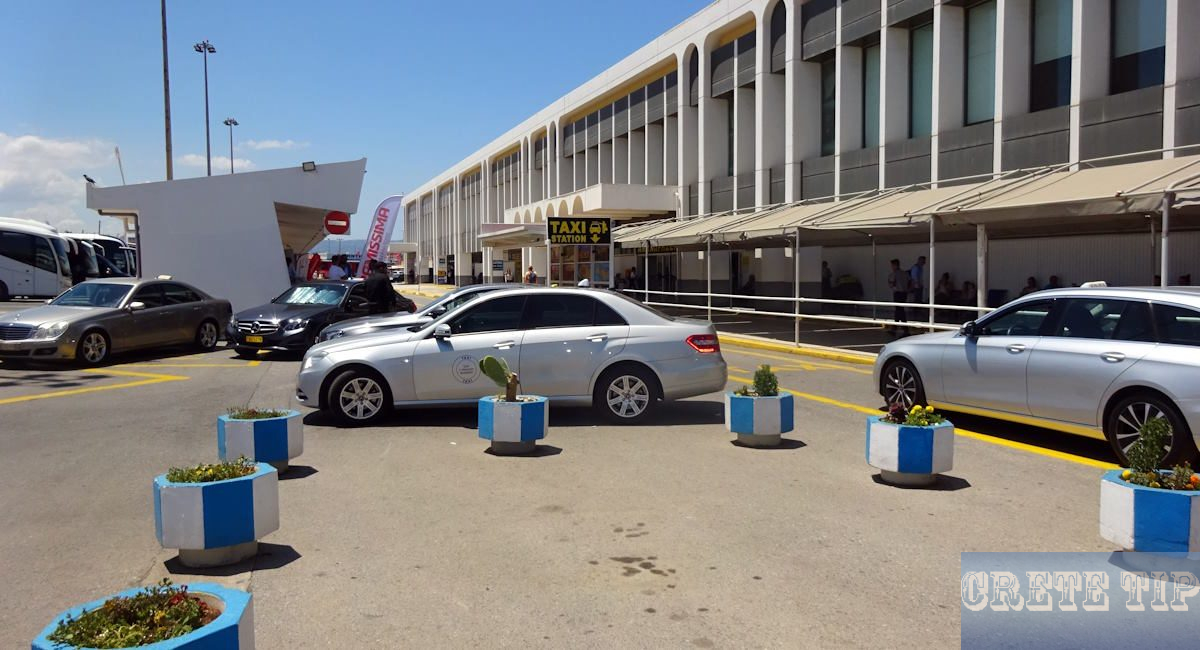
Travelers arriving at Heraklion International Airport this week may face significant disruptions as local taxi drivers have officially launched a 48-hour warning strike.
Starting at 9:30 AM on Wednesday, taxi owners and drivers gathered at the airport to protest a controversial new bill from the Ministry of Transport. The strike marks a significant escalation in the industry’s fight against proposed regulatory changes.
Why are Taxi Drivers Protesting?
The core of the dispute lies with Article 52 of a new bill currently under public consultation. According to the Heraklion Taxi Owners’ Association, this article effectively equates traditional taxi services with private hire vehicles (EIX) driven by private individuals.
The drivers argue that this change:
* Threatens their livelihood: By blurring the lines between professional taxis and private vehicles, drivers fear a loss of business to multinational platforms and private car services.
* Lacks Oversight: Protesters claim the bill reduces necessary controls and creates “distortions” in the market rather than solving long-standing industry issues.
* Favors Large Interests: The association believes the legislation is designed to benefit specific business interests at the expense of local professionals.

Impact at Heraklion Airport
The protest at the airport is a strategic move to send a clear message to the government. While the gathering serves as a demonstration of unity, it also means that taxi availability at Crete’s busiest gateway will be severely limited during the 48-hour period.
Drivers have stated that this is a “warning” strike, and they will be meeting during the mobilization to discuss further actions if the government does not withdraw Article 52.
Advice for Travelers
If you are traveling to or from Heraklion over the next two days, consider the following:
1. Arrange Alternative Transport: Look into public buses (KTEL) or private transfer services booked in advance.
2. Check with Your Hotel: Many hotels offer shuttle services that may not be affected by the taxi strike.
3. Allow Extra Time: Expect delays around the airport area due to the protest gatherings.
The Heraklion taxi industry remains firm: they are demanding the immediate withdrawal of the controversial article to ensure the sustainability of their profession.
Highway Protest: Why Crete’s Tourist Drivers Are Taking to the BOAK

The Northern Road Axis of Crete (BOAK) saw a different kind of traffic this Wednesday morning. Professional drivers of tourist vans and private hire vehicles (EIX) launched a coordinated protest, lining the highway to demand an end to what they call “unfair treatment” of the island’s tourism sector.
Starting at 9:00 AM, a convoy of vehicles set off from Heraklion International Airport, heading toward the old KTEO area. The drivers staged a symbolic demonstration by parking in the Emergency Lane (LEA) to voice their grievances against a new legislative framework currently under public consultation.
The Core Issue: A “Two-Tier” System
The protest centers on Article 52 of a proposed bill. Drivers argue that the current regulations create a massive competitive disadvantage for Crete compared to other Greek islands.
The disparity is significant:
* Other Greek Islands: Private hire vehicles with a driver can operate with a minimum fee of €36 and a minimum contract duration of 30 minutes.
* Crete: Drivers are forced to charge a minimum of €82 with a minimum contract duration of three hours.
Protesters argue that excluding Crete from the “island status” applied elsewhere in Greece creates a climate of unfair competition. They contend that while Crete is one of the country’s premier destinations—especially with the upcoming Kastelli Airport—the current laws stifle their ability to provide flexible, high-quality services to visitors.
Demands for Equality
The organizers of the mobilization emphasize that their intervention is a peaceful, institutional effort to inform both the public and the government. Their primary goal is simple: Regulatory Equality.
The industry is calling for:
1. The inclusion of Crete in the same regulatory framework as the rest of the Greek islands.
2. The reduction of the minimum fee to €36.
3. The reduction of the minimum contract duration to 30 minutes.
Impact on Tourism
Professional tourist drivers operate exclusively through pre-bookings, serving as a vital link in the island’s tourism infrastructure. By forcing higher prices and longer minimum bookings on Crete, professionals argue that the state is effectively making the island a more expensive and less convenient destination for travelers who prefer private transfers over traditional taxis or public transport.
“We are asking for the obvious—to be treated the same as a driver in Rhodes, Corfu, or Mykonos,” one participant noted.
What’s Next?
As the bill remains under consultation, the professional drivers’ associations in Crete are looking for a formal response from the Ministry of Tourism. They maintain that for Crete to remain a competitive global destination, its transport laws must reflect the modern needs of its visitors.



