

Newsflash from Friday, 20 March 2026:
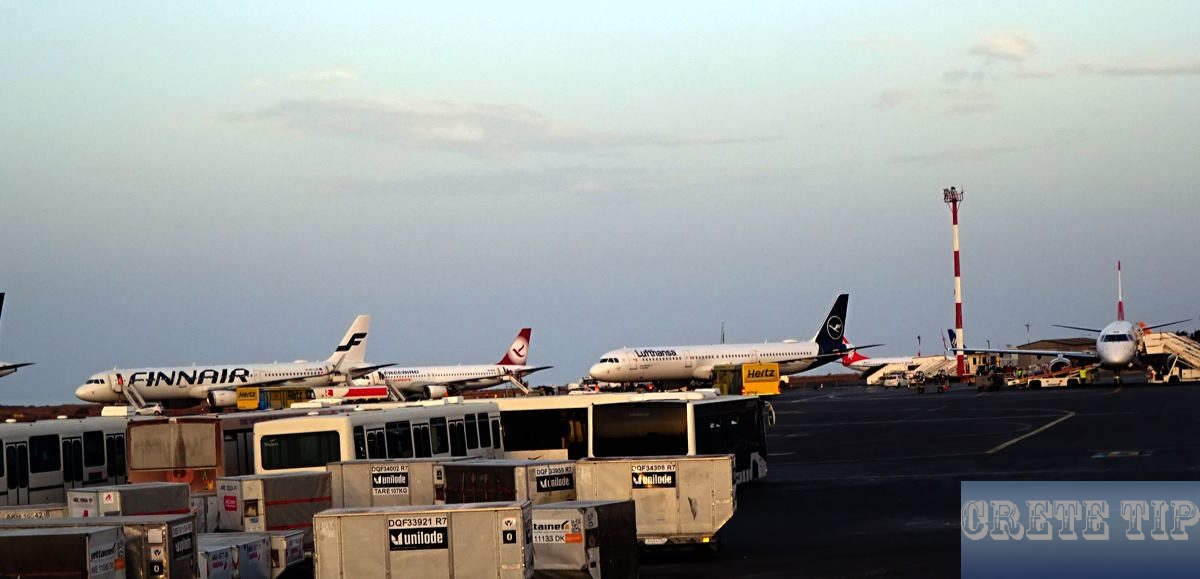
Travelers planning spring and summer getaways should brace for sticker shock. As of March 20, 2026, airlines and ferry operators across Europe are announcing significant price increases on tickets and fares, with some hikes reaching as high as 110% for jet fuel costs. The culprit? Skyrocketing energy prices triggered by geopolitical tensions in the Middle East.
The Fuel Crisis Behind the Price Surge
The transportation industry is facing an unprecedented energy crisis. Due to the ongoing conflict in Iran, fuel prices have reached alarming levels:
For Airlines:
* Jet fuel (kerosene) has more than doubled, jumping from approximately $800 to $1,700 per ton — a stunning +110% increase
* Crude oil has risen 50% in price
* Under normal circumstances, fuel represents about 22% of an airline’s total operating costs, but some carriers are now seeing this figure spike dramatically
For Ferry Operators:
* Marine Gas Oil (MGO) has surged from €570 per ton (late 2025) to over €1,150 per ton — a +100% increase
* Fuel costs typically account for approximately 50% of maritime shipping’s operational expenses, making ferries particularly vulnerable to energy price shocks
For Road Transport:
* Diesel fuel has recorded the steepest percentage increase among all liquid fuels, with a +20% jump in just a few weeks
How Much Will Your Ticket Cost?
Major European carriers are already implementing or announcing fare increases:
Airlines Raising Prices:
* Aegean Airlines (Greece’s flagship carrier) is implementing fare increases of 7-8% for new bookings
* Lufthansa has already announced price hikes
* Air France-KLM is following suit
* Ryanair (Europe’s largest low-cost carrier) is raising fares
* SAS (Scandinavian Airlines) has also announced increases
Specific Examples:
The route between Thessaloniki and Athens—Greece’s busiest domestic corridor—has seen a dramatic shift:
* Previous cost: ~€1,200
* New cost: ~€1,350
* Increase: 12.5% in just weeks
Road transport companies are quoting increases of 10-20% for freight and passenger services.
Why Aegean Airlines Isn’t Hit as Hard (Yet)
Interestingly, Aegean Airlines is managing to keep its price increases relatively modest at 7-8%. The reason? Strategic hedging of fuel costs.
According to Aegean’s management, the airline has secured 60% of its monthly fuel needs through advance fuel purchases (hedging agreements). This means the airline is only exposed to the full impact of fuel price increases on the remaining 40% of its fuel consumption—substantially limiting the damage to its bottom line and, consequently, its customers’ wallets.
However, this protection is temporary. As hedging contracts expire, Aegean and other carriers will face the full brunt of the energy crisis.
Some Relief for Existing Ticket Holders
Not all travelers are affected equally. Aegean Airlines has announced that:
* 3.6 million passengers who have already purchased tickets remain unaffected by the price increases
* Tens of thousands of Aegean Pass holders (subscription-based frequent flyer packages) are also protected from immediate hikes
* For the next two weeks, the airline is offering a special promotion: customers can purchase Aegean Pass packages at pre-crisis prices before the new rates take effect
The Broader Economic Threat
Beyond the immediate inconvenience of higher ticket prices, industry experts warn that these increases could trigger broader inflationary pressures. As transportation costs rise, the entire supply chain becomes more expensive:
* Food companies have already begun receiving invoices with 10-20% surcharges from logistics providers
* Maritime shipping companies are considering price hikes due to the doubling of fuel costs
* Consumer goods will likely see price increases as transportation costs are passed down
What Should Travelers Do?
If you’re planning a spring or summer trip, consider these strategies:
1. Book Now: Lock in current prices before the next round of increases
2. Look for Package Deals: Airlines may offer bundled discounts to offset fuel surcharges
3. Consider Alternative Transport: Train travel might become more attractive relative to flying
4. Check Loyalty Programs: Frequent flyer miles and pass subscriptions may offer better value
5. Monitor Announcements: Keep an eye on carrier websites for limited-time promotional fares
The Silver Lining (Sort of)
While price increases are inevitable, the transportation industry’s transparency about the reasons behind them may help consumers understand that these aren’t arbitrary profit grabs. Airlines and ferry operators are being squeezed by genuinely unprecedented fuel costs, and many are trying to absorb as much of the increase as possible to remain competitive.
Still, for budget-conscious travelers, this is a wake-up call: the age of cheap European travel may be temporarily over.
Have you noticed price increases on your favorite routes? Share your experiences in the comments below—and let us know if you’re adjusting your travel plans because of the new fares.



