

Newsflash from Monday, 20 July 2026:
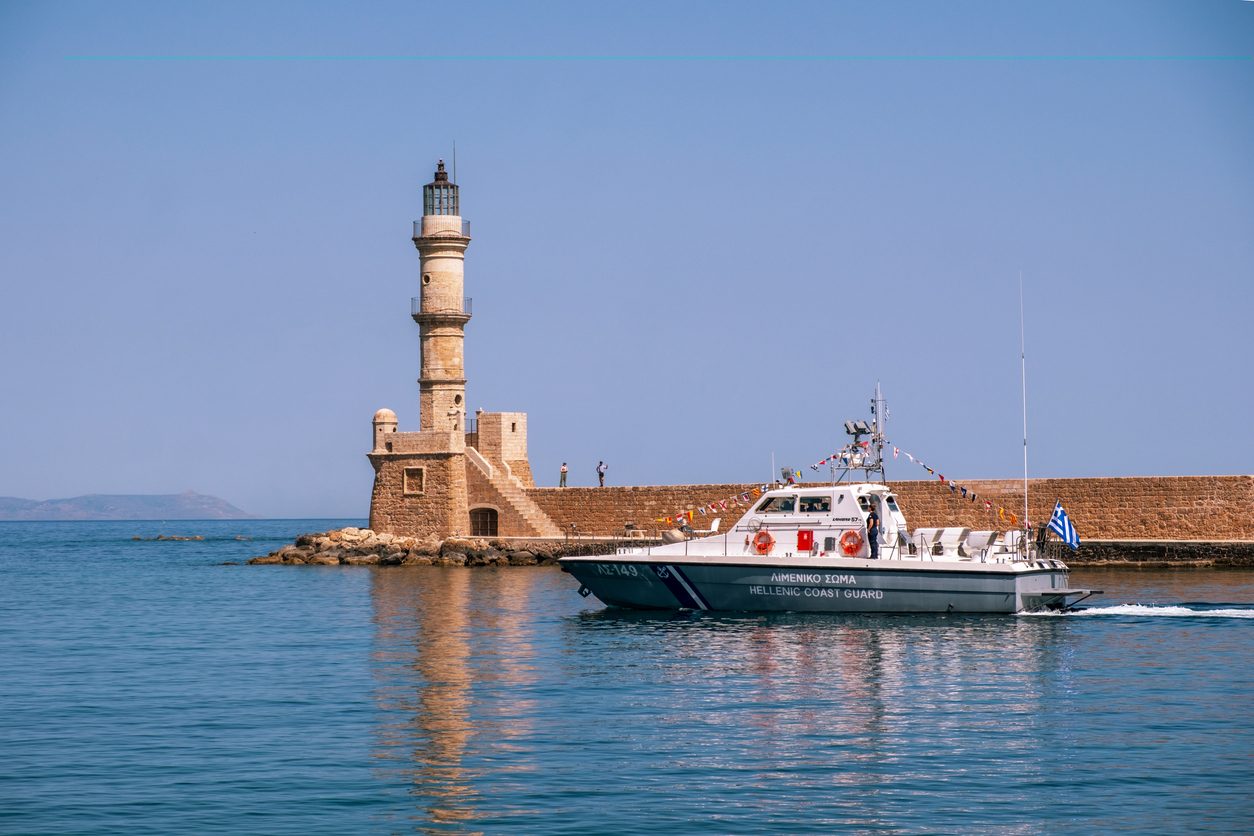
Rescue services in Greece are free for those in genuine danger — that’s the principle. But when recklessness, negligence, or willful disregard for warnings leads to a costly mobilization of state resources, authorities are increasingly holding individuals accountable through hefty bills and fines.
A detailed cost breakdown reveals just how expensive it is to launch a modern search and rescue operation — and why the government is cracking down on frivolous calls.
The Real Cost of Rescue: Breaking Down the Numbers
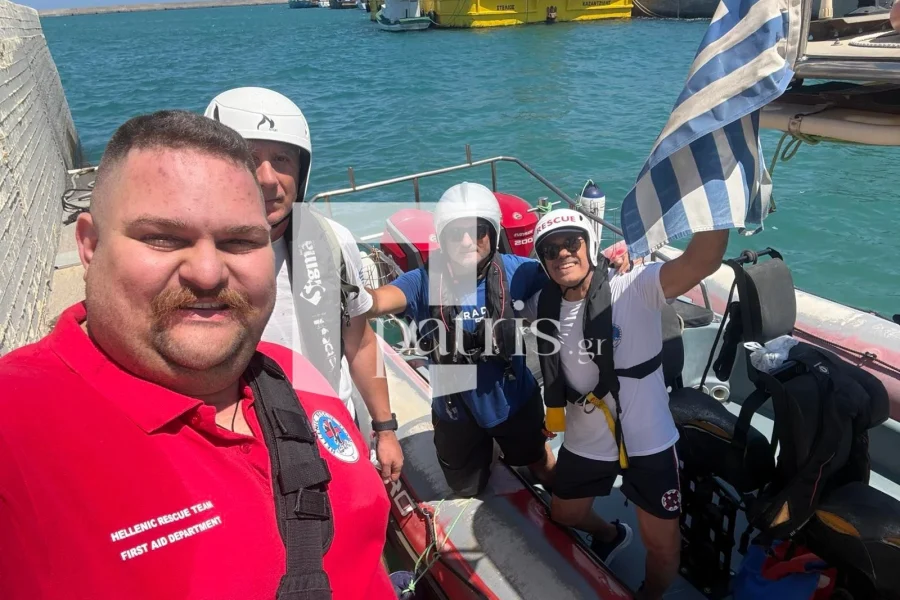
According to the Hellenic Coast Guard’s official costing tables, here’s what it takes to save a life at sea:
Marine Vessels
- Class A-I Patrol Boat (open sea): €2,158 per hour
- Open Sea Vessel (P.A.Θ.): €3,721 per hour
- Class A-II Coastal Patrol Boat: €845 per hour
- Rescue Boat: €852 per hour
Air Assets — The Most Expensive Option
- Twin-Engine Helicopter: €4,850 per hour
- Twin-Engine Aircraft: €3,560 per hour
Personnel Costs
- Coast Guard Personnel: €9.07 per person per hour
- Rescue Specialists/Divers: €11.65 per person per hour
- Fire Service Personnel: €13 per person per hour
These figures demonstrate the enormous financial burden placed on the state for every single rescue operation — costs that multiply rapidly when large teams, multiple vessels, or aerial support are deployed.
When Does Rescue Become “Reckless Mobilization”?
Greek law makes a crucial distinction:
- Legitimate rescues: Free of charge when genuine danger exists
- Unnecessary mobilizations: Can result in hefty fines and penalties when caused by negligence, ignored warnings, or deliberate disregard for safety guidelines
The legal framework allows authorities to charge the responsible party on a case-by-case basis when:
- Clear warnings were issued and ignored
- Dangerous activities were undertaken despite weather alerts
- Reckless behavior put rescuers themselves at risk
Cautionary Tales: The Fines That Made Headlines
Several high-profile cases have illustrated the government’s willingness to enforce these rules:
The €73,000 Wild Goose Chase (March 2025)
Authorities launched a 24-hour sea search for a missing person, mobilizing massive resources across multiple departments. The catch? The individual was found safe in a bar in Patras — not lost at sea.
The responsible party was hit with a €73,000 bill, calculated based on the actual operational costs of the search.
Trekking in Dangerous Conditions (Crete)
A group of Dutch tourists ignored extreme heat warnings and a hiking prohibition on the E4 Trail between Sougia and Yialiskari in Crete. When they needed rescue, the Fire Service issued a €300 fine.
Capsized Boat Incident (Southern Crete)
A 45-year-old boat operator deliberately ignored strong wind warnings and capsized, putting both himself and his 39-year-old German companion in danger. He faced significant fines for the unnecessary risk and costly rescue operation.
Samaria Gorge During Heatwave (Multiple Incidents)
Two Greco-Canadian hikers crossed the famous Samaria Gorge during a heat warning and restriction period, forcing emergency responders to intervene. They received €300 fines each for ignoring safety directives.

The Government’s Message: Prevention Over Rescue
A joint ministerial directive has intensified efforts to crack down on unsafe behavior involving maritime recreation vessels during poor weather conditions.
The aim is clear: make people think twice before ignoring safety warnings.
Officials emphasize that:
- Rescuers risk their own lives when responding to preventable emergencies
- Resources diverted to reckless incidents are unavailable for genuine emergencies
- Every unnecessary rescue operation depletes the state budget
The Bottom Line
Rescue is a fundamental right for those in genuine peril — and Greece’s emergency services are world-class at delivering it. But with the true costs now laid bare, it’s clear that personal responsibility and adherence to safety warnings aren’t just good sense — they’re increasingly a legal obligation.
Ignoring that message could prove very expensive.
Source:
Patris.gr



