

Despite heavy rainfall, there has been only a slight rise in water levels in the Aposelemi reservoir. The lake has shrunk in recent years and soil moisture in Crete continues to decline.
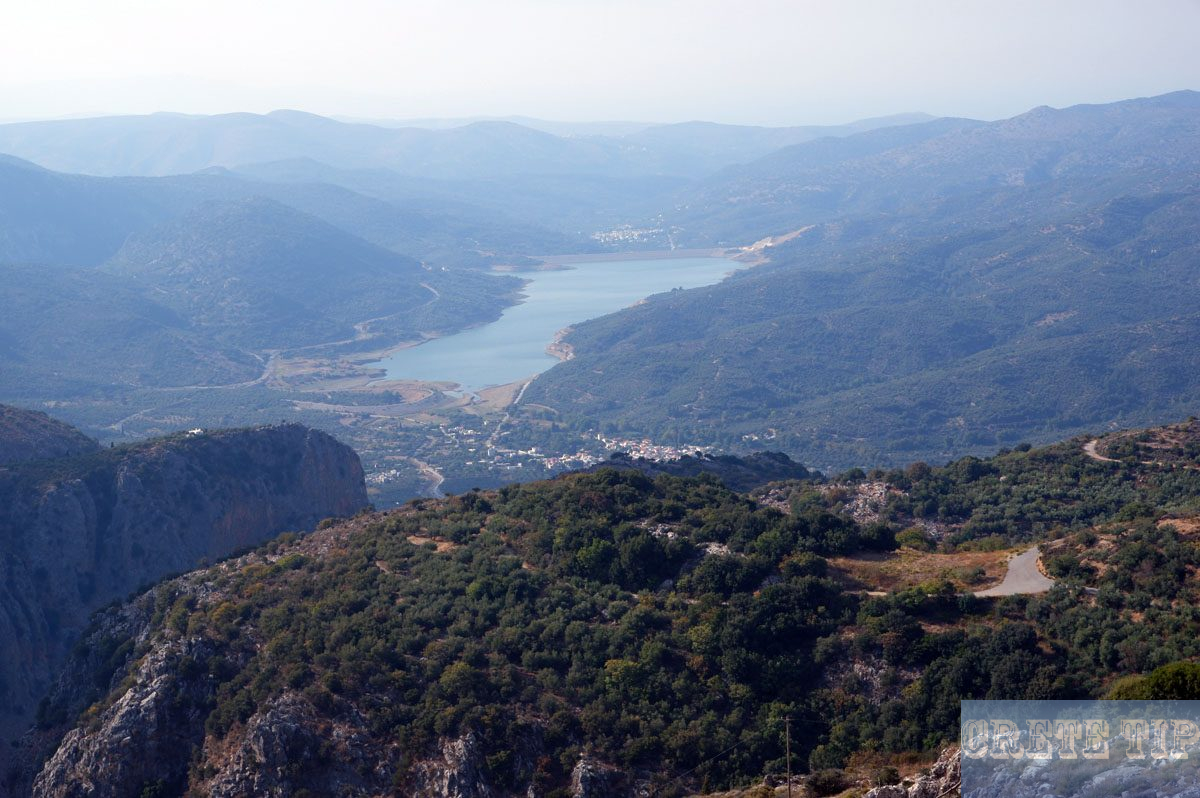
Despite Heavy Rains, Aposelemi Dam Sees Only a Modest Water Boost
Rain fell, snow melted—but the reservoir’s gains were little more than a drop in the ocean.
Despite days of intense and widespread rainy weather across Crete, the Aposelemi Dam recorded only a very small increase in its water reserves, highlighting once again the severity of the region’s ongoing water challenge.
According to available data, the latest spell of bad weather contributed just 35,000 cubic meters of water to the Aposelemi reservoir. While any increase is technically positive, this volume is considered negligible compared to the dam’s real needs and the demands of the wider area it serves. In practical terms, the inflow amounted to little more than a symbolic improvement rather than a meaningful recovery.
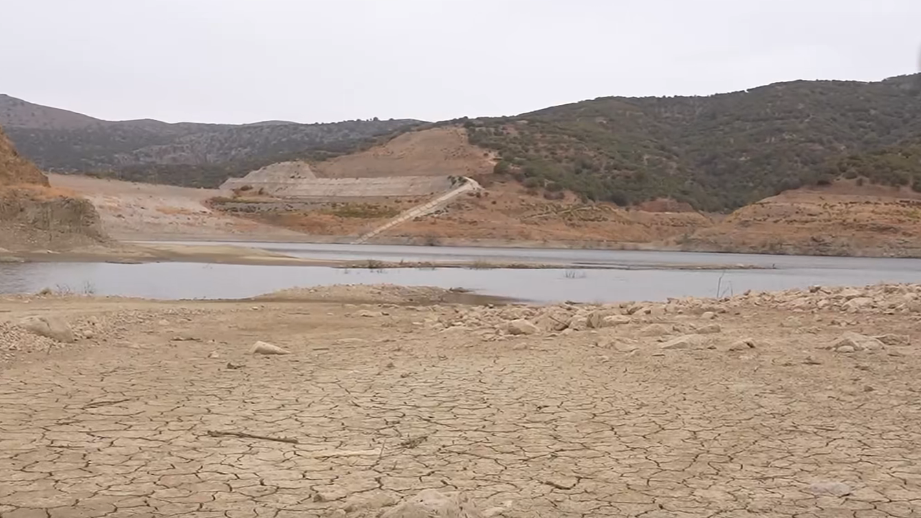
The situation underlines the complex and fragile nature of the Aposelemi hydrological system. Although rainfall and snowfall were intense in several parts of Crete, they did not occur under the specific conditions required to significantly boost inflows to the dam. Snowfall on the Lasithi Plateau, for example, has already melted to a large extent, yet failed to translate into substantial replenishment of water reserves.
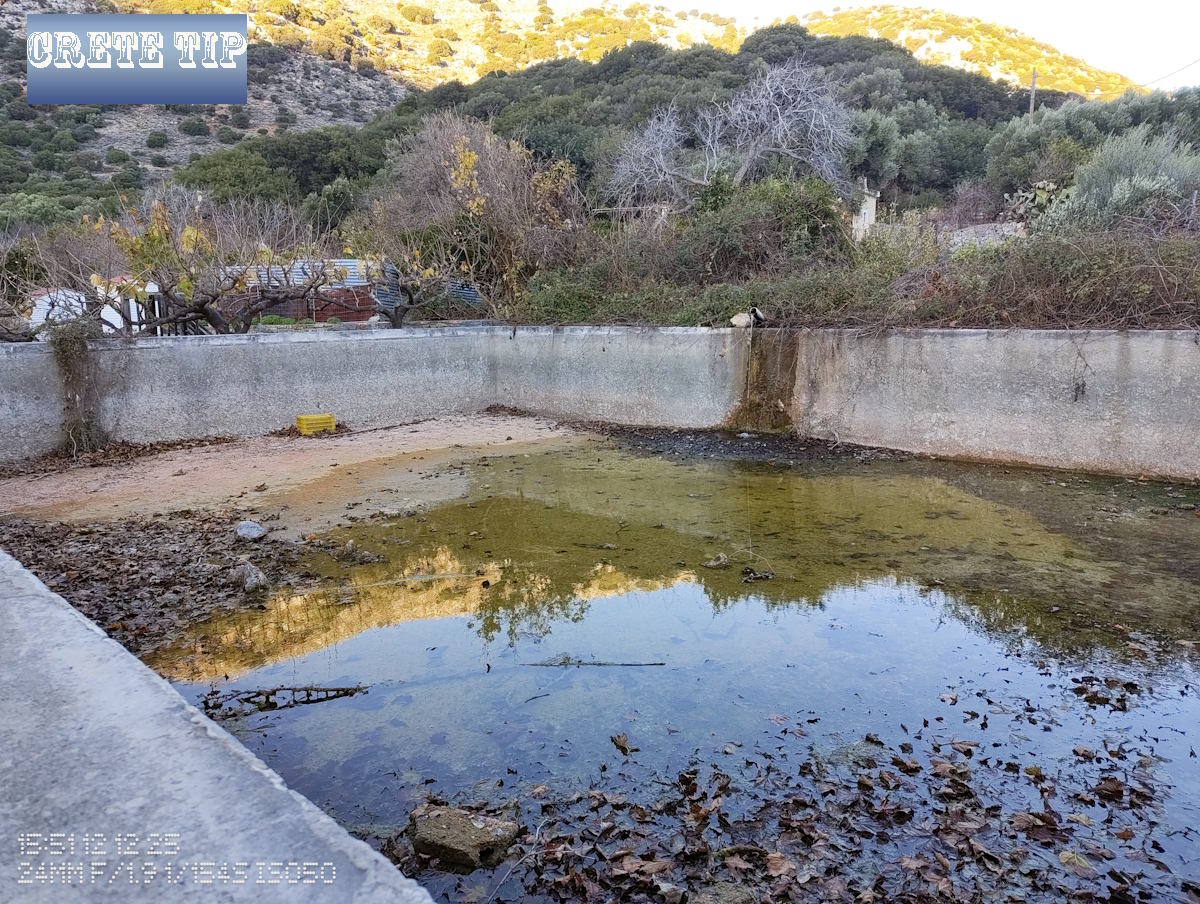
A telling indicator of the problem is the current state of the Havga reservoir, which remains almost empty. At the same time, groundwater wells across the broader Lasithi area are at particularly low levels. Both the Lasithi Plateau aquifer and the Havga reservoir play a critical role in feeding the Aposelemi Dam.

Experts point out that the dam’s main “lifeline” is not ordinary rainfall, but the diversion of floodwaters from the Lasithi Plateau through the Havga stream. For this mechanism to activate, the area must first become fully saturated with water. Only then can excess water flow as flood runoff toward the reservoir.
This process requires rainfall of high intensity and long duration, strong enough to generate flooding conditions on the plateau—something that, despite recent bad weather, did not occur this time.
The disappointing outcome serves as a reminder that isolated weather events, even when intense, are not enough to solve Crete’s water scarcity issues. Without sustained and strategically beneficial rainfall, the Aposelemi Dam will continue to struggle to rebuild its reserves, keeping water management firmly at the top of the region’s priorities.
Vanishing Waters: How the Aposelemi Reservoir Has Melted Away in Just a Few Years

Once a vital and reliable water reserve for northern Crete, the Aposelemi Reservoir is now offering a stark visual reminder of the region’s growing water crisis. New satellite data reveal just how dramatically the artificial lake has shrunk over recent years, raising serious concerns about water security and long-term sustainability.
According to analyses by the METEO unit of the National Observatory of Athens, based on images from the European Sentinel‑2 satellite, the surface area of the Aposelemi reservoir has been steadily declining over five consecutive years. The findings compare water coverage in January of 2022, 2023, 2024, 2025, and 2026—and the trend is unmistakable.

In January 2022, the reservoir’s water covered roughly 1 square kilometer, already well below its normal surface area of about 1.9 square kilometers. Since then, the decline has accelerated. By mid‑January 2026, the water surface had shrunk to just 0.27 square kilometers, or 270 hectares, representing only 14% of the reservoir’s normal capacity by surface area.
The images show a lake that has quite literally “melted away,” exposing vast stretches of dry land where water once stood. This contraction is not merely seasonal but reflects a persistent imbalance between water inflows and demand. Reduced rainfall, prolonged dry periods, and increased pressure on water resources have all contributed to the reservoir’s gradual depletion.
What makes the situation particularly worrying is that even recent episodes of rainy weather have failed to reverse the trend in any meaningful way. Without sustained and well‑distributed rainfall—especially in the areas that feed the reservoir—the Aposelemi Dam struggles to recover.
The shrinking of the Aposelemi Reservoir is more than an environmental issue; it is a warning sign. The dam supplies water to large parts of northern Crete, including urban centers and tourist areas. Continued decline places households, agriculture, and the local economy under increasing strain.
As satellite images continue to track the reservoir’s condition, they tell a clear story: without smarter water management, long‑term planning, and favorable climatic conditions, one of Crete’s most important artificial lakes risks becoming a shadow of its former self.
Rain Without Relief: Why Soil Moisture in Crete Is Still Falling
Despite recent episodes of rainfall, Crete is entering 2026 with clear signs of water stress, as soil moisture levels across the island continue to decline—even in the heart of winter, a season traditionally critical for replenishing water reserves.
According to an analysis by the METEO group of the National Observatory of Athens, data up to January 10, 2026 show a noticeable reduction in soil moisture in both shallow and deeper layers of the ground. The findings highlight how higher‑than‑normal temperatures, combined with limited and poorly distributed rainfall, are undermining the island’s natural ability to store water.
What the data show
The analysis is based on soil moisture data from the Copernicus Climate Change Service, using the Soil Moisture Index (SSMI), which compares current conditions with long‑term averages from the 1991–2020 reference period. Negative SSMI values indicate drought conditions, ranging from mild to extreme.
– Surface soil layer (7–28 cm):
This layer reacts quickly to recent weather. In Crete, despite rainfall events in late December, unusually warm conditions led to increased evaporation, resulting in a clear drop in soil moisture. Parts of the island are now classified under mild to significant drought conditions.
– Deeper soil layer (28–100 cm):
Even more concerning is the decline in deeper soil moisture, which reflects conditions over several months and is critical for long‑term water availability and crop resilience. The data show that Crete, along with much of the Aegean, remains under persistent drought stress at these depths.

Drought values in Greece on 10 January 2026 in subsoil layers of 7–28 cm (left) and 28–100 cm (right). Areas experiencing relative drought are coloured according to the 5-point scale at the top right of the map. Areas where soil moisture is significantly above the seasonal normal are shown in green, while areas with soil moisture close to the average are shown in white.
A worrying winter trend
Winter is traditionally the period when soils act as a natural “water reservoir” for the months ahead. The current situation suggests that this process is failing. Warmer winters, reduced rainfall, and increased evapotranspiration are preventing water from penetrating and remaining in the soil.
This trend has direct implications for agriculture, as prolonged low soil moisture leads to sustained water stress for crops, and indirectly affects groundwater recharge and overall water balance on the island.
A sign of a changing climate
The declining soil moisture in Crete, despite rain, underscores the growing impact of climate change in the eastern Mediterranean. It is not just the amount of rainfall that matters, but its timing, intensity, and the temperatures that accompany it.
As 2026 begins, the data serve as a clear warning: without adaptation in water management and farming practices, Crete’s vulnerability to drought is likely to intensify, even during seasons once considered reliably wet.



