

The extension of the season is mainly due to improved flight connections, not hotel capacity. Record numbers at Nikos Kazantzakis Airport in Heraklion and the dispute over money.

In 2025, several popular Greek destinations are seeing their tourist seasons stretch into November. You can spot the trend in the uptick in flight options and hotel bookings later in the year.
The growing number of airlines scheduling flights deeper into autumn shows a real push to keep tourism going past the usual summer rush.
Key regions like Crete, Rhodes, Kos, and Corfu are right at the heart of this change. Tour operators and hotel groups are clearly trying to keep visitor numbers up during what used to be the quieter shoulder season.
International flights to Greece are sticking around longer into the year, hinting at a bigger shift toward year-round tourism.
Key Takeways
- Flight schedules are expanding to support tourism into the late autumn months.
- Key island destinations are leading efforts to attract visitors beyond summer.
- Collaboration among airlines and hospitality sectors is strengthening the extended season.
Season Extension Depends More on Connectivity Than Hotels

What’s really driving the longer tourist season in Greece? It’s all about better air connections, not just more hotel beds. Airlines are stepping up, offering more flights to the places people want to go.
Some of the biggest airlines now fly to Crete, Rhodes, and Kos well into November. That means more chances for travelers to visit during the autumn months, not just in the summer.
Airlines have added thousands of extra seats to these islands. Northern Europeans, in particular, seem keen to take advantage of the longer season.
Even if some hotels start winding down after summer, these extra flights keep the flow of visitors surprisingly steady.
The following points show what’s really making the season last longer:
- Airline flight increases: More flights and seats are made available to key destinations.
- Popular island focus: Crete, Rhodes, Kos, and Corfu remain top choices for travellers.
- Extended booking periods: Airlines and tour operators push bookings deeper into autumn.
- Hotel readiness varies: Many hotels adjust capacity, but overall room availability is not the primary driver.
Factor | Impact on Season Extension |
|---|---|
Flight frequency | More flights mean easier access for travellers |
Tourist demand | Continued interest sustains seasonal travel |
Regional popularity | Islands with strong appeal receive extra support |
Hotel operation times | Hotels may close earlier, but flights extend tourism |
Hotels do get some extra bookings during this extended season, but honestly, their role feels pretty secondary. What really matters is getting people there easily and reliably.
If there weren’t enough flights, the season would just shrink, no matter how many hotel rooms sat empty. That’s just how it goes.
Other Airlines Operating Seasonal Flights
Several airlines keep flying to Greece’s hotspots even as autumn rolls in. These extended schedules help maintain those crucial international links.
EasyJet keeps flights running to Corfu from the UK and Europe. London Gatwick flights last until 18 November. Amsterdam stays connected until 15 November, but Edinburgh wraps up earlier, on 19 October.
EasyJet also keeps routes to Crete and Kos open from UK airports until the end of October. It’s a pretty clear sign there’s still demand from their main markets.
Lufthansa is big for German travelers heading to Greece outside the busy months. Their direct Munich-Kalamata flights go up to 15 November, making it easier for folks to visit the Peloponnese later in the year.
Eurowings, Lufthansa’s subsidiary, isn’t sitting out either. They run flights from Germany to Rhodes until 9 November. Berlin to Corfu ends a bit sooner, on 2 November.
Seasonal Flight Summary
Airline | Route | Final Flight Date |
|---|---|---|
EasyJet | London Gatwick – Corfu | 18 November |
EasyJet | Amsterdam – Corfu | 15 November |
EasyJet | Edinburgh – Corfu | 19 October |
EasyJet | UK Airports – Crete & Kos | End of October |
Lufthansa | Munich – Kalamata | 15 November |
Eurowings | Germany – Rhodes | 9 November |
Eurowings | Berlin – Corfu | 2 November |
With these airlines sticking around longer, travelers get more flexibility. It’s also a boost for local economies, giving everyone a bit more breathing room outside the jam-packed summer months.
Increasing Tourist Activity in the Shoulder Months Shows Clear Progress

Tourism in southern Europe—Greece especially—has picked up during late summer and early autumn. The so-called shoulder season now stretches into November for many favorite spots.
Airlines have definitely noticed. They’re extending flights to islands like Rhodes and Kos right up to the end of November. That’s a pretty clear sign that more travelers are happy to skip the summer crowds.
Destination | Flight Operations End Date | Notable Airlines |
|---|---|---|
Rhodes & Kos | End of November | Edelweiss Air |
Kalamata | 15 November | Lufthansa |
Corfu | 2 – 18 November | Eurowings, EasyJet |
Airlines like Edelweiss Air, Aegean, Lufthansa, and EasyJet keep flying into November, backing up the idea of a longer season. Some resorts—Costa Navarino in the Peloponnese, for example—stay open until mid-November, making the most of what people are calling ‘mild autumn tourism‘.
Extending the season like this helps local economies by spreading out visitor numbers. It also makes it easier to manage crowds and resources, which is honestly a relief for everyone involved.
What’s pushing this trend? Here’s what stands out:
- Airline commitments to longer schedules
- Resort operations extended to later months
- Growing tourist interest in travelling during quieter periods
- Focus on milder weather and less crowded attractions
This change is most obvious in places with good transport and lots to do, even when it’s not blazing hot.
Many in the industry want to keep this going, so you’ll see more campaigns pushing the perks of autumn travel—better prices, fewer crowds, and still-great weather. Feels like a win-win.
Aegean Airlines Operations and Routes

Aegean Airlines keeps international flights running to islands like Heraklion and Rhodes through November. They’re also extending the direct Athens-Munich service until 7 December, which is handy for early winter trips.
Within Greece, Aegean is adding three weekly flights between Thessaloniki and Kalamata during winter. It’s a smart move to keep regional connections alive when things quiet down.
Starting in October, Aegean is rolling out two new routes linking Greece and Egypt. More options for international travel can only help.
Key routes by Aegean Airlines:
Route | Operating Period | Frequency |
|---|---|---|
Athens – Munich | Until 7 December | Daily / multiple |
Heraklion (Crete) | Until end of November | Regular |
Rhodes | Until end of November | Regular |
Thessaloniki – Kalamata | Winter season | 3 flights per week |
Greece – Egypt | From October onwards | New routes |
This lineup shows Aegean’s real commitment to keeping Greece connected, both inside the country and abroad, even as the main tourist season fades out. It’s a smart way to keep things moving during the quieter months.
The Role of Connectivity in Extending the Tourist Season
Connectivity, especially by air, shapes how long the tourist season really lasts. The number of flights coming in and out directly affects how many people show up.
When airlines keep running flights during the so-called shoulder months, destinations get a steadier flow of visitors. That’s pretty important if you ask me.
Tourism always struggles with seasonality. The quieter months—October, November—could use more action.
If more people visit in those off-peak times, local businesses get a longer runway to make money. The idea is to help communities avoid putting all their eggs in the summer basket.
Some places are just better at this than others. Crete and Rhodes, for instance, have managed to stay lively late into the year.
They’re seeing continued flights and more hotel bookings in autumn. That’s good news for those chasing a calmer, less crowded vibe.
Key Benefits of Enhanced Connectivity | Details |
|---|---|
Longer Season | Increased access extends visits beyond summer. |
Economic Stability | More consistent income for local businesses. |
Reduced Overcrowding | Tourists spread out over more months, easing pressure during peak times. |
Improved Visitor Experience | Less crowded, calmer atmosphere appeals to diverse travellers. |
Air routes drive tourism flows. Without regular flights, it’s tough to convince people to visit outside peak season.
When airlines add seats or launch new routes, it sends a strong signal that a place is open for business all year. It’s a step toward more sustainable tourism, honestly.
More flights mean new markets open up, and different kinds of travelers start showing interest. Folks looking for a quieter getaway or a milder climate in autumn are more likely to book if flights are available.
Destinations that keep those connections running into the late months stand out in the global tourism game.
Crete and Rhodes Leading the Season Extension
Crete and Rhodes really are pushing the tourist season further than most. Both islands have changed up their services and infrastructure to welcome guests well past summer.
Crete’s Autumn Appeal
Crete’s got solid facilities, especially around Rethymno. A handful of big resorts stay open until late November, which says a lot about the island’s ability to keep things going when it quiets down elsewhere.
- Rethymno Resorts: Four to five major resorts operate late into November.
- Tourism Infrastructure: Hotels, transport, and local services keep running to meet tourist needs.
- Booking Trends: More reservations pop up through autumn, showing real interest in off-peak travel.
Industry folks keep saying Crete could shine in spring and autumn, not just summer. The climate helps, and there’s plenty to do.
Rhodes Extends Its Tourist Period
Rhodes is also stretching its season. Flights and hotels stay open longer these days.
- Flight Schedule: Last flight out can be as late as 28 November.
- Finnair’s Service: That final flight marks the season’s end.
- Season’s Growth: Every year, the season closes a bit later, so this isn’t just a fluke.
Cooperation Is Essential
To keep this trend going, everyone’s got to pull together:
Stakeholders | Roles for Supporting Extension |
|---|---|
Local Businesses | Keep hotels, restaurants, and shops open later |
Airports | Offer flexible fees to airlines so flights keep coming |
Government | Back new routes and improve infrastructure |
Tour Operators | Promote autumn travel to the islands |
When everyone works together, off-peak travel starts looking a lot more appealing.
- Crete’s got the infrastructure for autumn tourism.
- Rhodes pushes its season later, thanks to steady flights.
- Bookings and interest are both up after summer ends.
- Big changes need both public and private players to get on board.
These two islands show it’s possible to break out of the old summer-only mold. Others could learn a thing or two.
Airlines Investing in the Greek Winter Season
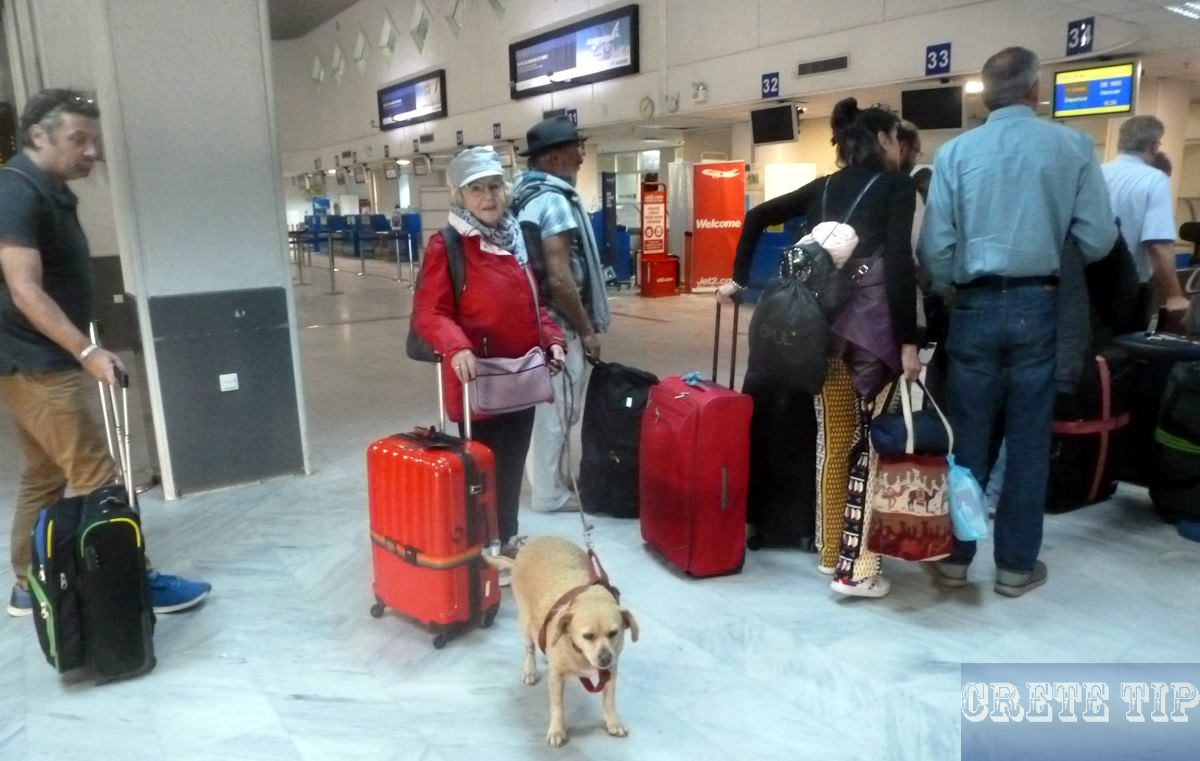
Athens International Airport keeps ramping up its international connections during winter. Seven new destinations are coming online, and earlier this year, they added nine more routes.
That’s a clear sign airlines believe Athens and Greece have year-round appeal. I mean, why else invest that much?
The main drivers here are the Greek carriers like Aegean and SKY express. Low-cost players like Wizz Air and Ryanair are jumping in too.
It’s not just talk—Athens airport is performing well, and people want to travel outside the usual summer rush.
Passenger numbers this winter should rise about 5% over last year. More flights and new destinations are following that demand.
Starting in October, Aegean’s rolling out two new routes to Egypt—Athens to Sharm El Sheikh and Luxor. That opens up more holiday options when it’s cold elsewhere.
Wizz Air’s also beefing up its schedule, flying direct from Athens to Romanian cities like Baneasa and Craiova. Plus, they’ll start service to Bratislava, which should make Central Europe more accessible.
Ryanair’s expected to add flights between Greece and Slovakia, mainly Bratislava. That fits with their habit of targeting secondary airports.
Come early 2026, Athens will see two new long-haul routes to India: Athens–New Delhi and Athens–Mumbai. Indian airlines will handle these for the first time, which is a big step for direct Greece–South Asia travel.
Airline | New Winter Routes | Type of Service |
|---|---|---|
Aegean | Athens – Sharm El Sheikh, Athens – Luxor | Full service carrier |
SKY express | Various domestic and regional flights | Greek regional focus |
Wizz Air | Athens – Baneasa, Athens – Craiova, Athens – Bratislava | Low-cost |
Ryanair | Athens – Bratislava | Low-cost |
Indian Airlines | Athens – New Delhi, Athens – Mumbai | Long-haul |
This whole expansion cements Athens as a year-round destination. Both full-service and budget carriers are getting in on the action, so there’s something for everyone.
Winter flights don’t just help Athens—they boost other parts of Greece too. Business travelers and off-season tourists both benefit.
In a world where travel’s still bouncing back, keeping up this momentum matters. Investments like these help Greece stay on the radar for international tourism.
Want more details? Check out this update on new routes for the latest airline moves in Greece.
Aegean: Strategy to Reduce Seasonality and Expand Winter Destinations

Aegean Airlines is working to soften the effects of seasonality by boosting seat availability and adding new routes during the last quarter of the year.
The airline plans to raise the number of available seats by about 9% in this period. They want to give travelers more flight options and connect more destinations across their network.
Starting in October, Aegean will launch flights to Luxor and Sharm El Sheikh in Egypt.
These new routes aim to stretch the winter schedule and keep some flights running after the usual high season. It’s a move that should strengthen the airline’s overall connectivity.
Earlier this year, Aegean expanded its summer network, making it easier to reach Greece and helping the country’s tourism stability.
Heraklion, for example, gained new connections with cities like Istanbul, Corfu, Naxos, Kos, and Rhodes.
Rhodes now links up with Istanbul, Santorini, and Chania. Thessaloniki added new flights to Syros and Izmir.
Direct flights from Mykonos and Santorini to Istanbul also started, giving travelers more ways to hop between the islands and Turkey.
Aegean currently operates more than 250 routes from hubs like Athens, Thessaloniki, Heraklion, Rhodes, and Larnaca. That’s around 150 domestic and international destinations—pretty impressive, honestly.
Geopolitical challenges in the Middle East during the second quarter forced Aegean to cancel some flights to Israel, Lebanon, and Iraq. This hit their route capacity for a while.
By mid-July, though, flights to Tel Aviv, Beirut, Amman, and Erbil came back online. The airline managed to return to normal on these routes.
Earlier in 2025, even during the usually slow first quarter, Aegean increased available seats by 9% compared to the same period in 2024. Overall capacity went up by 11%—not bad for a tricky time of year.
More details on these changes are in Aegean’s latest updates on their growing winter network.
Heraklion: The “Nikos Kazantzakis” Airport Breaks Records
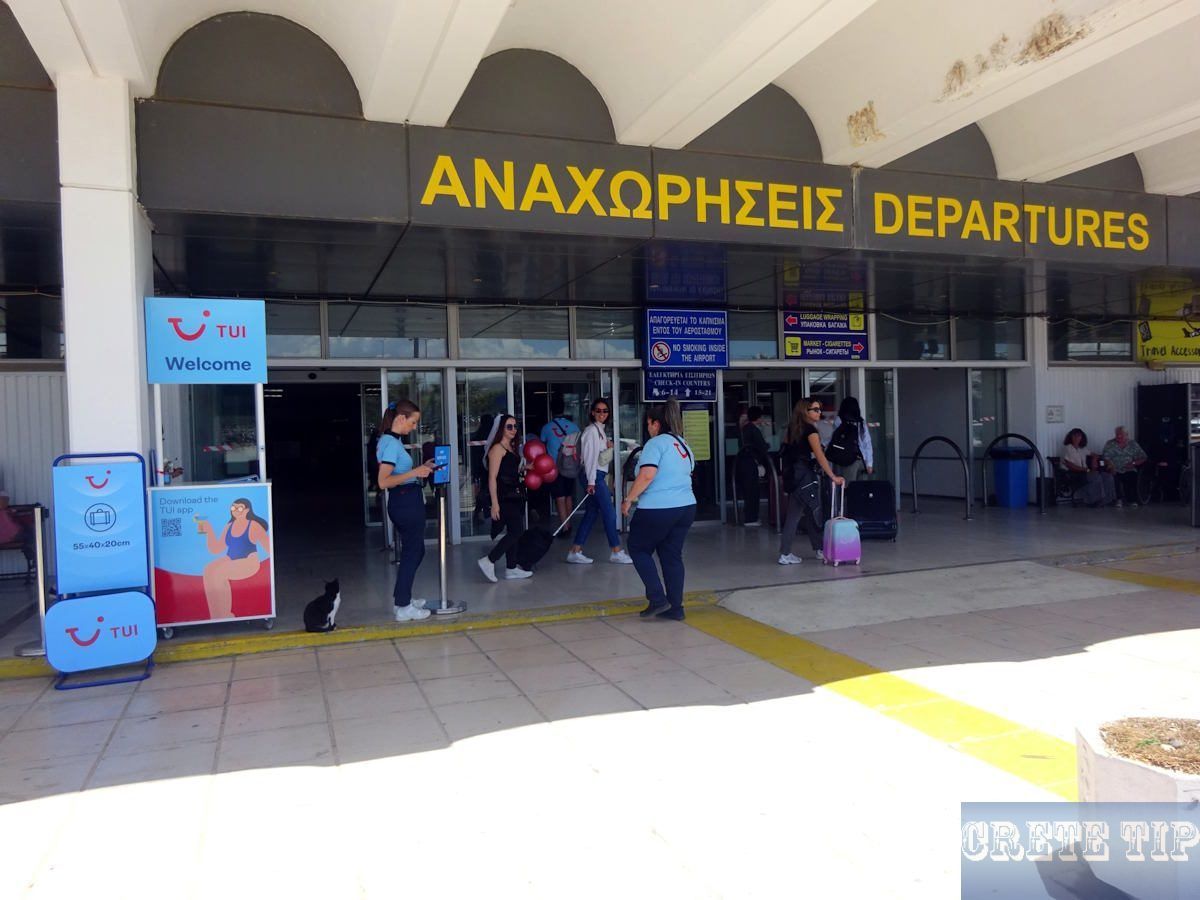
Heraklion airport is on track to handle nearly 10 million passengers this year, which is wild if you think about it.
By the end of September, they’d already welcomed 8.45 million travellers. That’s 500,000 more than the same time last year—a 6.4% jump, outpacing the expected 5% growth.
July and August brought the most pressure. On the busiest days, over 400 flights operated and more than 65,000 passengers moved through the terminal.
The facilities, though pretty limited in size, ran nonstop to manage luggage and keep people flowing. The staff’s precision and professionalism really held things together.
Systems like air navigation, radar, and security controls had to work flawlessly, especially in those packed summer months. If something broke, teams scrambled to fix it right away—no room for delays.
This growth keeps challenging the current infrastructure, but it also shows just how crucial the airport is for tourism.
By the end of October, passenger numbers should exceed 9.8 million. There’s even a shot at hitting that 10 million mark this year.
This trend marks a historic milestone for the Nikos Kazantzakis airport and the whole region, really.
Dispute over airspace fees between government and controllers

Air traffic controllers have voiced strong opposition to a new bill that aims to change how the Civil Aviation Authority operates. They say it’ll cause organisational headaches from the get-go, not improvements.
The whole mess revolves around the fees airlines pay to use Greek airspace—route and terminal fees—which brought in €220 million last year. Eurocontrol collects these fees and then passes them on to Greece.
This revenue is supposed to cover air traffic controllers’ salaries, their training, and maintenance of key systems like radar. Now, though, the new law wants to give a slice of this funding to administrative staff and other related bodies.
Controllers weren’t thrilled. They responded by reducing the number of flights they handled at Athens airport, which led to plenty of delays and disrupted travel plans for passengers.
Several insiders say money isn’t really the problem here. Despite all the cash coming in, issues like aging navigation equipment and too few controllers still linger.
The fees charged to airlines depend on aircraft size and route. While Eurocontrol does the collecting, the Greek state decides what to do with the money in the end.
These funds are supposed to go first and foremost to air traffic management costs—things like payroll, training, and system upgrades. The rules don’t allow using the fees for unrelated state expenses or to keep other state airports running.
Panagiotis Psaros, who heads the controllers’ association, points out that covering costs not tied to air traffic control just isn’t allowed under current regulations.
Key Facts | Details |
|---|---|
Annual revenue from fees | €220 million |
Collected by | Eurocontrol |
Main uses | Controller salaries, training, infrastructure |
Contested use | Administrative staff, other state bodies |
Impact of dispute | Reduced flights, passenger delays |



