

Newsflash from Monday, 4 May 2026:
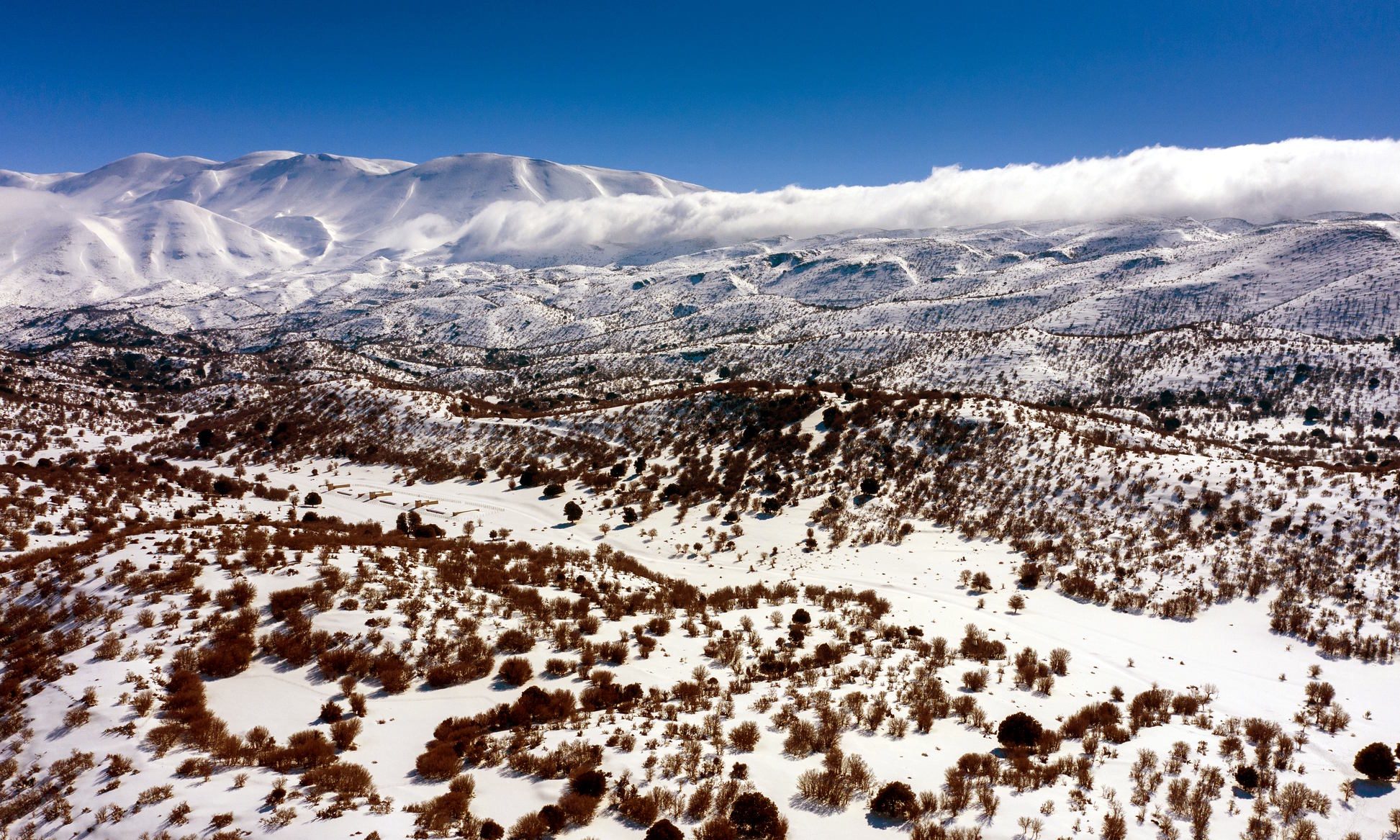
Winter in May? Unprecedented Snowfall Transforms Crete’s Mountain Peaks
While most of Europe is preparing for summer sun and beach days, the island of Crete has just experienced a weather phenomenon that feels more like January than May. In a “magical and unprecedented” turn of events, the heart of spring has been replaced by a deep winter landscape across the island’s highest altitudes.
A Magical Scene in Anogeia

On Sunday morning, residents of Anogeia woke up to a sight rarely seen this late in the season. At an altitude of 1,500 meters, the rugged peaks were completely “dressed in white.”
The sudden shift in weather brought more than just snow; the region was hit by a wave of intense phenomena, including:
* Heavy hail that temporarily blanketed the mountainside.
* Thick fog and gale-force winds.
* Plummeting temperatures that caught locals by surprise.
Images from the area capture a landscape that looks like the middle of February, proving just how volatile and impressive the weather in Crete’s mountainous “heart” can be.
Fresh Snow on the White Mountains (Lefka Ori)
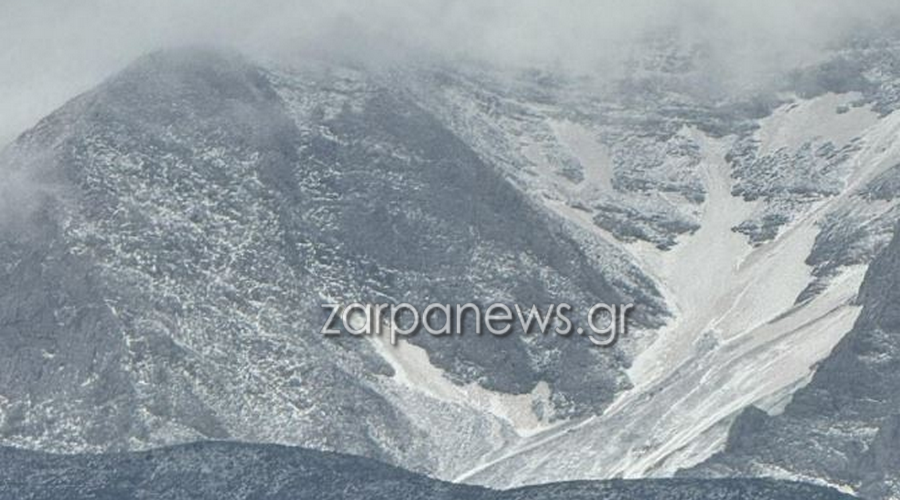
The winter wonder wasn’t limited to central Crete. Further west, in the Chania region, the iconic Lefka Ori (White Mountains) lived up to their name once again. Fresh snow fell during the first days of May, creating a stunning contrast against the blooming spring flora of the lower valleys.
For the people of Chania, the sight was a “pleasant surprise,” as the last month of spring began with a reminder of nature’s power. Social media has been flooded with photos from locals and visitors alike, documenting the rare sight of fresh powder in May.
Why This Matters
While snow in the high mountains of Crete is common in winter, seeing significant accumulation in May is highly unusual. This “May with a winter scent” follows a period of aggressive weather across the island, which included heavy rain and hail in Heraklion.
The abrupt change serves as a reminder for hikers and visitors to remain cautious. Even as the calendar says May, the Cretan mountains follow their own rules, where spring can turn back into winter in a matter of minutes.
Record-Breaking Rain: How April’s Unprecedented Downpours Saved Crete’s Summer

After a winter that left many worrying about a looming drought, nature has provided a dramatic answer. April 2026 has officially gone down in the history books as one of the wettest months ever recorded on the island of Crete, shattering rainfall records across almost all monitoring stations.
From “Red Dust” to Refreshing Rain
The month began with a surreal atmosphere as thick clouds of African dust blanketed the island, turning the sky a deep orange and coating everything in a layer of red silt. However, the extreme dust concentrations were quickly followed by a series of intense weather fronts.
These heavy rains did more than just clear the air; they provided a vital boost to the island’s water reserves just weeks before the peak of the summer season.
Shattering Long-Standing Records
According to the latest data from the National Observatory of Athens (meteo.gr), the rainfall levels recorded in April were significantly higher than the historical averages.
Out of the 20 selected weather stations monitored across the four regional units of Crete (Chania, Rethymno, Heraklion, and Lasithi), nearly every single one reported a new record for monthly rainfall since the stations first began operation.
* Widespread Impact: The phenomenon wasn’t localized; it affected the entire island, from the western peaks of Chania to the eastern plains of Lasithi.
* The Lone Exception: Interestingly, only one station did not break a new record this year—Plakias in Rethymno, where the rainfall of April 2025 remains the highest on record.
Saving the Summer from Water Scarcity
Earlier this year, experts expressed concern that a dry winter could lead to severe water shortages during the hot summer months. However, a wet March followed by this record-breaking April has drastically changed the outlook.
The National Observatory’s charts indicate that these consecutive months of heavy precipitation have essentially “saved” the island from immediate water scarcity, ensuring that reservoirs are replenished and the agricultural sector has the moisture it needs to thrive.
What This Means for Residents and Visitors
While the heavy rain and hail caused some temporary disruptions, the long-term benefits for Crete’s ecosystem and tourism industry are undeniable. The landscape is currently lush and green, and the threat of water restrictions has been significantly mitigated.
As we head into May, the island is breathing a sigh of relief. The “cleansing” rains of April have not only broken records but have ensured that Crete is well-prepared for the Mediterranean summer ahead.
Crete’s Reservoirs Overflowing: A “Life-Breath” for the Island Ahead of Summer

After a winter of uncertainty, the island of Crete is celebrating a spectacular boost in its water reserves. Following an exceptionally wet April and early May, the island’s dams and lakes have reached levels that offer a significant sense of security for both residents and the vital agricultural sector as the summer heat approaches.
The Potamon Dam Hits 100%
The most impressive news comes from the Potamon Dam, which has officially reached 100% of its capacity. With approximately 22 million cubic meters of water stored, this marks one of the best performances the reservoir has seen in recent years. This surplus provides a massive boost to the island’s overall water adequacy.
Vital Reserves Across the Island
The positive trend isn’t limited to just one area. Several key reservoirs have reported healthy levels that will support the island through the demanding tourist season:
* Aposelemis Dam: Now holds 12.7 million cubic meters, ensuring a smooth start to the summer for the Heraklion and Agios Nikolaos regions.
* Faneromeni Dam: Reserves have reached 11.5 million cubic meters.
* Bramiana Dam: Maintains a stable level of approximately 5 million cubic meters.
* Lake Kournas: The water level has reached 5.7 meters, nearing its safety limit, which requires constant monitoring by local authorities to manage the overflow.
Two Years of Water Security?
Experts suggest that if this water is managed rationally, the current reserves could cover the island’s needs for the next two years. This “buffer” gives the government and local authorities valuable time to plan and implement critical long-term infrastructure projects without the immediate pressure of a drought crisis.
A New Era of Water Management
The abundance of water comes at a time of significant administrative change. Following a high-level meeting led by Prime Minister Kyriakos Mitsotakis, a decision has been made to move toward unified water management for the entire island.
The Crete Development Organization (OAK) is expected to take the lead as the central body, aiming for better coordination, sustainable use of resources, and a more resilient future for Crete’s water supply.
Looking Ahead
While the current outlook is overwhelmingly positive, officials remind the public that “rational management” remains the keyword. The record-breaking rains of this spring have provided a “life-breath” for Crete, but the long-term balance of the island’s ecosystem depends on continued smart planning and conservation.
From Winter Coats to Swimsuits: Crete Braces for a 30°C Heat Surge After May’s Cold Snap

If you woke up this week in Crete wondering if the calendar had accidentally flipped back to January, you aren’t alone. The first days of May brought a “winter-like” entrance to the island, with temperatures struggling to hit 13°C, heavy rain, and even fresh snow on the mountain peaks.
But don’t pack away your summer gear just yet. According to leading meteorologists, Crete is about to experience a dramatic “weather U-turn” that will take us from shivering to sunbathing in just a few days.
The End of the “Cold Parenthesis”
Meteorologist Giannis Kallianos has described the recent cold spell as a “cold parenthesis” in the middle of spring. While the week started with clouds and reinforced northern winds (reaching up to 8-9 Beaufort in the Aegean), the atmospheric circulation is shifting.
By the end of this week, the “winter coat” weather will be a distant memory as a warm air mass moves in to reclaim the Mediterranean.
The Day-by-Day Warm Up
The transition back to spring—and eventually summer—will be gradual but steady. Here is what to expect for the rest of the week:
* Monday, May 4: The clouds begin to break. Temperatures on the islands will hover between 18-21°C.
* Tuesday, May 5: Sunshine takes over. Expect a jump to 22-24°C.
* Wednesday, May 6: The warming trend continues with highs reaching 25°C.
* Thursday, May 7: Summer officially knocks on the door. Temperatures are expected to climb to 24-27°C on the islands, while mainland Greece could see 30°C.
A Weekend “Heat Invasion”?
The real story begins as we head toward the weekend of May 9-10. Meteorologists are closely monitoring a potential “thermal invasion” from North Africa.
Warm air masses are expected to travel across the central Mediterranean toward Greece. If current models hold, the mercury in major Cretan cities like Heraklion could hit 28°C to 30°C by Friday and Saturday.
Expert Outlook: A Return to Normalcy
Meteorologist Klearchos Marousakis confirms that the weather is “turning toward normalcy.” After a period of unusual cold and record-breaking April rainfall, the dominance of the sun and the rise in temperature will bring the typical Cretan May that locals and tourists love.
While the “heatwave” scenario isn’t fully “locked in” yet, the general trend is clear: summer is winning the tug-of-war against winter.
Source:



