

Newsflash from Sunday, 29 March 2026:

The “Kiss of Life”: Aposelemis Dam Surges from Scarcity to 8.5 Million Cubic Meters
In a dramatic turnaround for Crete’s water security, the Aposelemis Dam has seen a massive influx of water over the last few days. What was a “worrying situation” just months ago has transformed into a scene of rushing torrents, providing a much-needed “kiss of life” to the island’s largest reservoir.
From Drought Fears to Rapid Recovery
As of today, March 29, 2026, the Aposelemis Dam holds approximately 8.5 million cubic meters of water. This is a significant recovery compared to the levels recorded in December 2025 and January 2026, when the reservoir was at alarmingly low levels due to persistent drought conditions.
For comparison, in April 2024, the dam held about 7 million cubic meters, and by early 2025, that volume had plummeted to less than 3 million. The current surge represents a vital buffer as Crete prepares for the high-consumption summer tourism season.
The Power of the Lasithi Plateau
The primary driver behind this recovery is the intense rainfall and the resulting runoff from the Lasithi Plateau. Water is being channeled through the specialized tunnel system at a staggering rate:
* Current Inflow: Approximately 50,000 cubic meters per hour.
* Recent Growth: In just one 24-hour period this week, the reservoir gained nearly one million cubic meters of water.
* Previous Rates: Just days ago, the inflow was measured at 34,000 cubic meters per hour.
Drone footage captured by Spyros Lianakis shows the impressive sight of the rushing waters filling the basin, a stark contrast to the visible “sunken village” of Sfedili that often reappears during dry spells.

Looking Ahead: Will It Reach 10 Million?
If the current weather patterns continue through the end of the week, experts estimate the total volume could approach 10 million cubic meters. While this is still well below the dam’s total capacity of 27 million cubic meters, it provides essential relief for the water supply of Heraklion, Agios Nikolaos, and the surrounding tourist hubs.
The Aposelemis water supply project remains a critical piece of infrastructure for NE Crete, and this rapid replenishment is a welcome sign for residents and businesses alike who have been bracing for potential water restrictions.
The Importance of Water Management
Despite this positive news, the volatility of the dam’s levels over the last three years highlights the ongoing challenges of water management in the Mediterranean. As tourism continues to grow—with 6,000 tourists arriving this weekend alone—the pressure on these resources remains high.
For now, however, the “rushing waters” of Aposelemis offer a moment of celebration and a much-needed breath of fresh air for the island’s water future.
A Vast Inland Sea: Lasithi’s Agios Georgios Reservoir Overflows After Years of Waiting
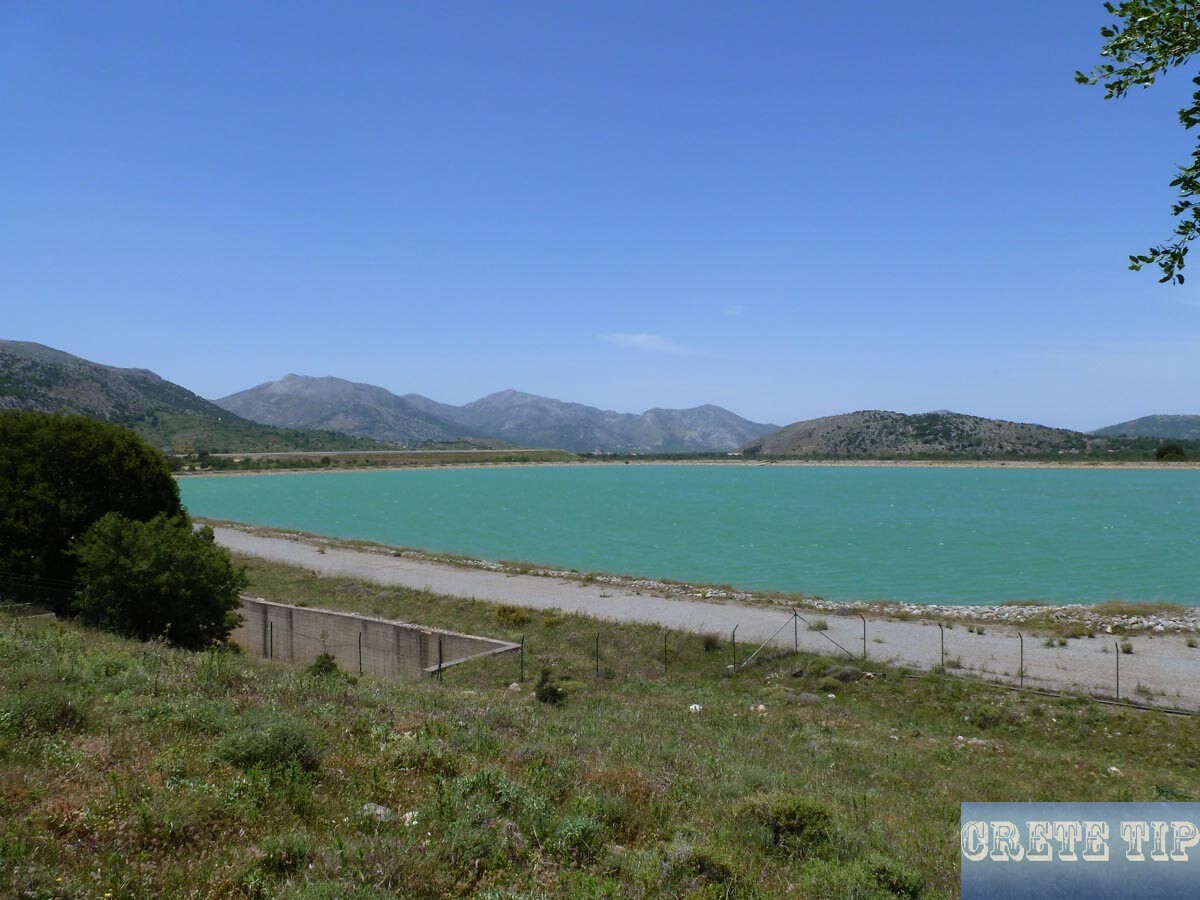
The iconic Lasithi Plateau has been transformed into a breathtaking “inland sea” this week. Following days of intense rainfall, the Agios Georgios reservoir has officially overflowed, sending a surge of water across the fertile plains and securing a vital resource for the upcoming summer season.
As of March 27, 2026, the plateau—famous for its traditional windmills and rich agricultural heritage—resembles a vast lake, with water carving “impressive channels” through the fields.
A Sight to Behold: The Plateau Underwater
The overflow has created a unique spectacle. The plains of Lasithi are currently covered in water, which is moving toward surrounding networks and dams. While the sight is visually stunning, it also highlights the raw power of nature in this high-altitude region.
The Agios Georgios reservoir, which has a maximum capacity of approximately 2,150,000 cubic meters, is now at 100% capacity. This is a significant milestone, as the reservoir had not reached these levels for several years due to persistent drought conditions.
A drone flight to the two reservoirs on the Lasithi Plateau last spring.
Impact on Local Agriculture
The Lasithi Plateau is the agricultural heart of eastern Crete, known for its high-quality production of:
* Potatoes (the region’s most famous crop)
* Vegetables and Fruits
* Olive Trees
While the flooding of fields presents immediate challenges for farmers, the long-term benefits are substantial. The reservoir was originally constructed with an 11.5 million euro budget specifically to irrigate over 13,000 acres of land in the western part of the plateau. This surplus ensures that the irrigation needs for the 2026 growing season are fully met.
Good News for Heraklion’s Water Supply
The overflow at Agios Georgios is part of a larger “water wealth” story for the island. The excess water is being channeled toward the Aposelemis Dam, which has seen its reserves jump to over 8.5 million cubic meters this week.
Local officials have noted that thanks to these heavy rains, the municipality of Heraklion is not expected to face any significant water supply problems during the summer of 2026—a major relief for both residents and the tourism industry.
The Importance of Management
The transformation of the plateau into a “lake” serves as a powerful reminder of the importance of water management infrastructure. By capturing these intense winter and spring rains, Crete can better withstand the dry Mediterranean summers.
As the water continues to flow from the mountains into the reservoirs, the “watery grave” of the recent drought years seems to finally be behind us.
A Hydrological “Breath of Life”: Lake Kournas Surges to 4.43 Meters After Historic Lows

Crete’s only natural freshwater lake is finally breathing again. After a winter of concern and record-breaking dry spells, Lake Kournas has seen a dramatic recovery in its water levels, reaching a healthy 4.43 meters this week.
The news comes as a massive relief for the local ecosystem, tourism businesses, and environmentalists who have watched the lake’s shoreline recede to alarming levels over the past year.
A Dramatic Turnaround from January
The recovery is nothing short of spectacular when compared to the situation just a few months ago. In January 2026, the water level at Lake Kournas was recorded at a staggering low of 1.80 meters—a “historic low” that exposed large sections of the lakebed and threatened the local flora and fauna.
By early March, rainfall had pushed the level to 3.35 meters, but the most recent measurements of 4.43 meters indicate that the “hydrological breath” is continuing to strengthen as spring arrives.
The Role of the White Mountains
Lake Kournas is a unique geological feature, essentially a large pit filled with groundwater. It is primarily fed by the White Mountains (Lefka Ori). The southeastern side of the lake sits on porous ground, allowing snowmelt and rainwater from the mountains to filter through the rock and replenish the basin.
The recent heavy rains across the Chania region have accelerated this process, ensuring that the lake—which reaches a maximum depth of 22.5 meters—is well-prepared for the upcoming summer heat.
Why This Matters for Crete
As a protected Natura 2000 site, Lake Kournas is a vital wetland. It is home to a variety of species, including:
* Rare diamondback terrapins (turtles).
* Eels and various freshwater fish.
* Migratory birds that use the lake as a rest stop.
For the tourism industry in Georgioupoli and the Apokoronas region, the rising water level is equally important. The lake is a major attraction for thousands of visitors who enjoy paddle-boating and dining along its shores. A full lake ensures that the “natural gem” of Chania remains as picturesque as ever for the 6,000 tourists arriving on the island this weekend.
A Broader Trend of Water Recovery
The recovery of Lake Kournas mirrors the positive news coming from other parts of the island. With the Aposelemis Dam reaching 8.5 million cubic meters and the Agios Georgios reservoir in Lasithi overflowing, Crete’s water outlook for 2026 has shifted from “dire” to “optimistic” in just a matter of weeks.
While specialists still emphasize the need for careful long-term management due to the ongoing climate crisis, the current 4.43-meter mark at Kournas is a welcome sign that nature is fighting back.
Crete Dressed in White: The Breathtaking View of the Island from Space

While most of Europe is looking forward to the first blooms of spring, the island of Crete is currently offering a spectacular visual contrast. Following a recent wave of severe weather that swept across the Mediterranean in late March, a NASA satellite has captured a stunning image of the island “dressed in white.”
The image, taken on Thursday, March 26, 2026, reveals the dramatic impact of the recent storm system on Crete’s rugged landscape.
A Mid-Day Masterpiece from the TERRA Satellite
The high-resolution photograph was captured by the American satellite TERRA at approximately noon. Thanks to a temporary break in the clouds and a significant improvement in weather conditions on Thursday, the satellite was able to peer down and document the extensive snow cover across the island’s mountain ranges.
The “white” Crete seen in the image is the result of intense weather phenomena that affected the island during the third decade of March. Even as coastal temperatures began to stabilize, the peaks remained heavily blanketed.
The Three Giants: Psiloritis, Lefka Ori, and Dikti
The satellite imagery highlights the three main mountain massifs of Crete, all of which retained significant snow reserves:
* The White Mountains (Lefka Ori): Living up to their name in the west.
* Mount Ida (Psiloritis): The island’s highest point in the center.
* The Dikti Mountains: Dominating the landscape in the east.
This late-season snowfall is particularly important for the island’s water security. As we’ve seen with the recent recovery of the Aposelemis Dam and the Agios Georgios reservoir, this melting snow will eventually provide a vital “thirst-quencher” for the island during the hot summer months.
A Rare Spring Contrast
It is not uncommon for snow to linger on the highest peaks of Crete well into May, but the sheer volume of snow visible from space in late March is a testament to the intensity of the recent cold front.
For the 6,000 tourists arriving in Heraklion this weekend, the view from the ground will be one of dualities: warm, sunny beaches at sea level and majestic, snow-capped “Alps” visible in the distance.
Why Satellite Imagery Matters
Beyond its aesthetic beauty, images from satellites like TERRA are crucial for meteorologists and environmental scientists. They allow for:
1. Snowmelt Prediction: Estimating how much water will enter the reservoirs.
2. Climate Monitoring: Tracking how late-season snow patterns change year over year.
3. Agriculture Planning: Helping farmers understand the moisture levels in the high-altitude pastures.
Whether you are a local resident or a traveler planning a visit, this “white” version of Crete is a reminder of the island’s incredible geographic diversity.
Sources: NeaKriti, NeaKriti, CretaLive, NeaKriti



