

Newsflash from Wednesday, 5 August 2026:
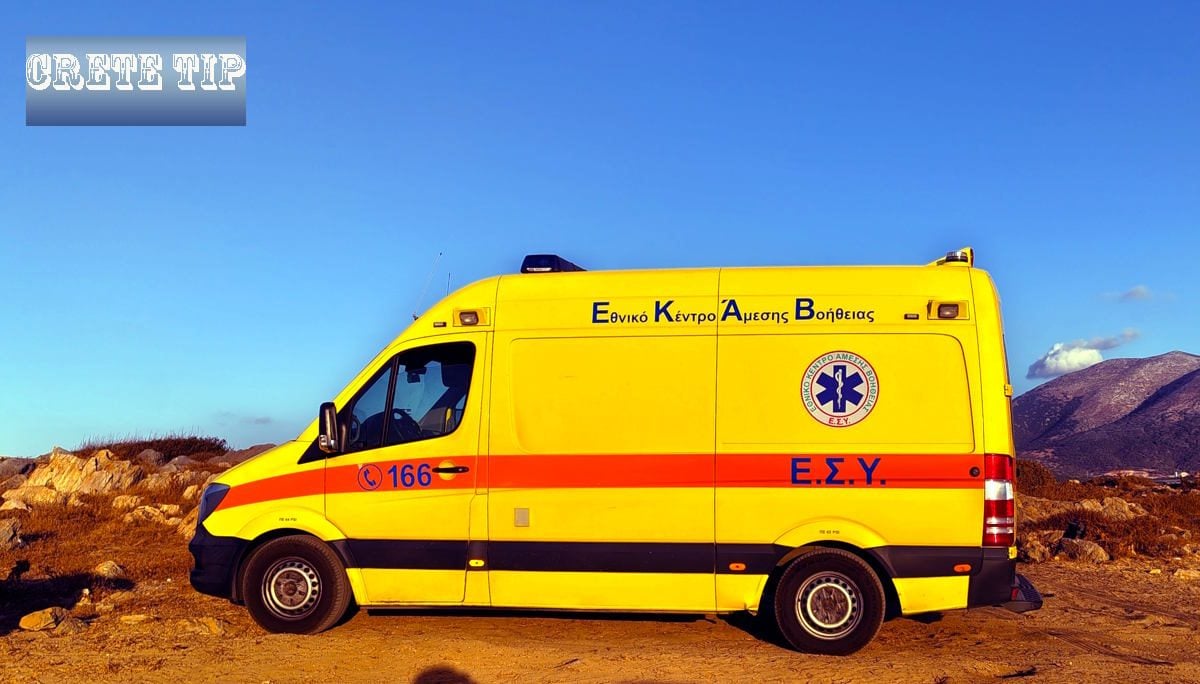
Three separate incidents in Crete have drawn attention to the dangers facing swimmers, hikers and visitors during the busy summer season.
55-Year-Old Dies After Being Pulled from Sea Near Palekastro
A 55-year-old man died after being found unconscious in the sea off the Plakopoules area near Palekastro, in the municipality of Sitia.
According to the Cretalive report, first responders administered CPR and used a defibrillator, but without success. The man was transported by ambulance to Sitia General Hospital–Health Centre, where his death was confirmed.
The Sitia Port Authority is conducting the preliminary investigation. A forensic examination and autopsy have been ordered to establish the precise cause of death.
45-Year-Old Swimmer Rescued at Koum Kapi
A separate incident at Koum Kapi beach [Google Maps] in Chania ended safely after a 45-year-old woman reportedly experienced difficulty returning to shore.
As reported by Patris, a tourist noticed that the woman was struggling and helped bring her back to the beach. An ambulance later transported her to Chania Hospital for a precautionary medical examination.
The incident has renewed concerns about safety at the popular urban beach, which reportedly has rescue equipment but no lifeguard. Residents and local businesses are calling for stronger safety measures, particularly during the peak tourist season.
Injured German Tourist Rescued from Imbros Gorge
Last sunday emergency services also launched a rescue operation in Imbros Gorge after a 54-year-old German tourist injured his leg while hiking and was unable to continue.
According to Nea Kriti, the injured man called for assistance. Firefighters from the Anopolis Fire Service responded and worked to locate and safely remove him from the difficult terrain.
Safety Remains Essential Across Crete
The incidents serve as a reminder for visitors and residents to assess conditions carefully before entering the sea or undertaking outdoor activities. Swimmers should avoid going into the water alone, while hikers should carry sufficient water, wear suitable footwear and inform others of their route.
At beaches without lifeguards, extra caution is essential. In an emergency, call 112 or the appropriate emergency service immediately.
Sources: Cretalive, Patris and Nea Kriti.
Silent Danger in the Water: Nearly 380 Drowning Deaths Each Year in Greece – Key Safety Guidelines You Should Know

While swimming is widely recognized as one of the healthiest and most enjoyable activities, new data highlights a sobering reality: nearly 380 people lose their lives to drowning every year in Greece.
According to the Hellenic National Public Health Organization (EODY), drowning remains a major public health concern, often occurring suddenly and silently—sometimes within just 20 to 60 seconds.
A Global and National Concern
Drowning is the third leading cause of death from unintentional injury worldwide, accounting for approximately 7% of all injury-related deaths. The World Health Organization estimates that around 300,000 people die from drowning each year globally.
In Greece, the situation is equally alarming. Data shows an average of 378 fatal incidents annually in aquatic environments, with the overwhelming majority—99%—occurring in the sea.
Men represent around 67% of victims, while people over the age of 60 account for a striking 81% of drowning deaths, underscoring the need for targeted prevention measures for older populations.
Who Is Most at Risk?
Although drowning can affect anyone, certain groups are more vulnerable. Young children under the age of five face particularly high risks globally, while older adults are the most affected group in Greece.
Key risk factors include lack of swimming ability, inadequate supervision of children, alcohol consumption, and underlying medical conditions such as heart disease, epilepsy, or neurological disorders.
Common Causes of Drowning
EODY identifies several contributing factors that significantly increase the risk of drowning:
- Lack of swimming skills
- Insufficient and uninterrupted supervision of children
- Absence of protective barriers around pools
- Alcohol consumption before or during swimming
- Ignoring weather forecasts and sea conditions
- Failure to use life jackets or proper safety equipment
- Not seeking medical advice when underlying health issues exist
Essential Safety Guidelines for Swimmers
To reduce the risk of drowning, EODY emphasizes simple but life-saving precautions:
- Always swim with a companion
- Enter and exit the water gradually
- Swim parallel to the shore, not away from it
- Avoid swimming immediately after eating or drinking alcohol
- Do not swim in unfamiliar or unmonitored waters
- Maintain constant supervision of young children
- Consult a doctor if you have underlying health conditions
- Do not overestimate your physical abilities
Prevention Saves Lives
Experts stress that drowning is often preventable with proper awareness and responsible behavior. Whether at the beach, in a pool, or during water sports, following basic safety rules can make the difference between life and death.
As Greece continues to welcome millions of visitors each year, authorities are calling on both residents and tourists to stay informed and prioritize safety in and around the water.
Nearly Drowned? Why Symptoms After a Water Incident Should Never Be Ignored
A person may appear to recover after a near-drowning incident, but breathing problems and other complications can develop later. Prompt medical assessment can be lifesaving.
What Happens After a Near-Drowning?
Drowning is a process in which breathing is impaired after submersion or immersion in liquid. Even when a person is rescued and appears alert, inhaled water can irritate and damage the lungs.
In some cases, inflammation and fluid leakage can worsen over the following hours. This may interfere with the body’s ability to absorb oxygen and can lead to serious respiratory complications, including pulmonary edema.
Delayed deterioration is possible, particularly after a significant incident. The report by Cretalive highlights the importance of monitoring a person for symptoms that may appear after leaving the water.
Warning Signs That Require Urgent Help
Seek emergency medical assistance immediately if the person develops any of the following:
- Persistent or worsening coughing
- Shortness of breath or rapid breathing
- Chest pain or tightness
- Unusual fatigue, weakness or difficulty staying awake
- Confusion, dizziness or abnormal behavior
- Blue or gray lips and skin
- Vomiting or worsening symptoms after rescue
Symptoms may indicate inadequate oxygenation or a developing lung injury. Do not wait for symptoms to become severe before seeking care.
What to Do After a Water Emergency
- Call emergency services: In Greece, dial 112 if the person has breathing difficulties, lost consciousness or required rescue.
- Check breathing: If the person is not breathing normally, begin CPR and follow the dispatcher’s instructions.
- Keep the person warm: Remove wet clothing and cover them while waiting for help.
- Do not leave them alone: Monitor their breathing and level of alertness, even if they initially seem well.
- Arrange medical evaluation: Anyone with persistent symptoms or a serious submersion event should be assessed by healthcare professionals.
Do not rely on outdated terms such as “dry drowning” or “secondary drowning.” The important issue is whether the person experienced impaired breathing and whether symptoms are developing. Only a medical professional can determine the appropriate observation and treatment.
Prevention Saves Lives
Swim with others, remain within your abilities and avoid entering the water after consuming alcohol. Children should always be supervised closely—within arm’s reach when they are in or near the water.
A near-drowning is a medical emergency, even when the person seems to have recovered.
Source: Cretalive – What can happen after a near-drowning incident.



