

The eastern part of Crete faces a severe water shortage that’s clearly taking a toll on the region. Water—so crucial for both agriculture and tourism—is growing scarcer, and that’s a real threat to the island’s economy and environment.
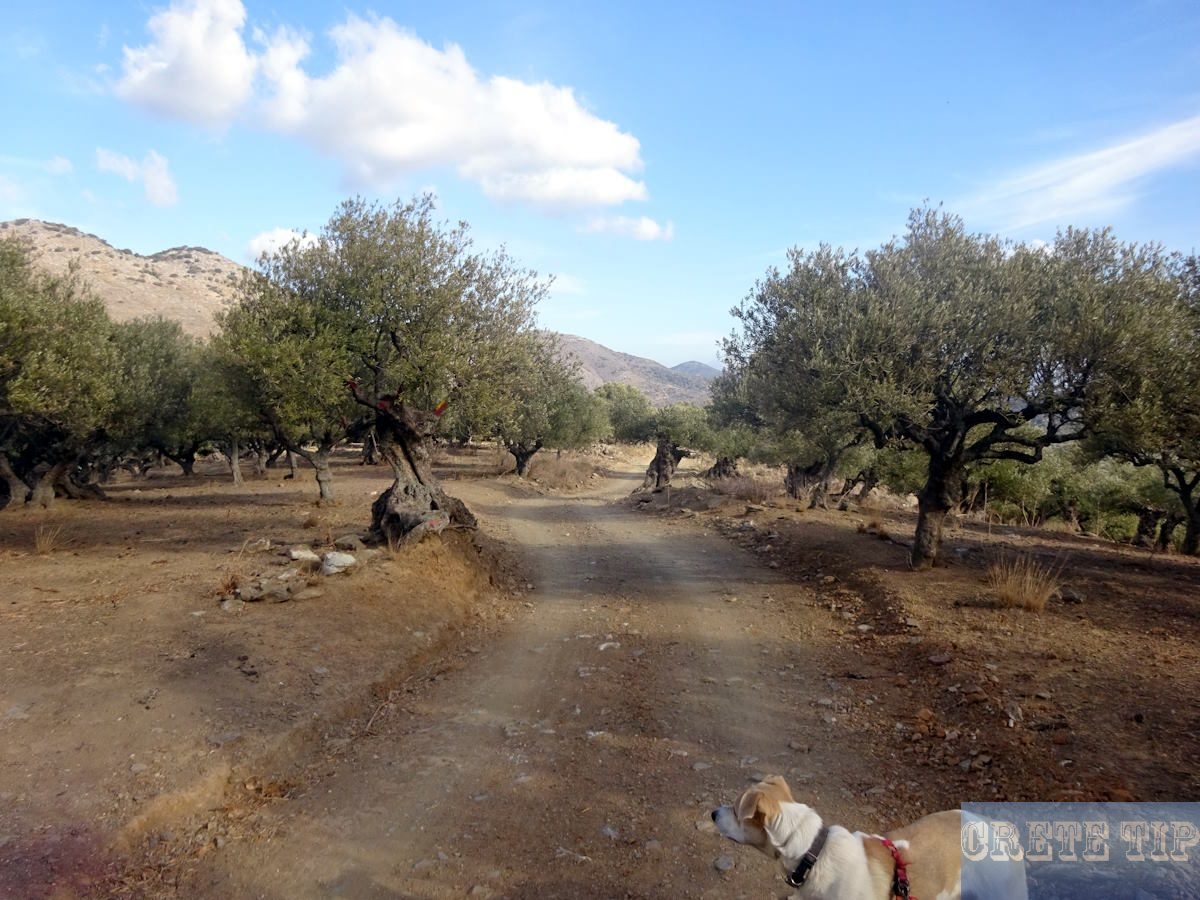
Recent scientific data show water availability is dropping off, making the challenges impossible to ignore. It’s a situation that needs action, not just more talk.
Lasithi, especially, really jumps out when you compare the summer of 2025 to the year before. The difference in water resources is dramatic, and it just underlines how urgent it is to get a grip on things before it gets worse.
Key Takeaways
- Water scarcity in eastern Crete is getting worse fast.
- Agriculture and tourism are both feeling the squeeze.
- Recent numbers point to an urgent need for smarter water management.
The Numbers Behind the Crisis: Comparing the Summers of 2024 and 2025

The difference between Crete’s summers in 2024 and 2025 is pretty stark. In 2024, Greece had its hottest summer on record, but the drought’s reach on Crete was still somewhat limited.
Then 2025 came along, and things escalated—drought got both more severe and widespread. It felt like the whole island was suddenly in crisis mode.
Back in 2024, June’s lack of rain set up the drought, hitting eastern Crete and Lasithi the hardest. Even with heatwaves, the Aegean’s cooler breezes offered some relief in coastal spots, though places like the Mesara plain suffered more. Experts called 2024’s dryness serious, but not yet critical.
By 2025, though, the situation went downhill fast. Early June brought intense, extreme drought to big chunks of Crete—no longer just isolated trouble, but a full-blown island-wide problem.
Between August 7th and 9th, 2025, a high-pressure system over the Balkans collided with low pressure over the Eastern Mediterranean. That whipped up strong northerly winds, 7-8 Beaufort—pretty intense. The mix of drought and wind made forest fire risks skyrocket, leaving the Cretan countryside on a knife edge.
Key Differences Between the Two Summers
Aspect | Summer 2024 | Summer 2025 |
|---|---|---|
Temperature | Hottest summer recorded | Even hotter with widespread drought |
Rainfall | Lack of rain in June | Prolonged absence of rain throughout summer |
Drought Spread | Mostly eastern Crete and Lasithi | Almost whole island in extreme drought |
Wind Conditions | Meltemi winds somewhat protective | Strong northerly winds at 7-8 Beaufort |
Fire Risk | Elevated but moderate | Extremely high, rapid wildfire danger |
Drought Intensity Levels Observed
- 2024: Moderate to severe drought, mostly in specific areas.
- 2025: Much of Crete hit by the two highest drought categories—severe and exceptional dryness.
Impact Factors
- Climate Patterns: In 2025, stronger, persistent winds plus dryness made things even more dangerous.
- Geographic Extent: Unlike 2024, when coastal areas had some protection, 2025’s drought covered nearly the entire island—even spots that usually cope better.
Persistent Fever: How Temperature Variations Act as a Catalyst
When a fever just won’t quit, temperature swings in the body can mess with how heat gets regulated. If your internal temperature drifts from its usual set point, the fever can stick around or even get worse. It’s a bit of a vicious cycle, really.
Normally, the body keeps its core temperature steady by balancing heat production and loss. But when that balance gets thrown off—maybe by infection or inflammation—temperature can climb past the usual fever mark and stay there. That starts a feedback loop: the body makes more heat, so the fever gets harder to break.
Several things can drive this:
- Increased metabolism: When the body fights infection, it speeds up chemical reactions, producing extra heat.
- Impaired heat loss: Dehydration or hot surroundings can block the body’s cooling efforts.
- Cytokine activity: These immune signals mess with the brain’s temperature controls, pushing the fever higher.
All these temperature swings add up, putting more stress on the body—especially if fever-reducing meds don’t work or take too long. That can mean complications or a longer illness.
Temperature Factor | Impact on Fever Persistence |
|---|---|
Elevated metabolic rate | Generates more internal heat |
Reduced sweating or cooling | Limits body’s heat dissipation |
Immune system signalling | Alters the brain’s set point for temperature control |
Short bursts of higher temperature don’t always clear up a fever. Instead, ongoing temperature changes can make the fever linger and get worse. If you want to manage it well, you’ve got to understand how these shifts play out.
Sometimes, outside heat or not drinking enough water just makes things harder. If the body can’t cool down, the fever can hang on or even climb higher. Staying hydrated and in a decent environment really matters for recovery.
Fever doesn’t act alone—it reacts to temperature swings inside and out. So, treatment should cover not just the infection, but anything that affects heat balance. That’s the only way to really get on top of it.
Keeping an eye on how the fever’s behaving is key. If it’s not budging, it might be time to dig deeper and rethink the approach before things get out of hand.
The reality of autumn: One rain doesn’t equal spring
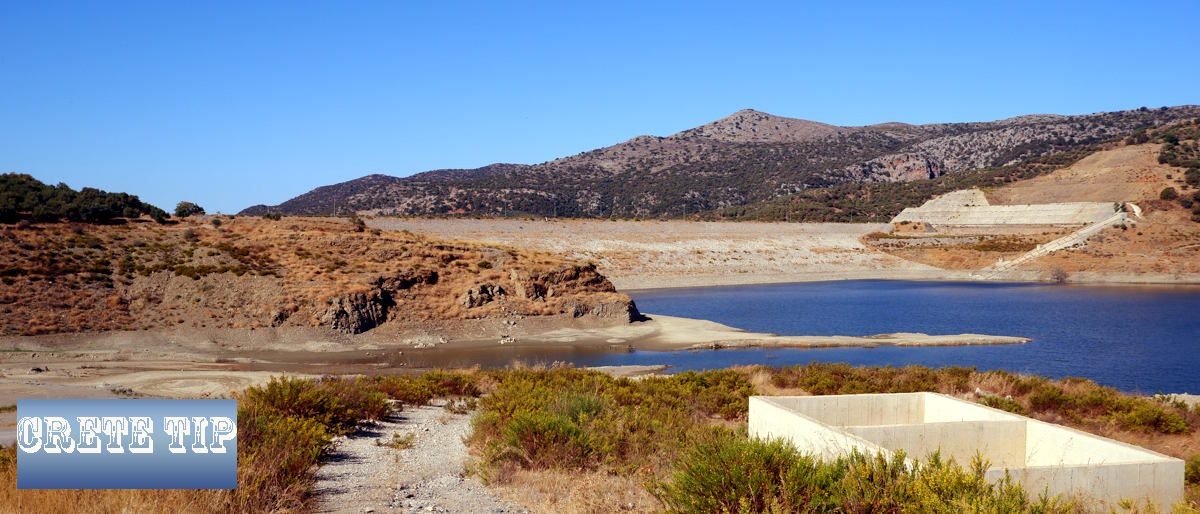
October’s rain gave folks a bit of hope for soil moisture recovery. At first glance, it looked like the top layer—about 7 to 28 centimetres down—soaked it up fast, and most of the mainland seemed to benefit.
But dig a little deeper, literally, and the story changes. Below 28 centimetres and down to a metre, things stay much drier. This deeper soil holds onto moisture longer, so it really shows the true state of water reserves.
Even after the rain, most of the Peloponnese and Crete stayed stuck in severe drought. A quick shower just doesn’t cut it for lasting improvement.
Soil Layer | Depth Range (cm) | Moisture Response | Condition After October Rain |
|---|---|---|---|
Surface layer | 7 – 28 | Reacts quickly to rainfall | Widespread moisture surplus on the mainland except Crete, which stayed dry |
Deeper soil | 28 – 100 | Slow, stable moisture level | Much of Peloponnese and Crete still in severe drought despite rainfall |
This gap between surface and deep soil moisture is huge when it comes to drought severity. Sure, the topsoil perks up with rain, but the deep dryness means ongoing water stress for crops, ecosystems, and even the water supply.
One rainstorm won’t solve a drought. Deep soil needs steady, repeated rainfall to really recover—otherwise, plants and natural systems keep suffering as surface moisture just disappears again.
Key points to keep in mind:
- Surface moisture bounces back fast after rain but dries out just as quickly.
- Deep soil moisture tells the real story about long-term drought.
- When drought drags on, water deficits build up, even after some rain.
- Places like Crete get hit hard because deep moisture just doesn’t return easily.
Getting a handle on both surface and deep soil moisture helps manage water and farming better. Monitoring what’s happening below the surface gives a more honest picture than just watching the weather.
So, while a little rain might feel hopeful, it’s not enough. The real issue is what’s happening deeper down, and that’s where the real risk still hides.
Lasithi in Crisis: Local Impacts and Challenges
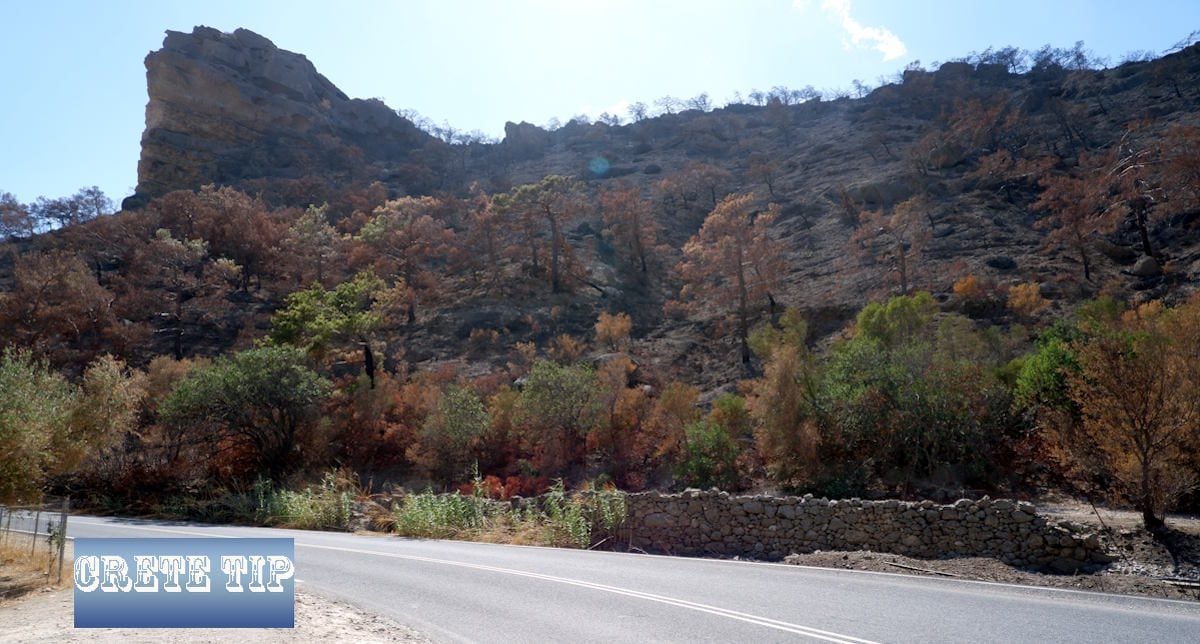
Lasithi’s drought has become impossible to ignore. The water shortage isn’t some far-off worry—it’s here, shaping daily life for everyone in the region.
Agriculture Under Strain
Olive groves and early vegetables near Ierapetra are feeling the pinch. Farmers watch their yields fall and their costs climb as water grows scarcer.
Irrigation demands just keep going up, putting more pressure on the already stretched water supply. Over on the Lasithi Plateau, it’s a similar story—crops need water, and every year there’s less to go around.
Livestock and Pasture Pressures
Rural farming families face shrinking grazing fields. Herders now haul water to their animals, adding to their workload and expenses.
This extra burden hits livestock health and farm output, making an already tough job even harder.
Tourism and Urban Water Needs
Tourism is absolutely crucial for Lasithi’s economy, but it’s a double-edged sword. Hotels, pools, and city parks soak up huge amounts of water, especially when the summer heat arrives.
All that demand drains limited reserves, and honestly, it’s tough to balance local needs with what visitors expect. Tensions can run high.
Reservoirs Running Low
Reservoirs like the Bramiana dam look worryingly empty. When water storage drops, it’s much harder to keep farms and towns supplied.
Local officials have to make tough calls, rationing what little water remains. Their options aren’t great.
Fire Risk and Environmental Concerns
The dry spell has turned forests and fields into tinderboxes. One stray spark and you’ve got a wildfire on your hands.
Everyone’s on edge, hoping for rain but preparing emergency plans just in case.
Regional Context: Connections with Heraklion, Rethymno, and Beyond
Lasithi might be the hardest hit, but it’s not alone. Heraklion and Rethymno feel the drought’s bite, too.
Even coastal towns like Elounda and Sitia are struggling, which makes regional water management a real headache.
Area | Main Issue | Impact |
|---|---|---|
Lasithi Plateau | Water stress on crops | Lower yields, higher costs |
Ierapetra | Vegetable farming affected | Decreased crop quality |
Heraklion | Growing urban demand | Pressure on reservoirs |
Rethymno | Fire risk increases | Environmental damage risk |
Elounda | Tourism water consumption | Strain on local resources |
Sitia | Agricultural water shortage | Reduced production |
The Role of Local Authorities and Communities
Local governments do what they can with what little they’ve got. They try to manage water use and keep disaster at bay.
Investing in better infrastructure and helping farmers adapt to dry times is crucial, but resources are tight. Public awareness campaigns pop up here and there, urging people to save water.
Still, real change needs everyone to pitch in. When communities pull together, water goes further and waste drops.
The Days Ahead: Moving from Recognition to Action
Crete’s water crisis—especially in Lasithi—has hit a breaking point. Climate change just keeps making things worse, so it’s past time to move from talk to real action.
Honestly, patchwork fixes won’t cut it anymore. The region needs a plan that looks years ahead, not just to next month.
This plan should cover a few basics:
- Fixing old water supply systems to stop leaks and waste
- Modern irrigation techniques that save water on farms
- Switching to drought-resistant crops that can handle dry spells
- Major infrastructure projects to find new water sources
Pipes and water networks across Crete are leaking away a shocking amount of water every day. Upgrading and maintaining these systems would make a real difference.
Efficient irrigation—like drip lines or sprinklers—can stretch every drop. These systems put water right where it’s needed, so less is lost to the air or runoff.
Farms use the lion’s share of water. Growing crops that don’t guzzle so much water could help keep agriculture alive, even when the weather won’t cooperate.
Big projects like new reservoirs or desalination plants sound expensive and complicated, but maybe there’s no way around it. Each option needs a hard look at costs, environmental impact, and whether it’ll really deliver in the long run.
Action Steps | Purpose | Impact |
|---|---|---|
Repair water networks | Reduce leakage and waste | Lower water loss |
Implement modern irrigation | Increase water use efficiency | Save significant amounts of water |
Promote drought-resistant crops | Reduce agricultural water need | Sustain farming during droughts |
Develop infrastructure projects | Secure stable water supply | Long-term water security |
But it’s not just about tech or pipes. People need to get on board, changing habits and using water wisely at home and at work.
Regulations matter, too. If policies reward water-saving and crack down on waste, everyone has a reason to care.
Local leaders, farmers, environmentalists, and regular folks all have to work together. No one group can solve this on their own.
Waiting around will only make things worse. The clock’s ticking, and Lasithi can’t afford to lose any more time.
How Crete responds now will shape what comes next. With some grit and smart choices, maybe this whole mess can spark new ideas and a more resilient future.
Water Losses Eliminated, Energy Costs Reduced

A big upgrade to the irrigation network in the Mirabello region has finally stopped chronic water waste. Leaks used to swallow up about a quarter of the water, but now, thanks to new tech, losses are almost gone.
The new system lets operators monitor and control water flow in real time. They can track pressures, flow, and pump activity at every station.
When something goes wrong—like a leak or blockage—they get an alert and can jump on repairs before things spiral. This hands-on oversight keeps water from slipping away unnoticed.
Energy use has dropped, too. By matching water delivery to what’s actually needed, the system avoids pointless pumping.
Electricity bills are down by nearly 30%, which is nothing to sneeze at. That’s good news for both budgets and the environment.
Key Benefits at a Glance
Benefit | Impact |
|---|---|
Water loss reduction | From 25% down to nearly 0% |
Energy consumption cut | Reduced by up to 30% |
System control | Real-time, remote monitoring |
Fault management | Immediate alerts for leaks or blockages |
Pump operation | Automated based on reservoir levels |
This tech makes irrigation way more efficient. Operators don’t have to guess anymore; the system tells them exactly what’s happening, right when it happens.
Water only moves when it’s actually needed. Reservoirs get constant attention, and pumps switch on automatically if levels drop.
That means less waste—on both the water and energy front. The benefits go beyond just saving money.
With water delivered on time and in the right amounts, farmers can count on steady supply. Fewer delays or shortages means crops and livelihoods are better protected.
Honestly, the mix of real-time data and automated controls makes the whole network more resilient. It’s a solid example for other regions looking to modernise their irrigation without wrecking the planet.
Features of the Monitoring System
- Real-time data display: Shows current pressure, flow, and pump status for each station.
- Automated alerts: Sends notifications right away when something unusual happens.
- Field and sub-network division: Lets you manage smaller irrigation zones in detail.
- Energy monitoring: Tracks how much power pumps use so you can optimise it.
- Remote control: Operators can tweak settings without having to be on-site.
This technology keeps the irrigation network running smoothly. You get fewer losses and use less energy overall.
Honestly, bringing smart systems into water management just makes sense. Agriculture and resource conservation both see real gains from it.



