

The balance sheet for tourism in 2025 shows strong figures: more visitors, higher revenues and sustained demand.
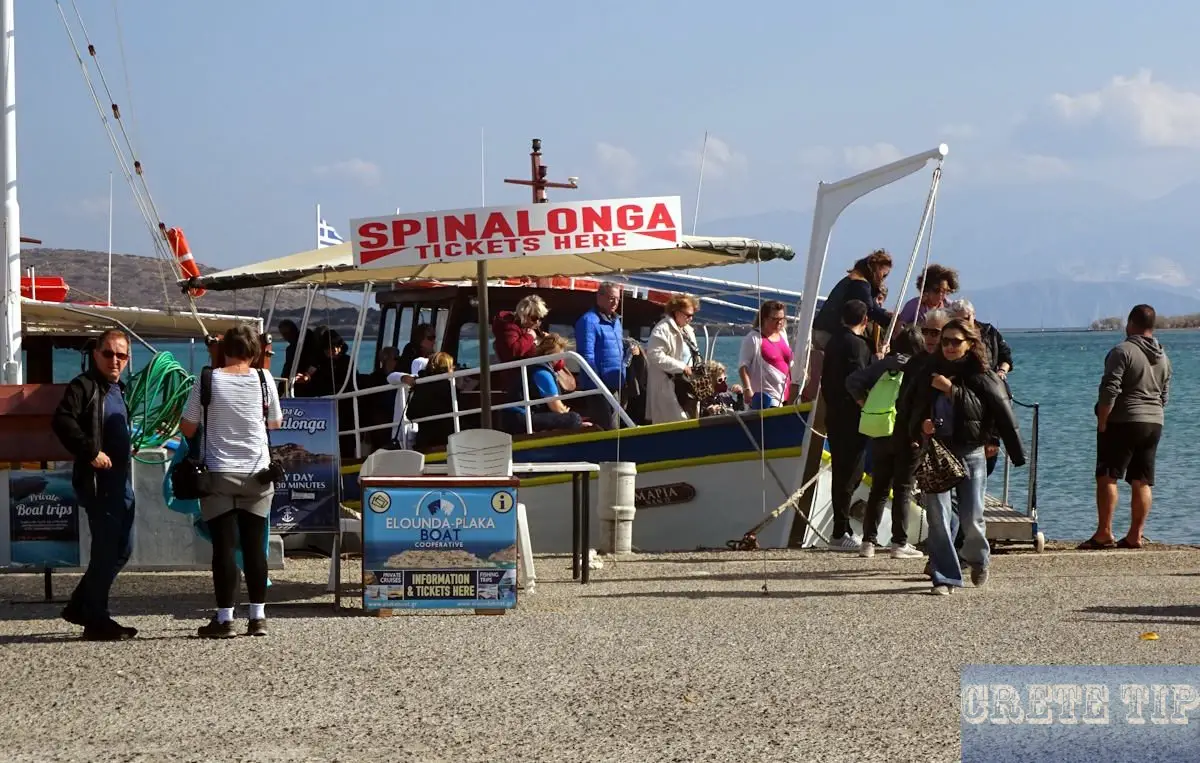
However, rapid growth poses real problems for regions and cities because infrastructure such as water, electricity, waste disposal and transport cannot always keep pace.
Water shortages are no longer an exception. During hot summer months, popular holiday destinations sometimes experience supply shortages lasting several hours.
There is growing pressure to invest specifically in supply networks and urban infrastructure so that tourism can function in a sustainable and reliable manner.
The big picture in 2025: growth with cracks

The economy is showing clear signs of growth in 2025. Nevertheless, the positive figures conceal some fragile areas.
Tourism figures continue to rise. Revenues are growing even faster than visitor numbers – apparently, each guest is spending more, and the trend is towards more valuable tourism.
At the same time, infrastructure and services are increasingly reaching their limits. Hotels, transport and local services are overloaded in many places.
The problem is not a lack of demand, but the fact that the systems cannot be expanded or modernised quickly enough.
Many businesses have long been operating at their limits. Small and medium-sized enterprises in particular are feeling the pressure.
Rising operating costs and additional regulatory requirements are squeezing margins. In addition, there is a shortage of skilled workers – recruitment and retention are becoming more expensive and time-consuming.
The external environment is causing additional uncertainty. Global economic fluctuations and geopolitical risks are influencing demand and cost structures.
This is limiting companies’ room for manoeuvre and slowing down investment. Nevertheless, investment is necessary to close infrastructure gaps and remain competitive.
Key facts at a glance:
- Visitor numbers are growing moderately.
- Revenue per visitor is rising significantly.
- Infrastructure capacities are exhausted in many places.
- SMEs are struggling with higher costs, regulations and a shortage of skilled workers.
- External risks are causing uncertainty.
The effects vary greatly depending on the region and industry. Popular holiday destinations are experiencing congestion during the high season, while lesser-known areas still have potential.
Sectors with high staffing requirements, such as hospitality and transport, are particularly affected by bottlenecks. Industries with more capital can modernise more quickly and are more likely to benefit from the shift in quality.
The areas for political and operational action are obvious. In the short term, targeted relief for SMEs will help to secure liquidity and employment.
In the medium term, investment in infrastructure, training and digitalisation is needed. More efficient approval procedures, support programmes and measures to attract workers could significantly reduce the burden.
Specific challenges that should be addressed urgently:
- Expand and modernise transport and accommodation services.
- Securing skilled workers, training and creating employment incentives.
- Financial relief and regulatory simplification for small businesses.
- Promoting programmes for sustainable and high-quality tourism offerings.
There are also opportunities. Higher revenues per guest open up scope for investment in quality.
Regions with fewer visitors can benefit from targeted development and marketing. Digitalisation makes processes more efficient and reduces the amount of work involved.
Sustainable offerings attract a more affluent customer group and bring long-term stability.
‘We want Greek tourism to become a pioneer’
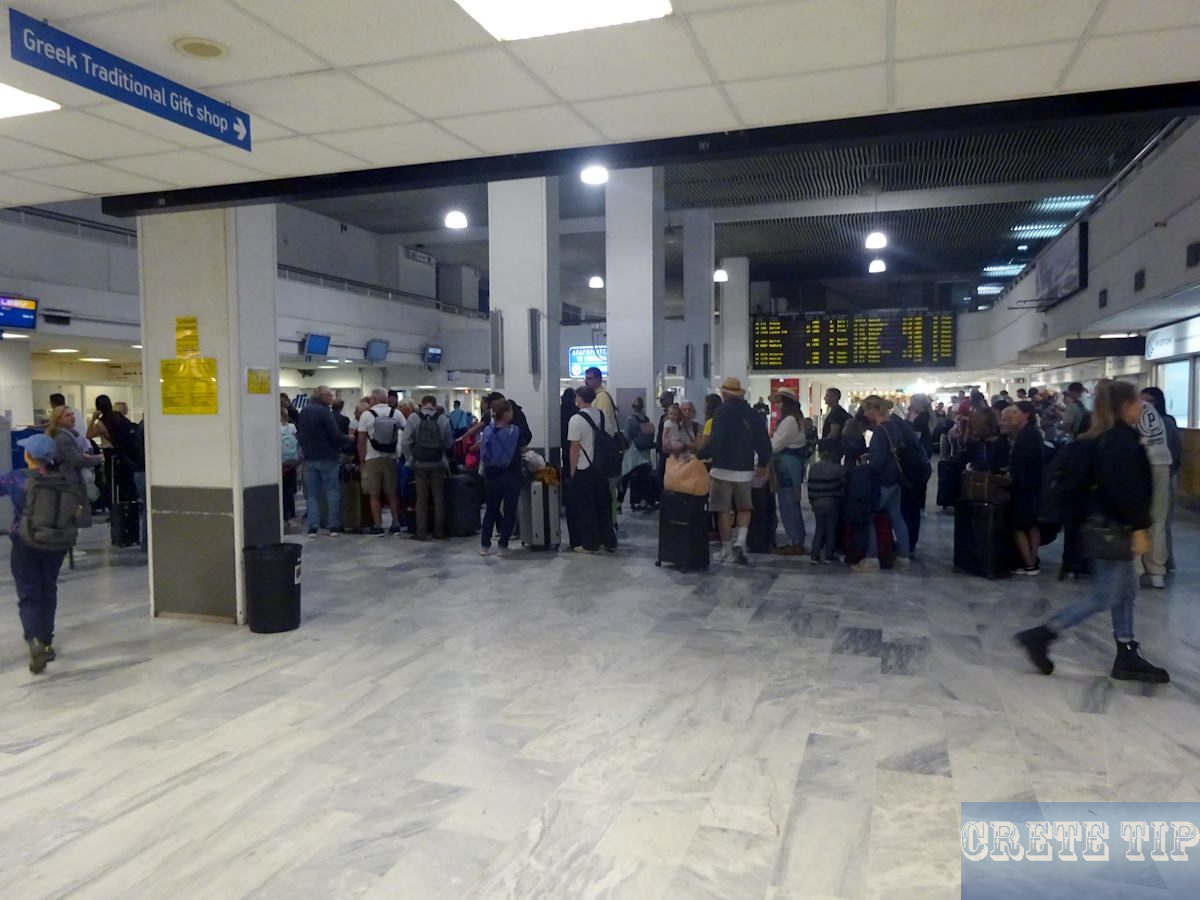
The president of the industry association says that Greece has significantly exceeded expectations. Over 40 million arrivals and high revenues speak for themselves.
The leadership demands that we not only react, but actively set the pace. He is focusing on a long-term orientation – a kind of ‘compass’ strategy for the coming years.
The direction: more visitors, but also better offers, less seasonality and better regional distribution. The goal remains sustainable growth without overloading the infrastructure.
Key points of the strategy:
- Investments in transport and accommodation must be made more quickly so that capacity can keep pace with demand.
- Quality before quantity: better services, more modern facilities and more training for staff.
- Regional relief: promotion of destinations outside the high season and development of new tourism products.
Economic potential and conditions:
- Greece can expand its market position with targeted measures. Forecasts predict further growth in visitor numbers and revenue.
- Without expansion and modernisation, bottlenecks will arise, especially in summer.
- Infrastructure projects, digital solutions and sustainable mobility concepts are key to successful growth.
Sustainability plays a central role:
- Being a role model also means taking ecological and social aspects into account. Sustainable practices should be more firmly established.
- This includes greater energy efficiency in hotels, better waste management, protection of sensitive natural areas and promotion of local value creation.
- Such steps maintain the quality of life locally and strengthen the image as a responsible travel destination.
Practical measures that have a rapid impact:
- Expand and modernise airports, ports and roads.
- Promote off-season offers such as cultural, health and active tourism.
- Support small and medium-sized businesses through support programmes and further training.
- Digitise booking and information systems to better manage visitor flows.
Benefits for the local economy:
- Higher revenues secure jobs and create new ones.
- Better infrastructure improves quality of life and makes the region more attractive to investors.
- More diversity in offerings reduces dependence on hotspots and balances differences between regions.
Risks to avoid:
- Uncoordinated expansion quickly leads to overcapacity or environmental damage.
- If investment is lacking, there is a risk of bottlenecks and loss of quality.
- Short-term profit-seeking by individual players damages the overall picture, for example through price dumping at the expense of service and sustainability.
A framework for cooperation:
- The public sector, private sector and local communities must work more closely together.
- Clear priorities and transparent planning processes make implementation easier.
- Common goals and measurable indicators help to monitor progress and make adjustments where necessary.
Visual representation (simplified overview):
Area | Short-term measures | Long-term goal |
|---|---|---|
Infrastructure | Airport expansions, improved ferry connections | Capacity for growing visitor numbers |
Quality | Training programmes, certifications | Higher level of service |
Seasonality | Off-season packages, events | More consistent visitor flows |
Sustainability | Energy and waste projects | Protection of nature and image |
The message remains clear: with targeted planning and investment, the aim is not just to keep up, but to lead the way.
Implementation requires systematic work, money and clear priorities. If this works, tourism can grow and remain stable without overburdening resources.
Tourism and infrastructure: two speeds
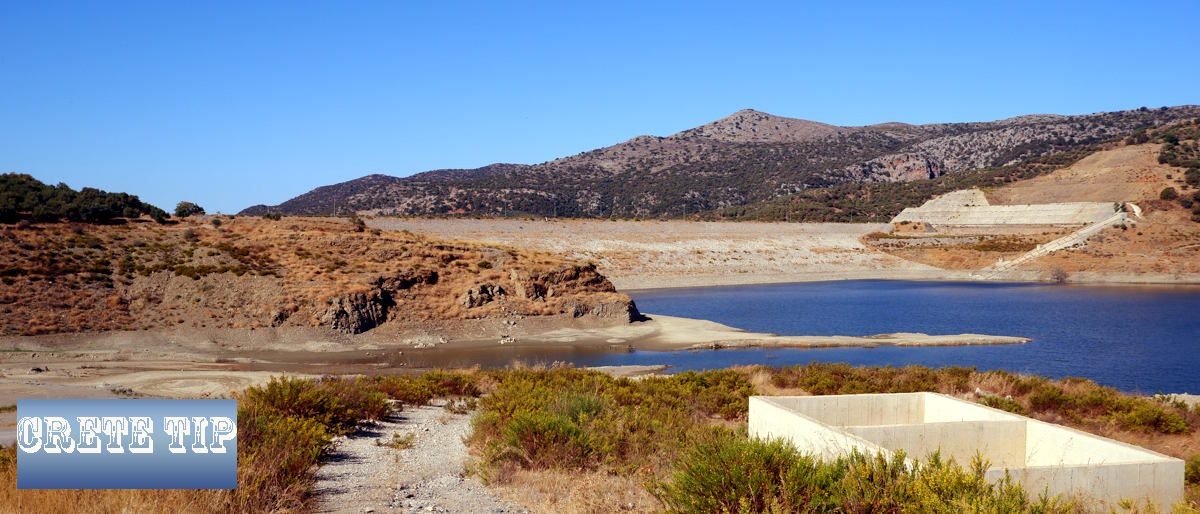
In recent years, tourism has grown much faster than the basic infrastructure. Private investors have focused primarily on new, often luxurious accommodation.
The proportion of upmarket beds has increased significantly. Short-term rentals have grown rapidly and are spreading everywhere.
However, important services are lagging behind. Energy supply, drinking water, waste disposal and local transport systems are simply not receiving the same level of funding.
Administration and services are also unable to cope with the influx of visitors. Only air transport has actually seen a little more expansion and modernisation.
This dichotomy is particularly evident on the islands. Many island regions account for a large proportion of tourism, but are particularly vulnerable when infrastructure is lacking.
Visitor numbers on many islands are very high. Supplies and transport quickly reach their limits.
Significant consequences of the asymmetry:
- Overloaded local networks and supply bottlenecks.
- Higher costs for municipalities to cope with seasonal peaks.
- Greater impact on the environment and landscape due to poor waste and water logistics.
- Growing problems in the housing markets due to short-term rentals.
Simply visualised:
Area | Development in tourism | State of infrastructure |
|---|---|---|
Accommodation market | Strong expansion, many luxury beds | Not directly affected, private sector dominates |
Short-term rentals | Rapid growth | Pressure on housing, little regulation |
Energy | Higher consumption | Underinvestment in local networks |
Water & sewage | Increased demand | Supply gaps at peak times |
Waste management | Increased volume | Logistics and disposal often inadequate |
Local mobility | Greater traffic flows | Poorly developed local public transport |
Air transport | Well developed | Positive counterbalance to other deficits |
The pressure is increasing not only because of visitor numbers, but also because of the spatial concentration of growth. Where the hotel industry and short-term rentals are booming, local authorities need to react quickly.
Investments in roads, water pipes, sewage treatment plants and waste disposal systems require planning and money. Often, however, they simply cannot keep up.
Political and economic decision-makers are faced with difficult questions: How can investments be distributed fairly between the mainland and the islands? What rules can limit the side effects of short-term rentals?
How can sustainable infrastructure be promoted without stifling the private sector? There are no easy answers.
Currently, stricter rules for holiday homes, support programmes for local networks and incentives for private investment in supply technology are being discussed. On the islands, a mixture is usually needed: short-term solutions for the season and long-term projects for greater resilience.
Tourism stakeholders, local authorities and central government must work more closely together. Only then can high visitor numbers and stable infrastructure be reconciled in some way.
This remains a real challenge. Growth and supply often proceed at completely different speeds – something that locals and visitors alike notice.
Regions and cities: Crete and Athens at different stages of maturity
In 2025, Crete will see a clear shift away from purely summer tourism. The island will see more arrivals and will now be busy almost all year round.
Spring and autumn will now bring noticeably more visitors. This will make the season in Crete longer and more stable.
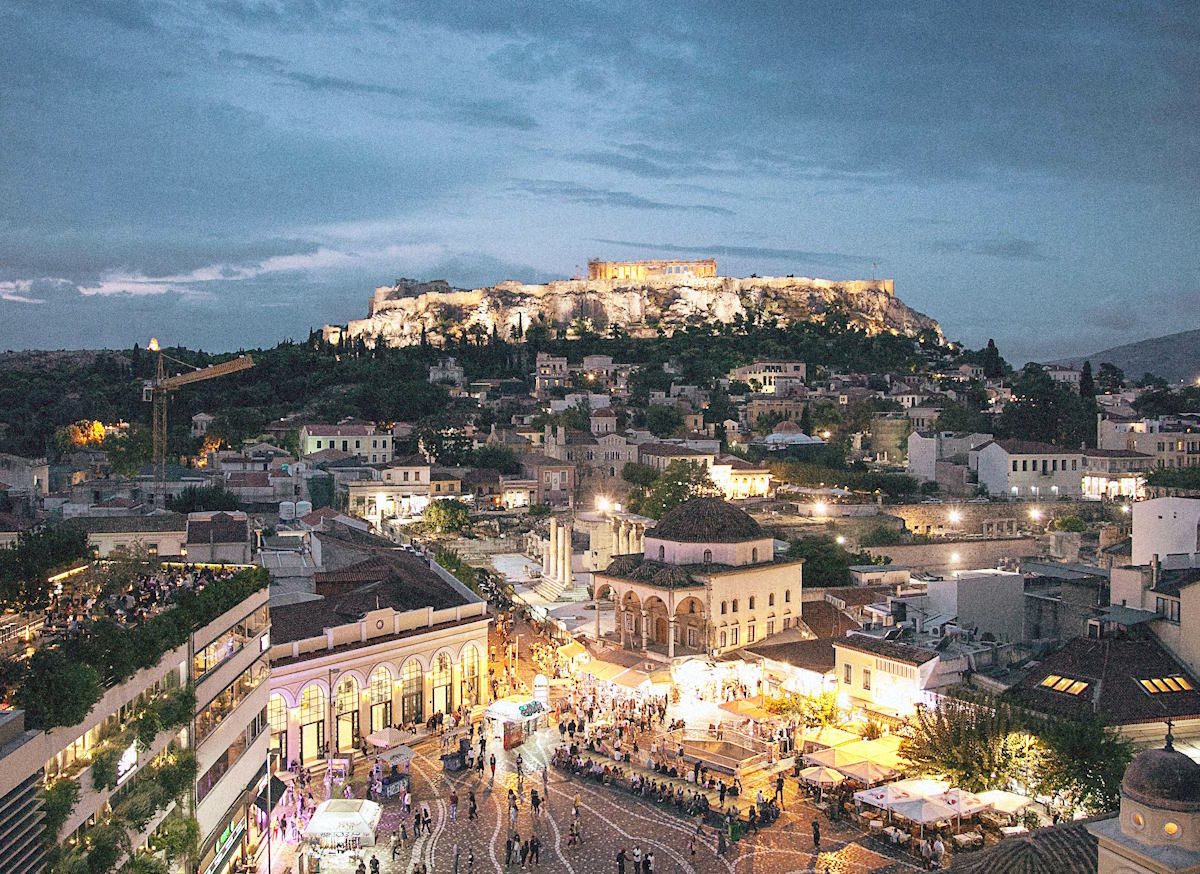
Athens is also ending the year on a positive note, but with a different focus. The city is continuing to build its reputation as an international city tourism destination.
The focus here is on everyday issues: accessibility, public transport, cleanliness and use of public space. All of these factors influence the quality of life for residents and visitors alike.
Differences in what’s on offer
- Crete focuses on weather-dependent, nature-based activities such as hiking, cultural tours outside the bathing season and local gastronomy in spring and autumn.
- Athens scores with urban experiences: museums, culinary scenes, events and short city breaks that appeal to many markets.
Economic impact
- In Crete, the longer season ensures more stable income. Hotels and service providers can plan staffing and turnover more effectively.
- In Athens, demand for infrastructure and service quality is increasing. This has a long-term impact on investment and city management.
Local challenges
- Crete
- Infrastructure must be adapted to longer seasons – for example, with adjusted opening hours and better transport connections.
- Ensure sustainability so that natural and cultural assets are not overused.
- Athens
- Maintain a balance between tourism growth and the everyday lives of residents. Tourism must not be allowed to negatively impact life in the city.
- Improve daily services: transport, cleanliness, safety.
Practical measures that could help
- More flexible transport connections between the high and low seasons – for example, extended lines or seasonal timetables.
- Targeted marketing and events to promote local offerings outside the high season.
- More investment in city infrastructure to relieve pressure on heavily frequented areas: parking space management, cleanliness campaigns, more pedestrian zones.
- Training for service providers to ensure consistent service quality throughout the year.
Comparative table (condensed)
Topic | Crete | Athens |
|---|---|---|
Season length | Becoming longer (spring–autumn) | More balanced throughout the year |
Main attractions | Nature, coast, regional attractions | Culture, museums, city experiences |
Most urgent needs | Sustainable off-season strategy | Everyday infrastructure and services |
Economic impact | More stable revenues, better personnel planning | Increased infrastructure costs, higher service requirements |
Social consequences
- Crete can offer more stable jobs if the off-season offering grows. However, communities and businesses must remain flexible to achieve this.
- In Athens, pressure on housing and transport is increasing. If waste disposal or local transport cannot keep up, the everyday experience for everyone suffers.
Short-term priorities
- Crete: Organise events to extend the season, strengthen local business networks.
- Athens: Review local transport capacity, improve cleanliness and accessibility.
Long-term considerations
- Crete should expand sustainable offerings and preserve local identity.
- Athens must view tourism as part of the urban system. Planning should take residents and visitors into account together.
Visual ideas for communication
- Maps showing seasonal activity times indicate when which regions are attractive.
- Short info boxes for travellers: transport options, quiet times, tips for sustainable behaviour.
- Graphics showing revenue over the year make seasonal effects visible.
Vasilikos’ warning: ‘Everything can be turned upside down overnight’

Alexandros Vasilikos does not see any immediate warning signs for Greek tourism at the moment. The figures for available capacity and bookings appear stable.
Nevertheless, the industry is operating under great uncertainty. External risks such as the war in Ukraine and tensions in the Middle East are looming large.
Such factors can quickly disrupt travel plans. Economic problems in Europe increase the risk of an abrupt decline in demand.
Vasilikos says that the real problem is not limited to one year. He prefers to look at the next ten years, until 2036.
The challenges are structural. Short-term measures will not get us very far.He includes the resilience of travel destinations and their infrastructure. We need to honestly assess how many visitors a place can accommodate without ruining the environment or quality of life.
Sustainable capacity limits and recovery cycles need to be on the agenda. Otherwise, everything will collapse at some point.Staffing also remains a major issue. The sector is struggling with a shortage of skilled workers and high turnover.
Without better training, career paths and working conditions, the problem will persist. This weakens quality, especially in difficult times.Short-term rentals do not make things any easier. Vasilikos sees conflicts between the housing market and tourism.
Unregulated short-term offers can upset the balance of rental prices and neighbourhoods. He therefore calls for clearer rules and instruments to balance tourism and housing.Digital transformation is becoming increasingly important. Hotels and destinations need modern systems for booking, administration and sustainability.
Without investment in technology, businesses will quickly fall behind. Digitalisation also helps to react more quickly in crises and make data-based decisions.
Family-run hotels need special support. Small, family-run businesses are often more flexible, but also more vulnerable.They have fewer reserves for investment or downturns. Support programmes, advice and access to financing could help.Vasilikos warns against being misled by current figures. A sudden geopolitical or economic shock can turn everything upside down ‘overnight’.
He calls for strategic planning that covers the following areas:
- Sustainable capacity planning and protection of travel destinations
- Measures to combat skills shortages (training, working conditions)
- Regulation and balance in short-term rentals
- Investment in digital infrastructure and data usage
- Targeted support for family hotels
Such steps take time. Quick fixes are not enough.Only a coordinated policy between the government, businesses and local communities can create a roadmap that combines growth and stability.
The message remains clear: there are currently no obvious warning signs. But geopolitical tensions and economic pressures can change everything quite quickly.Those who fail to plan now may have to make laborious improvements later.
Short-term rentals: From boom to maturity
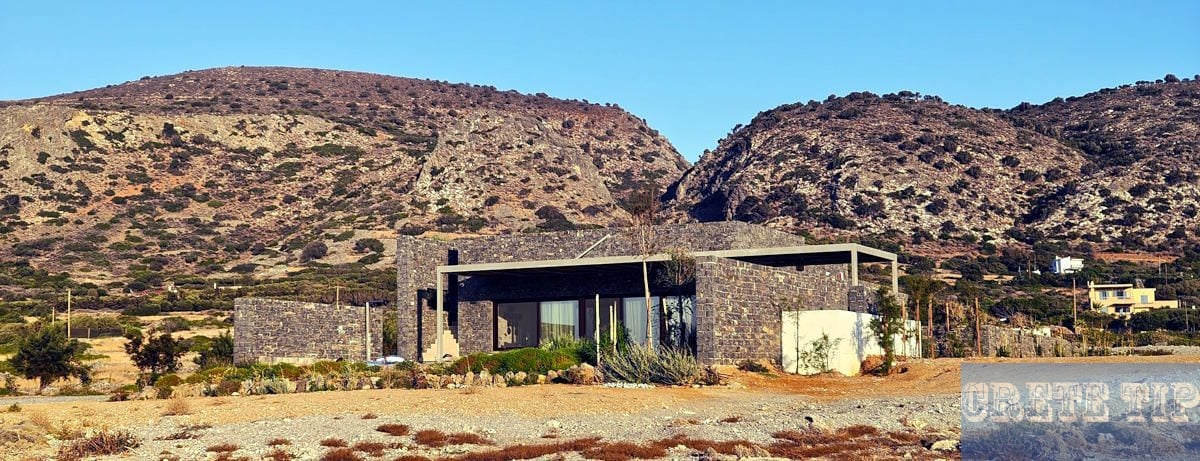
Short-term rentals in Greece have undergone a transformation. Now it’s less about quantity and more about quality and sustainability.Providers and regions need to rethink their approach. Overcrowded destinations need relief, and more professional standards are becoming increasingly important.Key trends and challenges:
- Supply saturation: Plenty of flats and beds mean fierce competition. This puts pressure on prices and can have a negative impact on local life.
- Quality improvement: Guests expect reliable services. Cleanliness, fast communication and transparency are more important than ever.
- Regulation and control: Local authorities are taking action more often. There are zones with restrictions and more controls on violations.
- Professionalisation: Digital administration, channel management and automated check-ins are becoming standard.
Recommended measures for those responsible:
- Supply management: Where there is too much competition between accommodation providers, bundling or reduction is advisable. This reduces price pressure and improves occupancy rates.
- Investment in service: Small renovations, better facilities and genuine hospitality pay off. Guests rate honest hosts more highly.
- Use of technology: Automated systems for booking, cleaning and communication save hassle and ensure consistent quality.
- Cooperation with authorities: Those who proactively observe local rules avoid trouble with neighbours and authorities.
- Sustainability measures: Saving energy and water is well received and reduces costs.
The market is moving away from pure growth. The focus is now on sustainable stability.
Those who invest in service quality and digital processes will secure better occupancy rates in the long term. And the risks posed by new regulations will be reduced.
Investments, new openings and the coming year 2026

2025 brought many new openings and major investments in regions such as Crete, Corfu, Thessaloniki and Karpathos. These projects set new standards for luxury and increased demand for local jobs.
For 2026, the focus is on some particularly large investments. In Crete, a resort with an investment volume of over 125 million euros is about to open.
The facility is expected to attract more guests, longer stays and additional revenue. At the same time, a well-known hotel on the east coast is getting a new premium image through a repositioning project.
In Athens, a large hotel project with hundreds of rooms, suites and branded apartments will start in spring 2026. The goal: to create an urban meeting place that combines hotel services with residential and commercial space.
Such packages combine tourist offerings with long-term residential concepts. They open up new sources of income.
Nevertheless, there are still construction sites in the cities. In some neighbourhoods, poor infrastructure, broken pavements, a lack of cleanliness and unpleasant odours are noticeable.
This has a direct impact on the quality of the stay. Investors and city administrations must therefore invest not only in buildings and services, but also in public spaces.
The most important points in brief:
- Large resorts and repositioning strengthen the offering.
- Urbanised hotel projects combine hospitality with residential and commercial use.
- High investments create jobs, but also increase pressure on infrastructure.
- Weaknesses in public spaces can slow down investments.
Simply structured facts:
Topic | Impact |
|---|---|
Large-scale project in Crete (€125 million+) | More tourism, economic stimulus for the local area |
Brand repositioning on the east coast | Higher price level, new target audience |
Large hotel project in Athens | Urban hub, branded residences |
Urban infrastructure | Influences guest experience and investment success |
Investors are now watching closely to see how authorities and operators respond. If the quality of life improves, projects will remain profitable.
Otherwise, high costs, reputational damage or poor occupancy rates could reduce profits.
Airports, water scarcity and the big deficit

The major airports and some regional airports are facing huge investments. The main airport wants to expand its modern facilities, while operators want to invest more money in infrastructure and passenger comfort.
A new regional airport is currently under construction. It is intended to reduce the pressure on older, often poorly maintained facilities.
Many small regional airports, on the other hand, are in poor condition. Some terminals are in urgent need of renovation, and the security and maintenance systems are quite outdated.
Efficiency often falls short of expectations. A tendering process is underway to find out which operators and models are viable.
The water problem is growing in many tourist areas. Islands and arid regions regularly experience water shortages.
Supply systems quickly reach their limits during the high season. Consumption then rises, leading to rationed supplies and higher costs.
This puts additional pressure on local authorities. Municipal budgets have shrunk significantly in recent years.
Many municipalities have hardly any funds left for investment in water infrastructure or airport maintenance. It is becoming increasingly difficult to plan and implement sustainable solutions.
Administrative practices also play a role. To be honest, some municipalities seem somewhat inexperienced in tourism management.
There is often a lack of a coordinated strategy for visitor flow, environmental protection and infrastructure maintenance. This exacerbates problems such as overuse of water and lack of maintenance of public facilities.
Popular travel destinations face a real conflict of objectives. They generate income, but are particularly susceptible to overuse.
On some islands, many people criticise the visible problems. At the same time, it is easy to forget how important these places are economically.
Financial bottlenecks affect air transport and water management equally. Investors are looking closely: lucrative airports find it easier to obtain funding, while rural locations often fall by the wayside.
Water supply usually requires large, coordinated investments. Individual municipalities can rarely manage this on their own.
Technical modernisation, better planning and targeted financing could help. Modern water treatment, storage solutions for dry periods and structured maintenance plans for airports are examples.
Public-private partnerships could close budget gaps, provided that the objectives are clear and the contracts are transparent.
The challenge for the coming day
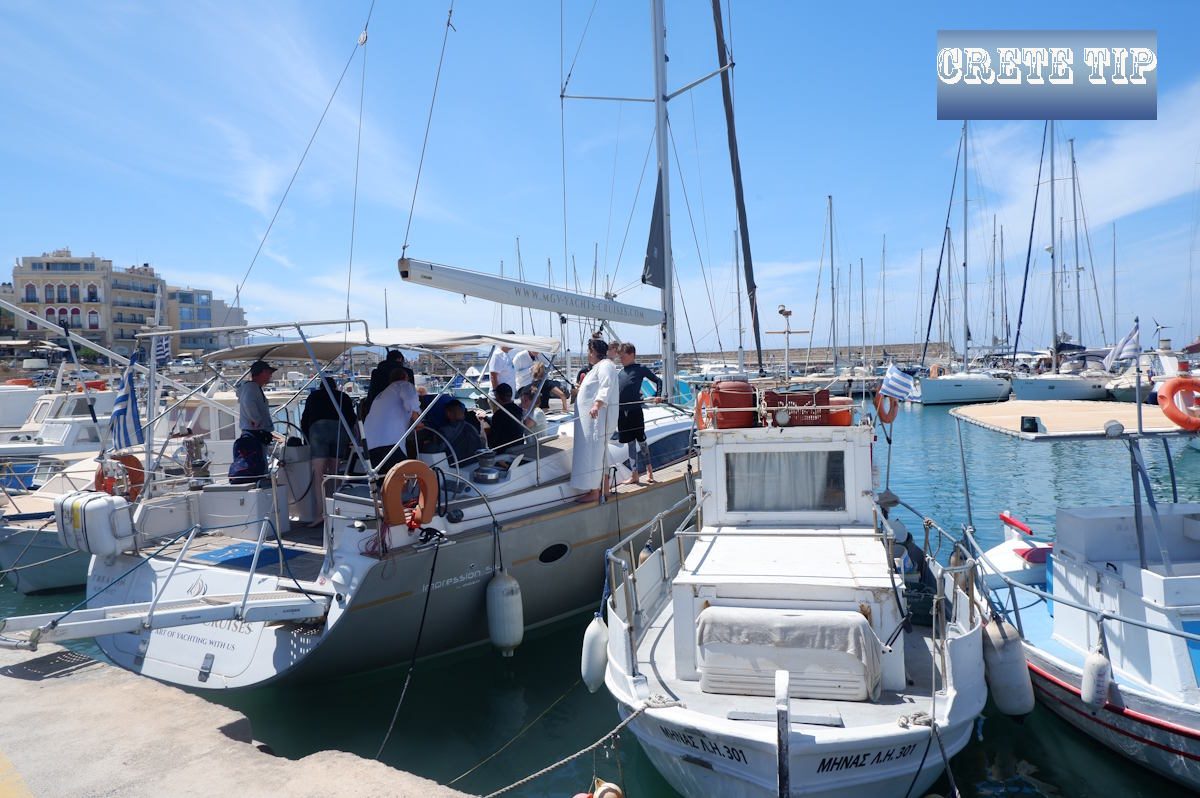
Tourist numbers remain high, but in 2026 it becomes apparent that demand is becoming more price-sensitive. Many book directly, but spend less money.
Growth is slowing down, but not collapsing. Important construction projects are no longer limited to the season, but will continue throughout the next decade.
Without stable infrastructure, sufficient water and adequate staffing, everything can quickly become fragile. These factors determine whether a place will function in the long term or not.
The quality of life on site is becoming increasingly important. If islands or places do not meet the daily needs of their residents, there will inevitably be friction with tourism.
This has a direct impact on the image among guests. And let’s be honest: those who feel uncomfortable rarely come back.
Digitalisation and efficiency are now basic requirements. Better booking systems, transparent prices and digital services make things easier for guests and businesses.
This saves costs and ensures more satisfied visitors. Sustainability is no longer optional, but mandatory.
Saving energy, waste management and protecting sensitive ecosystems help to preserve attractiveness and resources. Ultimately, this also pays off economically.
Sustainable capacities must be continuously monitored and controlled. This applies to transport routes, water and waste infrastructure and the number of overnight accommodation places.
Clear limits prevent overloading. This is the only way to maintain quality.
Personnel policy is a key factor. Fair wages, training and further education, as well as incentives for seasonal workers, ensure that urgently needed skilled workers are available.
Without motivated employees, the offering immediately suffers. Financing and planning require patience and perseverance.
Short-term profits must not take precedence over investments that stabilise regions in the long term. Public and private funds should be used in a targeted manner.
Here is a quick list of priorities:
- Improve water and wastewater management
- Expand digital booking and information services
- Strengthen recruitment and training
- Introduce environmental and waste management concepts
- Check and communicate capacity limits
Brief overview in a table:
Area | Specific measure | Effect |
|---|---|---|
Infrastructure | Maintenance of roads, ports | Fewer disruptions, better accessibility |
Water | Storage, network modernisation | Security of supply |
Personnel | Training programmes | Better service, less staff turnover |
Digital | Standardised booking portals | Transparent prices, easier access |
Environment | Waste separation, protected areas | Long-term appeal |
Small businesses benefit significantly from cooperation. Joint marketing campaigns, booking tools and the exchange of experiences create synergies.
This reduces costs and makes them more visible. Communication with guests is also crucial.
Clear information about prices, rules and local offers ensures realistic expectations. Satisfied guests are more likely to recommend you to others, that’s just the way it is.
The next steps should remain pragmatic. Setting priorities, launching pilot projects and measuring success – it sounds simple, but it is often the best way forward.
Politics and business must work together. Without coordinated strategies and reliable framework conditions, many opportunities simply remain untapped.



