

Recent rainfall has boosted Crete’s water supply, but there is no cause for complacency: the potable water from the Almyros River near Heraklion is still flowing unused into the sea; rainfall in Crete has fallen by up to 59% over the last three years; and the ground beneath the Messara Plain and Lasithi is subsiding due to over-pumping.
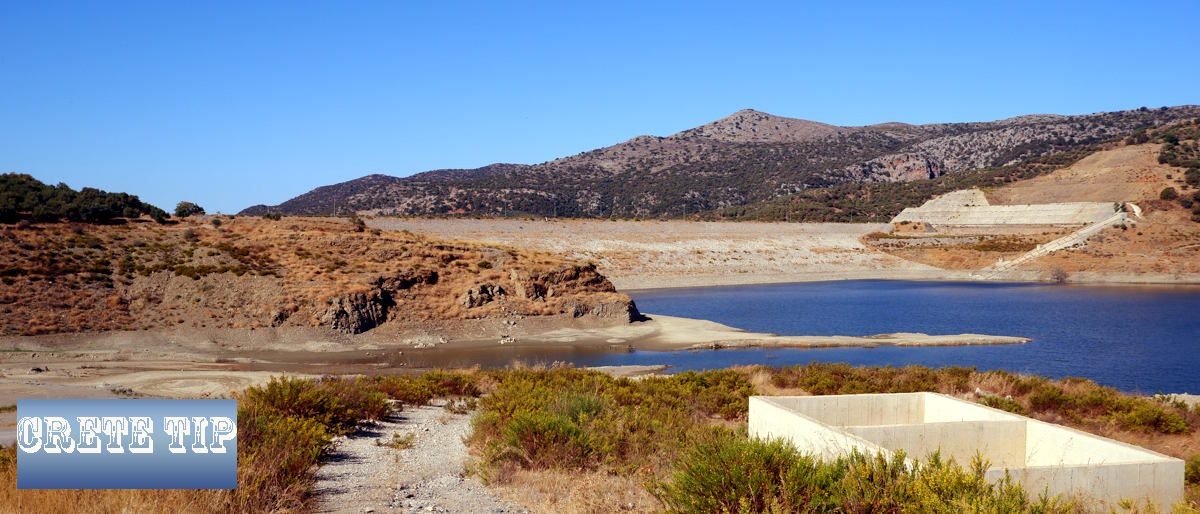
A “Gift from Heaven”: Recent Rains Resurrect Crete’s Water Supply as Aposelemis Dam Surges
After four consecutive years of relentless drought, Crete is finally breathing a sigh of relief. The sight of water once again rushing through the landscape from Avdou and Gonies toward the Aposelemis Dam has been described by locals and officials alike as nothing short of a “gift from heaven”.
A Turning Point for the Island’s Water Crisis
For years, the island has struggled with an arid climate, dominated by south winds and heavy layers of African dust. This prolonged dry spell had left the Aposelemis Dam—a critical water source for major Cretan cities—at dangerously low levels. However, the recent heavy rainfall has dramatically shifted the narrative, sparking a wave of cautious optimism regarding water sufficiency for the upcoming summer.
According to Thodoris Ninos, who oversees the management of the Aposelemis Dam, the change in the reservoir’s status is spectacular. Speaking to Cretalive, he noted that the inflow of water has been consistent and powerful since Saturday afternoon.
Surpassing Safety Limits
The recovery of the reservoir is moving at an impressive pace. Key milestones include:
* The 4 Million Mark: The safety threshold of 4 million cubic meters is expected to be surpassed within the next few hours.
* Weekly Projections: By the end of this week, estimates suggest the reservoir will exceed 6.5 million cubic meters.
* Recent Inflow: Since the rains began in earnest last Saturday, approximately 2 million cubic meters of water have already entered the dam.
Collaborative Management for a Secure Summer
This environmental breakthrough is not just a stroke of luck; it is being met with improved management strategies. The Aposelemis Dam administration is working in close coordination with the Municipal Water and Sewerage Companies (DEYA) of Heraklion, Hersonissos, and Agios Nikolaos to ensure the water is distributed efficiently and sustainably.
While the weather forecasts initially seemed overly optimistic, the reality on the ground has confirmed the predictions. For the local communities that have spent years grappling with the consequences of water scarcity, the sight of the water’s “impressive journey” back into the dam is a powerful symbol of relief.
As the island prepares for the peak tourism season, this sudden influx of water provides a much-needed safety net, ensuring that Crete remains resilient in the face of a changing climate.
A Liquid Gold Mine Wasted: Why Heraklion’s Drinkable Almyros Water is Flowing into the Sea

In a region where every drop of water is precious, a startling paradox is unfolding just outside Heraklion. While Crete has spent years grappling with drought and water scarcity, millions of cubic meters of high-quality, drinkable water from the Almyros River are currently flowing directly into the sea, unused.
The Phenomenon of the Almyros Spring
The Almyros of Heraklion is one of the most significant karstic springs in the Mediterranean. For most of the year, the water is brackish (salty) due to the intrusion of seawater into the coastal aquifer. However, during the winter months and periods of heavy rainfall, the surge of fresh water from the Psiloritis mountain range increases the spring’s pressure.
This pressure effectively “pushes back” the seawater, turning the river’s flow into fresh, potable water. According to recent reports, the water is currently at its peak quality—pure enough to drink—yet the lack of adequate infrastructure means this “liquid gold” is being lost to the Mediterranean.
A Massive Opportunity for Heraklion
The sheer volume of water produced by the Almyros is staggering. With an average annual discharge of approximately 235 million cubic meters, the spring produces more than enough water to meet the total needs of the greater Heraklion area and its surrounding municipalities.
During these high-flow periods, the river becomes a vital resource that could:
* Replenish Reservoirs: Supplement the Aposelemis Dam and other local storage facilities.
* Reduce Costs: Provide a natural source of fresh water that doesn’t require expensive desalination or complex treatment.
* Ensure Summer Security: Act as a buffer for the dry summer months when tourism peaks and water demand skyrockets.
The Infrastructure Gap
Despite the clear benefits, the current management of the Almyros remains a point of contention. Local authorities and environmental experts have long called for more sophisticated pumping and diversion systems that can “catch” the water during its fresh-water window.
Currently, while some water is utilized, a vast majority of the discharge feeds the Almyros wetland—an area of great ecological importance—before emptying into the Gulf of Heraklion. While the wetland must be preserved, critics argue that a balanced management plan could both protect the ecosystem and secure the city’s water future.
Looking Ahead
As Crete recovers from a multi-year drought thanks to recent “gifts from heaven” in the form of rain, the situation at Almyros serves as a stark reminder. Nature provides the resources, but without the right infrastructure and forward-thinking management, those resources remain just out of reach.
For the residents of Heraklion, seeing fresh water disappear into the salt of the sea is a difficult sight to stomach, especially when the next dry spell is never far away.
Crete’s New Hydrological Reality: Rainfall Plummets by up to 59% in Three-Year Drought
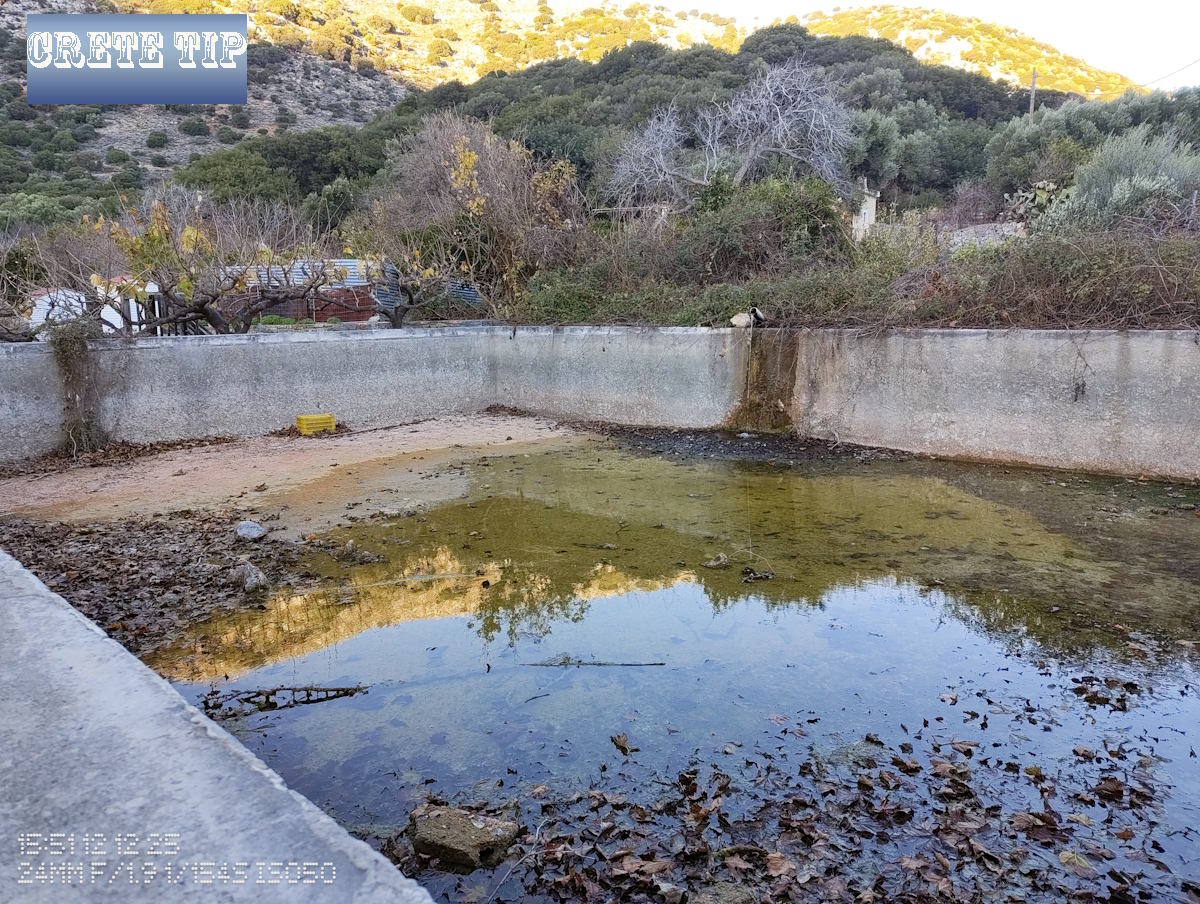
Crete is facing one of its most critical water balance periods in recent history. New data covering the three-year span from 2023 to 2025 reveals a dramatic—and in some areas, catastrophic—reduction in rainfall across the island. According to a memorandum from the Association of Olive-Growing Municipalities of Crete (SEDIK), drought is no longer a temporary phenomenon but a “new reality” for the island.
A Map of the Decline: Regional Statistics
The report, sent by SEDIK President and Mayor of Platanias, Giannis Malandrakis, to the Ministry of Rural Development, paints a grim picture when comparing recent figures to the 2011–2020 decade average. In many regions, water losses have exceeded 40%, with some areas seeing a decline of nearly 60%.
* Lasithi: The hardest-hit region. Ierapetra recorded the largest drop on the island at -59%, followed by Sitia at -44%.
* Heraklion: Significant shortages are evident, with Heraklion city seeing a -58% decrease and Stavrakia at -44%.
* Rethymno: Areas like Fragmata (-42%) and Anogeia (-34%) show intense lag, with only Spili remaining near normal levels.
* Chania: Reductions range from -8% in Kantanos to -40% in Kolymbari and Alikianos.

The Threat of “Cumulative Pressure”
The most alarming aspect of these findings is not just the magnitude of the decrease, but its duration. Because the rainfall deficit has persisted for three consecutive years, Crete’s natural “water banks”—its dams, aquifers, and underground water tables—have had no opportunity to recover. This creates a state of cumulative pressure that threatens the island’s long-term water security.
Impact on the “Liquid Gold” of Crete
As an organization focused on olive oil production, SEDIK highlights the devastating impact on agriculture. The lack of water, combined with rising average temperatures, is creating severe stress for olive trees. This affects:
1. Fruit Setting: Trees are struggling to develop fruit properly.
2. Oil Quality: The drought is leading to a degradation of the qualitative characteristics of Cretan olive oil.
3. Production Costs: Farmers are becoming increasingly dependent on irrigation networks, driving up costs and further straining available resources.
Beyond the Farm: Tourism and Ecosystems
The crisis extends far beyond the primary sector. In a region heavily reliant on tourism, the peak summer months bring a massive surge in water demand. With rainfall hitting record lows, the pressure on the water supply for hotels and coastal municipalities is reaching a breaking point. Furthermore, experts warn of an increased risk of desertification in dry zones and a threat to the island’s delicate ecosystems.
A Call for Urgent Action
The data from 2023–2025 leaves no room for complacency. Local leaders are calling for a comprehensive national plan that includes:
* Upgrading aging irrigation infrastructure.
* Implementing strict water-saving measures and rational usage.
* Adapting crop varieties to be more resilient to arid conditions.
Crete is entering a new hydrological era. Without immediate intervention and a shift in how the island manages its most precious resource, the “dramatic reduction” seen today could become a permanent scar on the island’s economy and landscape.
The Ground is Sinking: New Study Warns of Dramatic Groundwater Collapse in Messara and Lasithi

A alarming new scientific study has revealed that the earth beneath one of Crete’s most productive agricultural regions is literally “receding.” The research, titled “Groundwater Overexploitation and Land Subsidence in the Messara Basin, Crete,” published in the journal Land, highlights a dangerous link between the exhaustion of underground aquifers and the physical sinking of the terrain.
Messara: The Epicenter of the Crisis
The Messara Plain in Heraklion is a powerhouse of Greek agriculture, dominated by olive groves and greenhouses. However, this productivity has come at a steep environmental cost. According to the study, Messara is home to 46.3% of all deep boreholes in Crete, with a staggering 2,474 recorded wells.
This intensive pumping has led to two critical consequences:
1. Land Subsidence: As water is sucked out of the earth, the geological formations compress. This causes the ground in certain parts of the basin to sink, a phenomenon known as subsidence.
2. Aquifer Depletion: The water level is dropping at a dramatic rate, a situation made worse by the recurring periods of drought.
The Struggle in Lasithi
While Messara faces the most intense pressure from drilling, the problem has crossed over into the Lasithi prefecture. Although there are fewer boreholes in Lasithi, the groundwater levels are still falling. Local reports indicate that many natural springs in the Merambello area have yet to “open” this season, signaling that the underground reservoirs are not being replenished.
Why “Karstic” Aquifers Matter
The study sheds light on the importance of karstic aquifers—underground “storage rooms” within cracked rocks and cavities where water travels like an underground river. Famous examples include the Almyros springs in both Agios Nikolaos and Heraklion. When these “storage rooms” are emptied faster than they can refill, the structural integrity of the ground above is compromised.
A Fragmented Response
One of the most concerning findings of the research is that water management in Crete remains “fragmented.” There is currently no unified framework for sharing data between the various agencies responsible for water oversight.
To prevent the damage from becoming irreversible for the local economy and environment, the researchers propose several urgent measures:
* Telemetry Systems: Installing modern monitoring networks to track water levels and quality in real-time.
* Sustainable Irrigation: Moving away from high-waste watering methods in agriculture.
* Surface Infrastructure: Strengthening dams and other surface water projects to reduce the total reliance on underground pumping.
The Bottom Line
The message from the scientific community is clear: Crete is emptying its “underground banks,” and the ground itself is paying the price. If immediate action isn’t taken to balance agricultural needs with environmental limits, the very land that sustains the island’s economy may continue to slip away.



