

Newsflash from Friday, 15 May 2026:
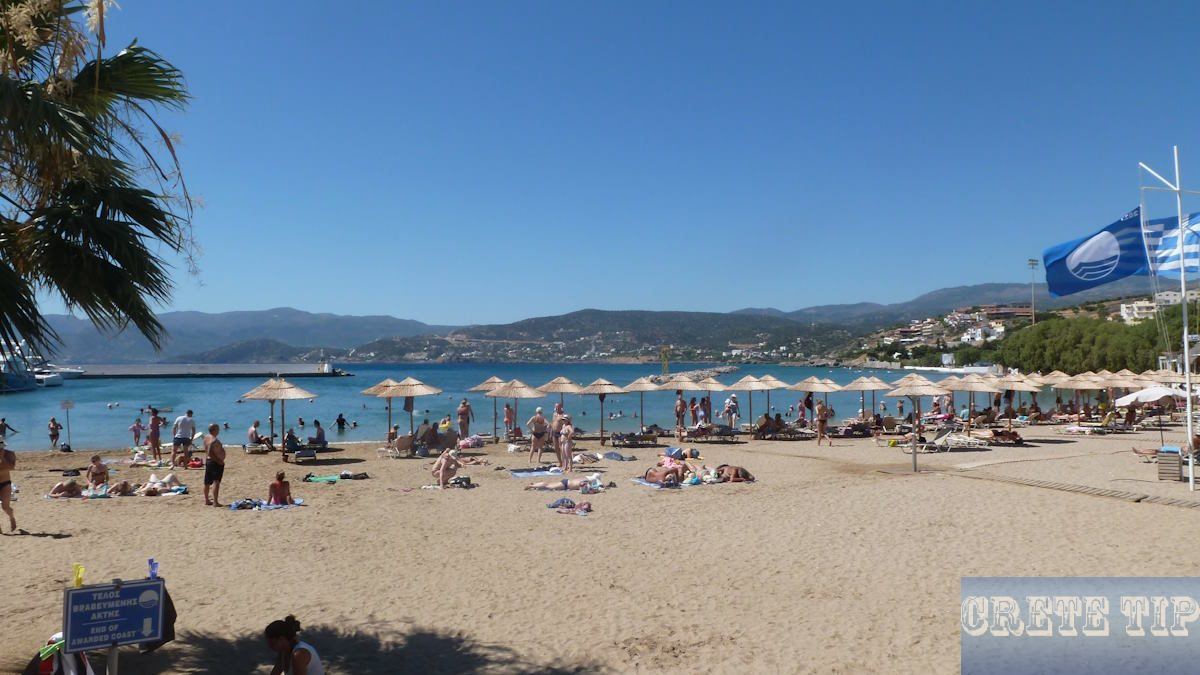
Greece has once again demonstrated its commitment to beach excellence and environmental stewardship, securing the second-place position worldwide in the prestigious Blue Flag program for 2026. With a remarkable total of 624 awarded beaches, along with 17 marinas and 17 tourist vessels, Greece continues to set the gold standard for coastal quality across the Mediterranean and beyond.
A Testament to Environmental Excellence
The Blue Flag award stands as one of the most important international environmental distinctions, recognizing only those beaches that meet exceptionally stringent criteria. These standards encompass water quality, cleanliness, swimmer safety, environmental protection, accessibility, and the provision of quality services to visitors.
According to the official announcement by the Hellenic Society for the Protection of Nature (HSPN), the national administrator of the international Blue Flag program, Greece’s 624 awarded beaches represent 14% of all Blue Flag beaches worldwide—a significant achievement among the 51 participating countries in the program.
Crete: The Undisputed Champion

While Greece as a whole shines on the global stage, Crete emerges as the true crown jewel, securing an impressive 154 Blue Flags across its shores. This extraordinary performance consolidates Crete’s position as Greece’s premier beach destination and underscores the island’s dedication to maintaining the highest standards of coastal management and environmental care.
The distribution of Crete’s 154 awards across its four regional units reflects a balanced commitment to excellence across the entire island:
By Regional Unit:
– Lasithi: 52 beaches (plus 1 marina) — the leading district
– Chania: 41 beaches
– Heraklion: 37 beaches
– Rethymno: 24 beaches
This breakdown demonstrates that exceptional beach quality is not concentrated in a single area but is distributed throughout Crete’s diverse coastline, from the westernmost Chania region to the easternmost Lasithi peninsula.
Greece’s Steady Rise in Global Rankings
What makes Greece’s achievement even more remarkable is the consistent upward trajectory the country has maintained over recent years. The number of awarded beaches has steadily increased annually, with 2026 marking another year exceeding the 600-beach milestone.
At the national level, Chalkidiki claims the top position among Greek prefectures with 93 Blue Flag beaches, followed closely by Crete’s exceptional regional performance. This diversity of excellence across different regions demonstrates that Greece’s coastal quality extends far beyond any single destination.
International Recognition and Standards
The 2026 Blue Flag awards, announced on May 14, 2026, were presented at an official ceremony at the Ploes Floating Venue in Piraeus. The event was held under the patronage of the President of the Greek Republic and brought together representatives from government agencies, environmental organizations, and the tourism industry.
Global Statistics for 2026:
– Total awarded beaches worldwide: 4,378
– Total awarded marinas: 747
– Total awarded tourist vessels: 158
– Participating countries: 51
What the Blue Flag Criteria Mean
Beaches earning the Blue Flag must satisfy rigorous requirements including:
✓ Water Quality: Regular testing and monitoring to ensure safety for swimmers
✓ Cleanliness: High standards of beach maintenance and waste management
✓ Swimmer Safety: Lifeguard presence and emergency response capabilities
✓ Environmental Management: Protection of natural ecosystems and wildlife
✓ Accessibility: Facilities and accommodations for visitors with disabilities
✓ Environmental Education: Programs to raise awareness about coastal conservation
Special Recognition for Long-Term Excellence

The 2026 awards ceremony included special tributes to beaches demonstrating exceptional long-term commitment to excellence:
– 18 beaches were recognized for achieving 35 consecutive years of Blue Flag awards
– 1 marina was honored for maintaining the award for 28 consecutive years
– 1 tourist vessel was recognized for 9 consecutive years of excellence
These accolades underscore the sustained dedication of beach managers and local authorities to environmental stewardship and quality service provision.
Looking Ahead: New Standards for 2028
The international Blue Flag program is evolving to meet contemporary environmental challenges. Beginning in 2028, the program will introduce expanded and more rigorous criteria reflecting international demands for enhanced environmental accountability and sustainability practices.
To facilitate this transition, the International Coordination Committee has implemented a two-year transitional award period (2026-2027), reducing administrative burden on beach managers while allowing time for adaptation to the new standards. Annual inspections will continue at all levels, ensuring that the Blue Flag’s integrity remains uncompromised.
Why This Matters for Travelers and the Tourism Industry
For beach enthusiasts and travelers planning their summer getaways, the Blue Flag serves as a reliable “passport” of quality. When you visit a Blue Flag beach, you can be confident that:
– The water meets strict international safety standards
– Facilities are well-maintained and accessible
– Environmental protection is a priority
– Quality services are available to enhance your experience
For Greece’s tourism industry, the Blue Flag designation is invaluable. It distinguishes Greek beaches in an increasingly competitive global tourism market and reinforces Greece’s reputation as a premier Mediterranean destination.
Crete’s Competitive Advantage
With 154 Blue Flag beaches—more than any other Greek region—Crete possesses a significant competitive advantage in attracting environmentally conscious travelers and families seeking safe, clean, and well-managed coastal destinations. Whether visitors explore the dramatic beaches of western Chania, the cosmopolitan shores of Heraklion, the quieter charm of Rethymno, or the exotic coastlines of Lasithi, they can trust that Blue Flag-designated beaches maintain the highest standards.
Conclusion: A Commitment That Spans Generations
Greece’s 2026 Blue Flag achievement reflects more than just statistics—it represents the collective commitment of local governments, beach managers, environmental organizations, and communities to preserve and protect one of their most valuable assets: their coastline.
As climate change and tourism pressures continue to challenge coastal environments worldwide, Greece’s sustained excellence in beach quality management offers an inspiring model. Crete, with its unparalleled 154 Blue Flag beaches, stands as a testament to what is possible when environmental stewardship and tourism development work hand in hand.
For anyone planning to experience Greece’s legendary beaches in 2026, the message is clear: your Blue Flag destination awaits.
Overview of Blue Flag beaches in Crete

Below is the overview of Blue Flag beaches in Crete for 2026 (154 beaches), organized by Regional Unit and Municipality (Community), based on the official announcement of the Hellenic Society for the Protection of Nature.
✅ CRETE – 154 BLUE FLAG BEACHES (2026)
📍 REGIONAL UNIT OF CHANIA (41)
Municipality of Chania
– Agia Marina
– Agioi Apostoloi
– Chrissi Akti
– Kalamaki
– Nea Chora
– Stalos
Municipality of Platanias
– Gerani
– Maleme
– Platanias
– Tavronitis
– Kolymbari
Municipality of Kissamos
– Falassarna (Pachia Ammos)
– Mavros Molos
Municipality of Apokoronas
– Almyrida
– Georgioupolis
– Kalives
Municipality of Sfakia
– Frangokastello
Municipality of Kantanos–Selino
– Palaiochora (Pachia Ammos)
– Grammeno
📍 REGIONAL UNIT OF RETHYMNO (24)
Municipality of Rethymno
– Adelianos Kampos
– Platanes
– Rethymno
– Missiria
– Skaleta
Municipality of Mylopotamos
– Bali (Livadi)
– Bali (Varkotopos)
Municipality of Agios Vasileios
– Agia Galini
– Plakias
– Damnoni
– Triopetra
📍 REGIONAL UNIT OF HERAKLION (37)
Municipality of Heraklion
– Amoudara
– Karteros
– Amnissos
Municipality of Hersonissos
– Anissaras
– Analipsi
– Limenas Hersonissou
– Stalis
Municipality of Malia
– Malia
Municipality of Gouves (Hersonissos area)
– Gournes
– Kokkini Hani
Municipality of Faistos
– Matala
– Kalamaki
Municipality of Malevizi
– Agia Pelagia
– Lygaria
Municipality of Viannos
– Keratokambos
Municipality of Archanes–Asterousia
– Tsoutsouras
📍 REGIONAL UNIT OF LASITHI (52 + 1 Marina)
Municipality of Agios Nikolaos
– Almyros
– Ammoudara
– Kitroplatia
– Havania
– Elounda
– Plaka
Municipality of Ierapetra
– Agios Andreas
– Ierapetra (Municipal Beach)
– Koutsounari
– Makry Gialos
– Myrtos
– Achlia
Municipality of Sitia
– Sitia
– Vai (Palm Beach)
– Kouremenos
– Xerokampos
Municipality of Oropedio Lasithiou
– Tzermiado (Lake area seasonal site)
⚓ BLUE FLAG MARINA IN CRETE (1)
– Agios Nikolaos Marina (Lasithi)
🌍 CRETE LEADS GREECE IN 2026
– Total in Crete: 154 Beaches + 1 Marina
– Lasithi: 52
– Chania: 41
– Heraklion: 37
– Rethymno: 24
Crete once again ranks first nationwide, reinforcing its position as one of the top coastal destinations in Europe.
Sources:
Have you visited a Blue Flag beach in Crete or elsewhere in Greece? Share your experiences in the comments below!



