Next time you’re walking along a Greek beach and notice those brown ribbon-like strips of what looks like seaweed piled up along the shore, stop for a moment. What you’re looking at isn’t trash, and it isn’t algae. It’s the remains of one of the most extraordinary and vital organisms on Earth — and it just might be helping save our planet.
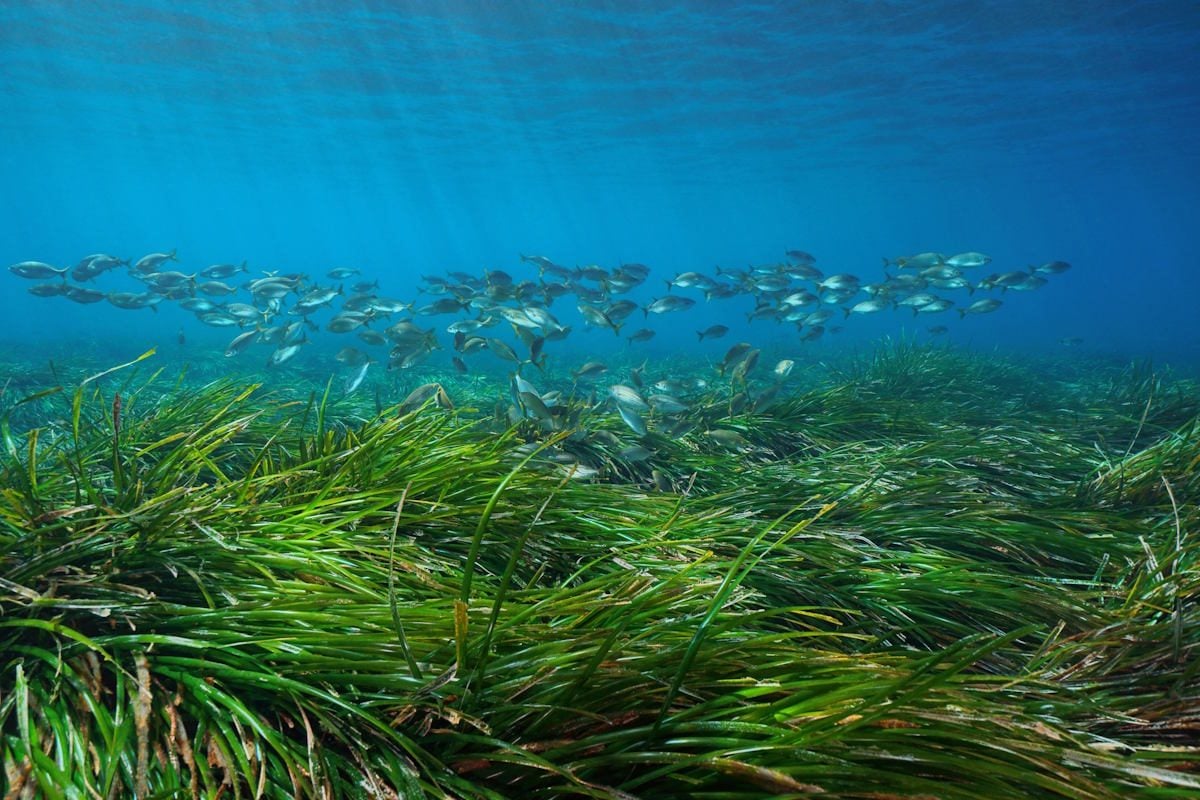
Meet Posidonia oceanica: the plant of Poseidon, the Mediterranean’s most important marine species, and nature’s most underrated superhero.
What Exactly Is Posidonia?
First things first: Posidonia is not seaweed. This is the most common misconception about it. Those brown ribbons washed up on Mediterranean beaches are actually dead leaves from a genuine flowering plant — a true vascular plant classified under Magnoliophyta, Embryobionta, Plantae.
Posidonia oceanica is an endemic species of the Mediterranean Sea, meaning it exists nowhere else on Earth in quite the same form. While it has distant relatives growing in oceans around the globe (with the exception of Antarctica), this particular species is exclusively Mediterranean — making it as iconic to the region as olive trees and terracotta rooftops.
It thrives at depths ranging from just below the surface down to 40 meters, wherever sufficient sunlight penetrates the water to allow photosynthesis to occur.
The Underwater Meadows: Nature’s Hidden Cities
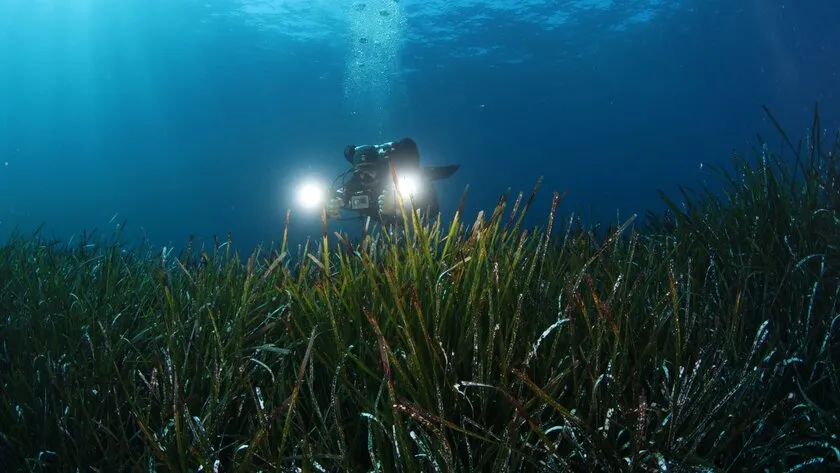
Posidonia doesn’t grow as isolated plants. It forms vast, sprawling underwater meadows across the seabed — one of the most complex and biodiverse ecosystems on the planet.
These meadows primarily develop on:
* Soft substrates: Sandy seabeds where the plant can anchor its extensive root system.
* Hard substrates: Rocky bottoms where strips of sand and biogenic fragments provide footholds.
Think of these meadows as underwater cities. They have structure, hierarchy, and an astonishing array of residents. In fact, a remarkable 25% of all marine species found in the Mediterranean can be found in Posidonia meadows at some stage of their life cycle.
What Does Posidonia Actually Do?
This is where the story gets truly remarkable. Posidonia doesn’t just exist in the Mediterranean — it actively maintains it. Here’s a breakdown of its critical functions:
🐟 Nursery for Marine Life
Posidonia meadows serve as the primary nursery ground (“νηπιαγωγείο” in Greek) for dozens of commercially important species. Juvenile fish, crabs, shrimp, and countless other creatures spend their early lives sheltered among the dense leaves and root systems. Without these nurseries, fish stocks across the Mediterranean would collapse.
🏖️ Natural Defender of Beaches
Those piles of dead Posidonia leaves you see on the beach — called “banquettes” — are actually doing an incredibly important job. They act as a natural barrier against coastal erosion, absorbing wave energy and preventing the sand from being swept away.
This is why removing these leaf piles with mechanical cleaning equipment is considered environmentally harmful. While it makes beaches look “tidier,” it strips away a natural defense system that has protected coastlines for thousands of years.
💧 Water Quality Guardian
The dense network of Posidonia’s roots and rhizomes works like a sophisticated filtration system. By slowing water currents and trapping suspended particles, these meadows dramatically improve the clarity and quality of seawater. That legendary turquoise transparency of the Mediterranean? Posidonia deserves a significant share of the credit.
🌬️ Oxygen Factory
Posidonia is a powerhouse producer of oxygen. A single square meter of healthy Posidonia meadow can produce up to 14 liters of oxygen per day through photosynthesis. Given the vast extent of these meadows across the Mediterranean basin, their contribution to oxygenating both the sea and the atmosphere is enormous.
🌍 A “Blue Carbon” Champion
Perhaps Posidonia’s most surprising and globally significant role is as a carbon storage system — one that scientists are only beginning to fully understand.
Posidonia meadows belong to what are known as “blue carbon ecosystems” — coastal habitats with exceptionally high primary productivity that store disproportionately large quantities of carbon for extremely long periods.
Here’s how it works: as Posidonia grows, dead plant matter and suspended particles accumulate in its dense root and rhizome network, forming an underground layer known as “matte.” This layer is extraordinarily rich in organic carbon, builds up slowly over time, and can reach several meters in thickness.
The staggering part? In some locations, Posidonia meadows are estimated to be several thousand to tens of thousands of years old. All that time, they have been quietly locking carbon away beneath the seafloor — making them one of the most significant natural CO₂ reserves in the entire Mediterranean basin.

The critical warning here is stark: if these meadows are disturbed or destroyed, that stored carbon is released back into the atmosphere as CO₂ — potentially undoing thousands of years of natural carbon sequestration in a very short time.
How Does Posidonia Reproduce?
Posidonia has two remarkable reproductive strategies:
1. Sexual Reproduction:
Posidonia actually flowers — producing small, delicate yellow blossoms. Once pollinated, these flowers develop into fruits that bear a striking resemblance to olives. The casing of this fruit is made from a cork-like material that acts like a natural life preserver, keeping the fruit buoyant so it can drift across the sea and colonize new areas.
2. Asexual Reproduction:
The plant also spreads through its rhizome network, slowly extending its meadows outward across the seabed. This is an incredibly slow process, which is one of the reasons why damaged Posidonia meadows are so difficult to restore.

The Threats It Faces
Despite its remarkable resilience, Posidonia is surprisingly fragile when it comes to human interference. The key threats include:
* Changes in salinity: Posidonia is a “stenosaline” species, meaning it can only tolerate salinity levels between 36–39‰. Desalination plant discharge and freshwater runoff can devastate local meadows.
* Nutrient pollution (eutrophication): Excess nutrients from agricultural runoff and sewage cause the explosive growth of epiphytes (organisms growing on the leaves), which block sunlight and kill the plant.
* Mechanical damage: Boat anchors, trawling nets, and illegal fishing methods physically tear up meadows that took centuries to form.
* Invasive species: Non-native algae species introduced via ship ballast water compete aggressively with Posidonia for space.
* Climate change: Rising sea temperatures and ocean acidification are pushing Posidonia beyond the environmental tolerances it has adapted to over millennia.
Why Protecting Posidonia Protects Us
The conservation of Posidonia meadows isn’t just an environmental concern — it’s an economic and climatic imperative.
* Fishing industries depend on the nursery habitats Posidonia provides.
* Tourism industries benefit from the crystal-clear waters it helps maintain.
* Coastal communities are protected from erosion by its natural barriers.
* The global climate benefits from the millennia of carbon it keeps locked beneath the seafloor.
When we allow Posidonia to be destroyed — through pollution, irresponsible development, or careless tourism — we aren’t just losing a plant. We are dismantling a system that has been sustaining Mediterranean life for thousands of years.
The Next Time You Visit a Greek Beach…
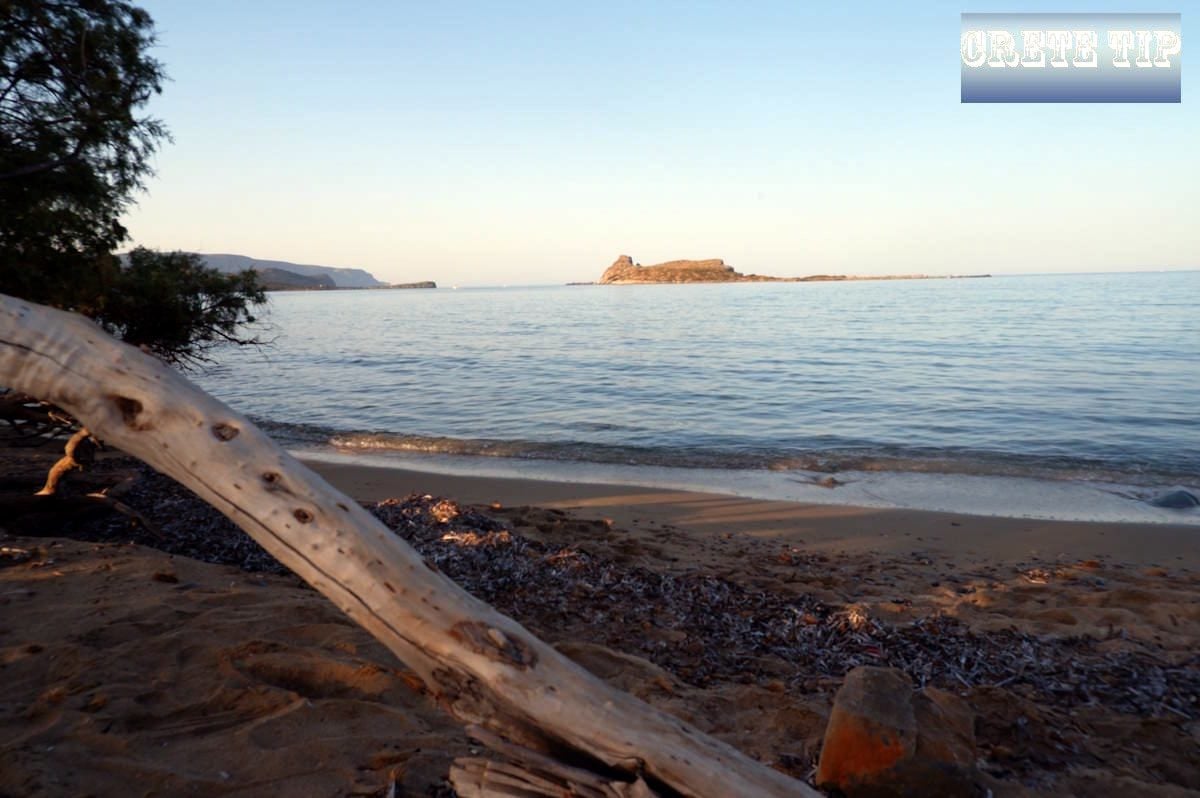
…and you see those brown ribbons of leaves along the shoreline, don’t complain to the beach manager about them. Don’t kick them aside.
Instead, take a moment to appreciate what you’re looking at: the shed leaves of an ancient, living underwater forest that has been quietly keeping the Mediterranean alive since long before humans ever sailed its waters.
Posidonia is not a nuisance. It’s a lifeline.
Written with reference to research by Dimitris Poursanidis & Evina Gondikaki, marine biologists and Posidonia researchers.
The Project ARTEMIS
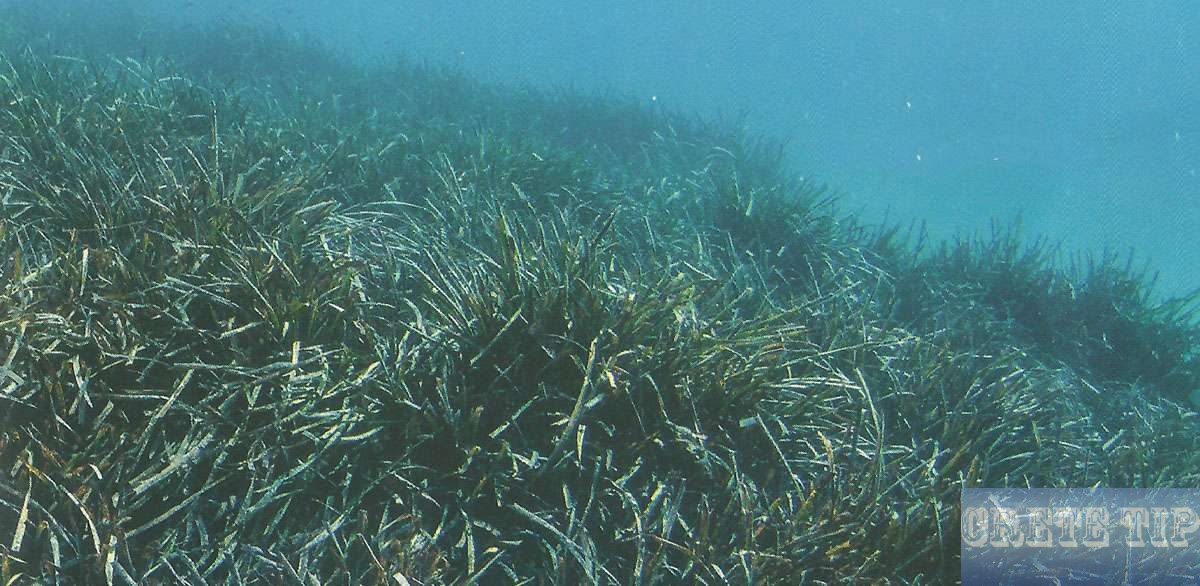
Project for the restoration of Poseidonia Oceanica underwater meadows in the lagoon of Agykiaris in the municipality of Sitia.
Efforts to restore Posidonia oceanica meadows are underway in multiple countries, including Greece.
The Interreg Euro-MED ARTEMIS project is currently in progress, focusing on enhancing techniques for the restoration of these vital underwater grasslands.
This initiative aims to evaluate the ecosystem services that these meadows provide and develop innovative methods that tie these services into both policy-making and investment strategies.
The project incorporates various innovative activities to restore Posidonia and assess the key ecosystem services that these seagrass meadows offer.
Some of these services include carbon sequestration and storage, support for biodiversity, and enhancement of recreational and tourism opportunities.
The project also seeks to trial alternative funding methods, such as Payment for Ecosystem Services (PES), which can support the sustainability of these efforts.
Furthermore, ARTEMIS aims to engage relevant authorities and raise awareness among local stakeholders and the broader public regarding the importance of these underwater meadows and their associated benefits.
Project Partners
The ARTEMIS initiative is spearheaded by ten partners, including Plan Bleu, HCMR (Hellenic Centre for Marine Research), ISPRA, MEDSEA, IME-OBSAM, the Municipality of Monfalcone in Italy, ECOACSA, Denkstatt, Bax & Company, and The Green Tank.
Plan Bleu acts as the project coordinator, with participation from HCMR and The Green Tank in Greece.
Collaborating organisations include the Region of Crete and the Organisation for the Natural Environment and Climate Change (OFYPEKA).
This project is part of the Interreg Euro-MED programme’s strategic mission for Natural Heritage and enjoys the backing of Greece’s Ministry of the Environment and Energy. The project is set to run from January 2024 to June 2026.
Restoration Locations
Restoration activities are being conducted in carefully selected pilot areas across three countries: Greece, Spain, and Italy.
In Greece, the pilot area is located in the Agykiaris Lagoon within the municipality of Sitia, which lies in the northeastern region of Crete. This area is also part of a Natura 2000 site, identified as GR4320006, highlighting its ecological significance.
Importance of Posidonia Oceanica
Posidonia oceanica is an endemic species that plays a crucial role in marine ecosystems.
These seagrass beds provide essential habitats for a variety of marine life, contributing to high levels of biodiversity.
They not only serve as nurseries for fish and other species but also help protect coastlines from erosion by acting as a natural barrier.
The root systems of Posidonia are vital for anchoring sediments and fostering a stable environment for various organisms.
Additionally, these meadows are significant in combating climate change.
They absorb and store large amounts of carbon dioxide (CO2), acting as carbon sinks and mitigating the impacts of climate change.
The preservation and restoration of these underwater ecosystems are essential not only for marine biodiversity but also for global climatic stability.
Threats to Seagrass Meadows

Despite their importance, Posidonia meadows face numerous threats.
Uncontrolled anchoring by boats is particularly damaging, leading to the destruction of these fragile ecosystems.
Other challenges include coastal development, pollution, and climate change impacts such as rising sea temperatures and ocean acidification.
These factors can severely impact the health of these meadows and, by extension, the marine life that depends on them.
Ongoing efforts must aim to address these threats through better management practices and policies that safeguard these critical environments.
Community engagement and awareness initiatives can also play a significant role in promoting sustainable practices that protect Posidonia and ensure the longevity of its beneficial services.
Ecosystem Services Provided
- Biodiversity Support: Seagrass meadows support a vast array of marine species. They provide vital habitats for fish, crustaceans, molluscs, and other marine organisms, significantly contributing to marine biodiversity.
- Carbon Sequestration: Posidonia plays a crucial role in trapping and storing carbon. It helps mitigate climate change by capturing CO2 from the atmosphere and storing it in ocean sediments.
- Coastal Protection: The root systems of seagrass meadows help stabilise the seabed, reducing coastal erosion and protecting shorelines from storm surges and wave action.
- Water Quality Improvement: These meadows filter pollutants and enhance water clarity, supporting healthier marine ecosystems.
- Recreational and Economic Opportunities: Healthy seagrass meadows boost tourism and recreational activities such as diving, fishing, and wildlife watching, contributing to the local economy.
- Food Source: Various species that inhabit or depend on seagrass meadows are crucial for both commercial and subsistence fishing, making these ecosystems vital for food security.
Conservation and Restoration Strategies

Efforts to conserve and restore Posidonia meadows must involve a combination of strategies, including:
- Habitat Restoration Projects: Initiatives like ARTEMIS focus on rehabilitating degraded seagrass habitats using innovative techniques and scientific research to enhance their recovery.
- Community Involvement: Engaging local communities and stakeholders can foster a greater appreciation for seagrass ecosystems, encouraging sustainable practices and support for conservation efforts.
- Policy Development: Implementing and enforcing regulations against harmful practices, such as uncontrolled anchoring and pollution, is essential for safeguarding these ecosystems.
- Research and Monitoring: Ongoing scientific studies are crucial for understanding the ecology of Posidonia and the effects of climate change. Monitoring programmes help assess the health and recovery of meadows over time.
Frequently Asked Questions
What are the main goals of marine scientists in restoring Poseidonia oceanica in Crete?
Marine scientists aim to enhance the health and extent of Poseidonia oceanica meadows in Crete.
Their primary objectives include increasing biodiversity, improving water quality, and combating coastal erosion.
By restoring these vital ecosystems, they hope to create a more balanced marine environment that supports various species and habitats.
How do researchers intend to regenerate seagrass meadows in the Mediterranean?
Researchers are employing several strategies to regenerate seagrass meadows in the Mediterranean. Techniques include:
- Planting young seedlings: Cultivating and transplanting juvenile plants to establish new meadows.
- Seed collection: Gathering seeds from existing meadows for planting in areas where seagrass has declined.
- Creating suitable conditions: Improving water clarity and reducing pollutants to promote the growth of new seagrass.
What obstacles do scientists encounter in the restoration of Poseidonia oceanica?
Several challenges hinder the restoration efforts of Poseidonia oceanica. Some of these challenges include:
- Pollution: High levels of nutrients and contaminants in coastal waters can negatively affect seagrass health.
- Climate change: Rising temperatures and ocean acidification threaten seagrass habitats.
- Human activity: Coastal development and anchoring can damage existing meadows, making restoration more difficult.
What techniques do marine biologists use to assess the health of seagrass beds?
Marine biologists employ various methods to monitor the condition of seagrass beds. Common techniques include:
- Diver surveys: Conducting visual inspections and measurements of seagrass density and species composition.
- Satellite imagery: Using remote sensing to assess changes in seagrass coverage over large areas.
- Water quality measurements: Regularly testing water for pollutants and nutrients that may impact seagrass health.
How does the restoration of Poseidonia oceanica support marine biodiversity?
The revitalisation of Poseidonia oceanica plays a crucial role in boosting marine biodiversity.
These meadows provide habitat and food for a wide array of marine species, including fish, crustaceans, and invertebrates.
Additionally, they serve as nursery grounds for juvenile marine life, contributing to the overall health of the marine ecosystem.
What effects does the recovery of Poseidonia beds have on local ecosystems and economies?
The recovery of Poseidonia beds significantly benefits both local ecosystems and economies.
Ecologically, restored seagrass meadows enhance habitat quality, support fisheries, and improve water clarity.
Economically, these meadows can help sustain local fishing industries and promote ecotourism, which encourages visitors to appreciate and engage with the natural environment.