Crete stretches out with more than 1,000 kilometres of coastline. Many beaches here are world-class, but some just don’t live up to the hype.
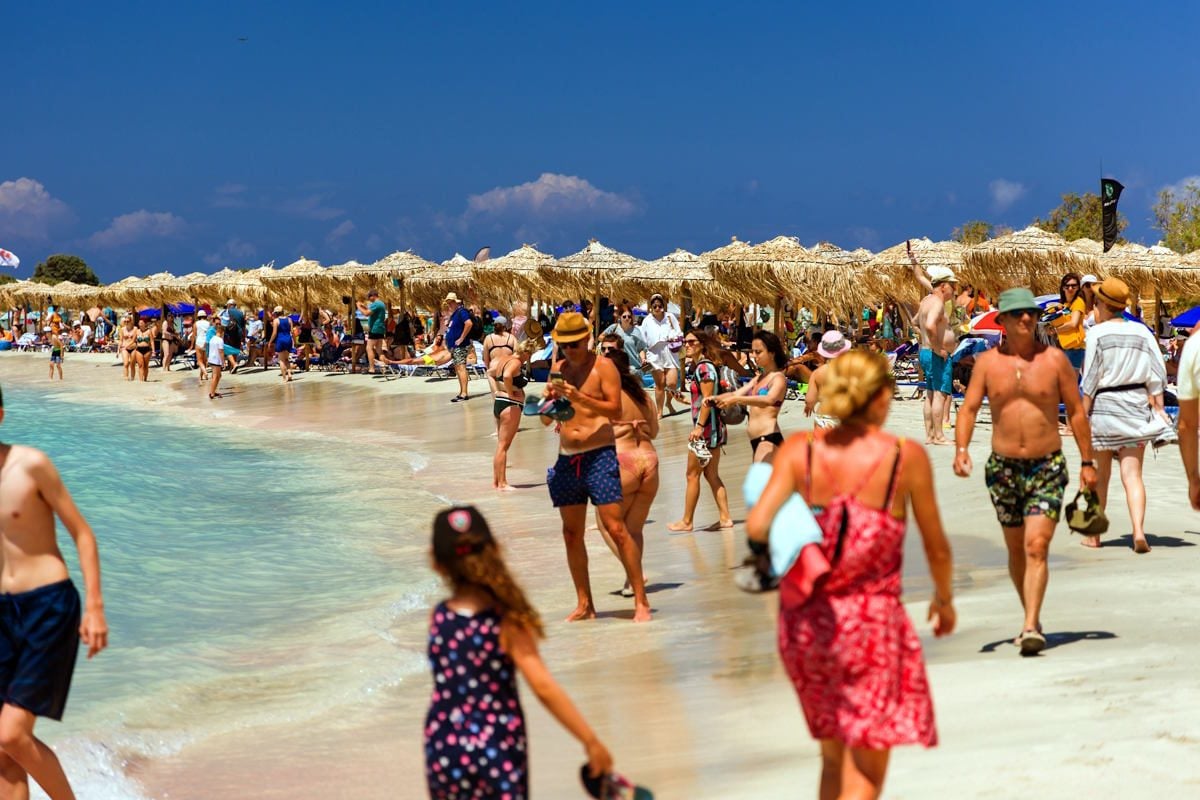
Travelers chase after the best beaches in Crete, but popularity doesn’t always mean you’ll find peace and quiet. The real issue with the most overrated spots? It’s rarely the sand or water—it’s the crowds.
Most people end up at the same handful of beaches every year. Travel blogs and package holiday brochures keep pushing the same names, so the cycle repeats.
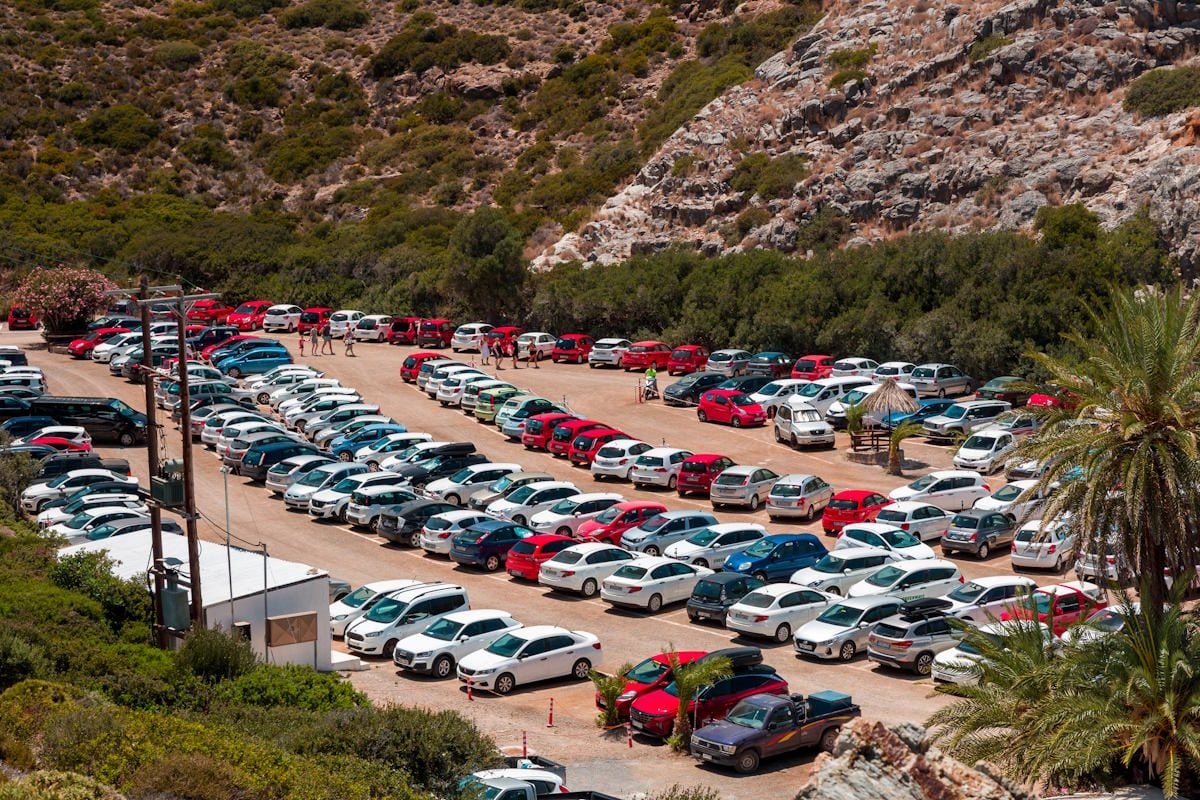
What happens? You’re stuck waiting for a sunbed or circling a packed car park. Sometimes the water feels more like a public pool on a holiday weekend than a slice of paradise.
Honestly, a lot of Crete’s most famous beaches are beautiful, but visiting them in peak season is a whole different story from what you see in the photos.
That gap between expectation and reality is exactly what this article digs into. It’s not about putting you off Crete’s coastline—it’s more about why certain beaches disappoint, even though some folks still enjoy them.
If you’re after a more rewarding swim or just want to avoid the tourist trail, there are better options on the island. Whether you’re new to Crete or have been coming for years, you’ve got smarter choices than the obvious ones.
What Makes A Beach Feel Disappointing
Usually, a beach isn’t disappointing because of the beach itself. It’s the gap between what you expected and what you actually find.
Three things cause most of that disappointment: crowd levels, tough access, and the magic of well-edited photos.
Crowds, Noise, And Loss Of Atmosphere
A beach that fits 200 people comfortably turns into something else when 2,000 show up. Some of Crete’s most famous spots get visitor numbers that would be more at home in a theme park than a coastal hideaway.
When sunbeds stretch endlessly, music from bars drifts across the sand, and the water near shore churns from constant movement, the atmosphere that made the place famous just disappears. You end up paying a premium for something that doesn’t resemble what drew you there in the first place.
Difficult Access Versus The Payoff

Some beaches in Crete genuinely reward a tough journey. Others just aren’t worth the effort.
Most travel guides rave about the beauty but gloss over details like a 45-minute drive down a rough road, zero shade, or the car park filling up before breakfast. If you’re traveling with kids, older relatives, or just want a stress-free day, access becomes a big deal.
Take Agiofarago Beach [Google Maps], for example. The walk through the gorge is lovely but demanding. Visiting Agiofarago Beach is a similar commitment—you really need to weigh the trek against your desire for seclusion.
Seitan Limania Beach [Google Maps] looks unreal from above, but the steep, rocky descent leads to a tiny patch of sand that’s packed tight. If you need a four-wheel-drive or a head for heights, that’s fine—if you know what you’re getting into. But if nobody warns you, it’s a problem.

When Photos Create Unrealistic Expectations
Drone shots taken at dawn in May aren’t what you’ll see on a Tuesday in August. The colors are boosted, crowds are missing, and the lighting is perfect. That’s the version of Crete that goes viral.
In reality, peak-season snapshots from regular visitors tell a different story. Honest destination content admits this. Sure, the water in some places really is a pale blue—but you’ll be sharing it with everyone else who saw the same Instagram post.
Well-Known Shores That Often Underwhelm

Not every famous beach on Crete is a letdown, but some have a reputation for falling short. The common threads? Too much infrastructure, a touristy vibe, and so many visitors that it feels more like crowd control than relaxation.
Lagoons And Sandbars That Look Better In Pictures
Balos Beach [Google Maps], up on the northwest tip, is probably Crete’s most famous image. The pale blue lagoon and white sandbar look dreamy in photos.
But in July and August, you get ferry queues, pricey sunbeds, and a sandbar packed elbow-to-elbow. The return boat often feels more like a cattle run than a scenic ride.
The water is gorgeous and the setting impressive. Still, if you came expecting solitude, you’ll probably leave scratching your head about the hype.
Gramvousa Beach [Google Maps] gets lumped in on the same boat trips. The fortress is cool, but the small beach area turns into a crush when the boats unload. Arriving early or coming in the off-season changes everything.
Package-Holiday Strips With Little Local Character

Beaches near big resort towns, especially along the north coast, can feel more like hotel extensions than real seaside escapes. Long strips of sand next to busy roads, lined with similar sunbed setups and fast-food joints, offer convenience but little atmosphere.
The water quality isn’t bad, but the local character is missing. Rethymnon Beach [Google Maps] is a good example—the city is handy, but the charm isn’t there.
Platanias Beach [Google Maps] and Lygaria Beach [Google Maps] face similar issues. Lygaria’s narrow cove often gets so packed with sunbeds that you can barely see the natural beauty.

Agia Pelagia beach [Google Maps] often pops up on lists of overrated spots because of its tight quarters and sunbed density. Ammoudara Beach [Google Maps], with its urban setting and nearby power station, doesn’t exactly scream “holiday.” It’s long and sandy, but the winds and lack of Cretan feel make it forgettable.
Georgioupoli [Google Maps] is another stretch that feels dominated by hotels. Elounda [Google Maps] is famous for luxury, but the beaches themselves can seem small and artificial compared to wilder areas.
Beauty Spots That Become Stressful At Peak Times
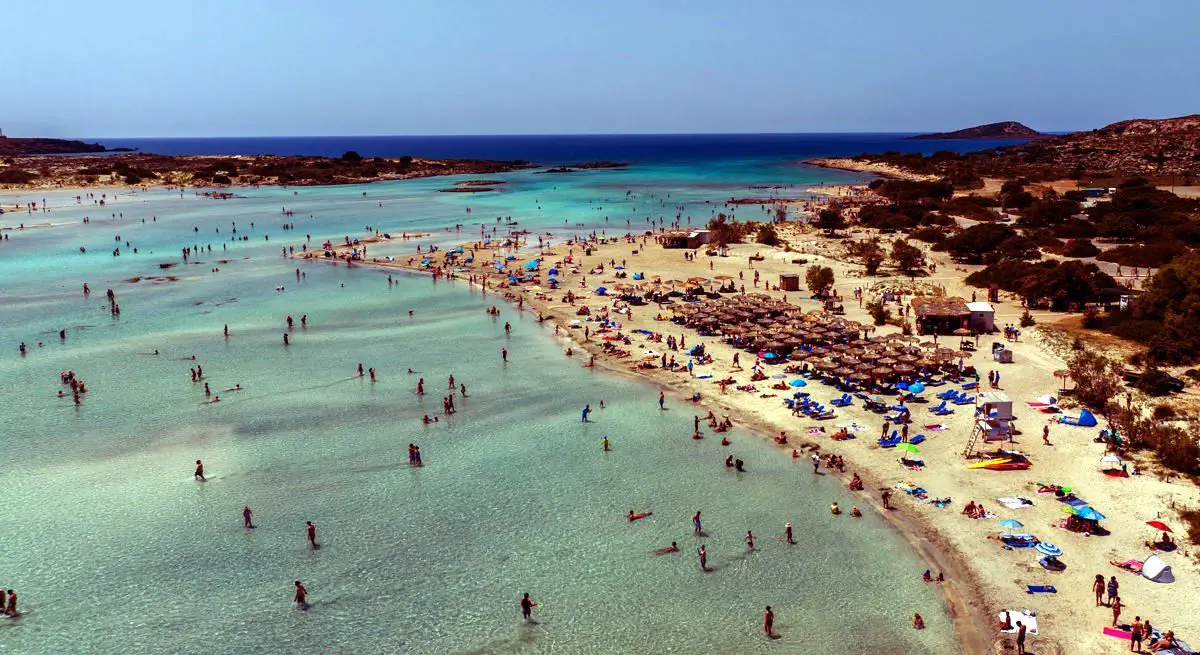
Elafonissi Beach [Google Maps] on the southwest coast is often called one of the best beaches in the world. The pink-tinged sand and shallow lagoon really are something.
But once summer crowds hit, it turns into one of the most overrated beaches in Crete for many people. From late June to early September, Elafonissi gets thousands of visitors a day, putting a real strain on the delicate ecosystem.
If you show up in high season without a plan, expect a long wait for parking, a crowded sandbar walk, and the feeling that you’re sharing a tiny space with way too many people.
Matala Beach [Google Maps] falls into this trap too. Its hippie-era fame draws in crowds and tour buses, overwhelming the small bay. The bohemian charm is mostly gone, replaced by rows of sunbeds.

Vai Beach [Google Maps] is another spot that can feel like a letdown. The palm forest is unique, but the whole place feels more like a resort than a natural wonder.

Voulisma Beach [Google Maps] has blown up on social media, but that means crowds. The turquoise water is stunning, but with hundreds of people crammed onto a small beach, it can feel claustrophobic. The steep stairs and narrow shore turn into bottlenecks fast.
Why Popularity Does Not Always Equal Quality
Social media and travel rankings measure how well a beach photographs. They say little about what it’s actually like to spend a whole day there.
Three things in particular create a gap between a beach’s reputation and what you get on the ground.
Coach Tours, Parking Pressure, And Queue Culture
Many of Crete’s famous beaches are regular stops for coach tours. That means big groups show up at set times, not just independent travelers.
Parking that seems fine at 8am is overflowing by 10am. Three coaches arriving together can totally change the vibe in minutes.
If you’re driving yourself, check if your chosen beach is a popular coach stop. Travel brochures rarely mention it, but forums do. Arriving early or going later in the day after the tours have left can help a lot.
Wind, Heat, And Exposure On Open Coasts

Crete’s summer winds, the Meltemi, blow from the north and northwest, usually July through August. Northwest-facing beaches—some of the most photographed—can get rough in the wind. Sand blasts across your towel, umbrellas flip, and the sea gets choppy.
You’d never know from the photos, which are always taken on calm days. Falasarna beach [Google Maps] is a classic case—often listed among the best, but on a windy day, it’s just not relaxing. Falassarna Beach is best on a calm forecast.
A beach that’s perfect on a quiet June morning can be nearly unusable by 2pm in August. Checking the wind forecast before you go isn’t overkill—it’s just smart.
Seasonal Conditions That Change The Experience
Crete’s beach season runs from May to October, but the vibe changes a lot. A place that feels calm in late May can become packed by mid-July.
By September, with most families gone and softer light, it’s almost a different world. Most travel content doesn’t show this. Reviews and photos cluster around the busiest months, so everyone thinks that’s the norm.
Who Should Still Consider These Places

It wouldn’t be fair to write off Crete’s famous beaches entirely. For some travelers, they’re still the right pick.
The trick is matching the beach to what you actually want. Fame doesn’t mean it’s the ideal spot for everyone, and honestly, that’s okay.
Families Wanting Easy Facilities
For families with young kids, organised beaches just make life easier. Sunbed hire, toilets, beach bars, shallow water, and nearby parking all take the hassle out of a beach day.
A wild, remote cove might look stunning in photos, but try hauling a buggy and a toddler down a rocky path—suddenly, a well-equipped beach seems like the obvious choice.
Some of Crete’s busier, touristy beaches have exactly this kind of setup. The trade-off in atmosphere often feels worth it when the alternative is lugging your gear across a kilometre of rough ground.
First-Time Visitors Chasing Famous Views
If you’re visiting Crete for the first time and have Elafonisi or Balos on your list because you’ve seen them everywhere, that’s totally fair. There’s real value in finally seeing a place you’ve imagined for years, even if you have to share it with a crowd.
Just go with realistic expectations, arrive early, and treat it as a “tick-the-box” experience more than a full lazy beach day. Even fifteen minutes at Balos’s water’s edge, surrounded by people, still gives you a memory to compare with the photos—and that counts for something.
Travellers Visiting Outside Peak Season
Most complaints about Crete’s busiest beaches pretty much melt away outside July and August. In May, early June, or September, places like Elafonisi are quieter and much more relaxed—closer to what you see in the postcards.
If you can travel outside peak season, visiting the famous spots then is hands down the easiest way to enjoy them. The water’s still warm, roads are calmer, and you’re way less likely to waste your morning queuing for a sunbed or parking.
Better Alternatives For A More Rewarding Beach Day

Crete’s coastline is long enough that there’s almost always a better option within a reasonable drive of any famous beach. The alternatives aren’t secret; they just don’t get the first recommendation.
Quieter Options Near Major Tourist Hubs
If you’re staying near a busy north-coast resort, the easiest escape from crowds is usually a short drive inland and then south—not just along the coast. The north-coast strip stays busy all season because the big hotels are there.
Drive 20 or 30 minutes toward the south coast and you’ll often find beaches with a totally different vibe. In the Rethymno area, Skinaria Beach [Google Maps] and Mononaftis Beach [Google Maps] offer clear water and manageable numbers even in midsummer.
These spots have little or no beach bar infrastructure, which keeps things quieter for anyone craving peace.
South Coast Choices With More Space

The south coast of Crete is generally less visited than the north, partly because it’s further from the main airports. Fewer big resorts have been built there, so there’s more room to spread out.
Plakias Beach [Google Maps] offers a long, sandy arc with organised sections in the middle and wilder, quieter stretches at the ends. Triopetra Beach [Google Maps] is another great choice if you want space instead of facilities.
It’s named for its three big rocks, and even in peak summer, it rarely feels crowded. Frangokastello Beach [Google Maps] stands out too, with a Venetian castle right on the sand. The shallow water is perfect for kids, but strong winds can make long stays tricky.
Still, it’s a popular stop for anyone exploring the Sfakia region. Sougia Beach, on the far southwest coast, has a genuinely low-key feel. Kedrodasos Beach nearby offers a wilder escape, with ancient juniper trees and a rocky landscape.
Kedrodasos feels quieter than its famous neighbor, Elafonissi, but it’s getting more popular—so that old sense of isolation is a bit harder to find. The ancient trees still make for a beautiful backdrop, though. It’s not as dramatic in photos as Balos, but spending a full day there feels like a more authentic Crete.
Smaller Coves With A Stronger Sense Of Place
On the east coast, beaches near the far end of the island—like Itanos Beach [Google Maps], just north of Palm Beach Vai—offer the same water quality with way fewer people. The ruins of an ancient city sit on the headland above, and there’s no entrance fee, no sunbed operation, and no gift shop.
Smaller coves along the south central coast, reached by rough tracks, often deliver the kind of experience people hope for in Crete. For real isolation, Trafoulas Beach [Google Maps] is a solid pick, but you’ll need to walk through a gorge to get there.
No facilities means fewer people. Voidomato Beach [Google Maps] is another hidden gem on the southern coast—if you want to avoid the noise of beach bars, this is your spot. It’s raw and natural, a total contrast to built-up areas in the north.
Bring your own shade, water, and food, and treat the journey as part of the day.
How To Choose The Right Beach For Your Trip
Choosing a beach in Crete isn’t really about finding the “most beautiful” one off a list. It’s about figuring out what kind of day you actually want, and then picking the beach that fits.
Being honest about your priorities before you go saves a lot of disappointment when you get there.
Match The Beach To Your Priorities
Start by deciding what matters most to you. Do you care about fine sand, or are pebbles fine?
Do you want sunbed hire and a beach bar, or would you rather bring your own stuff and have more space? Are you planning to snorkel, swim laps, or just sit in the shallows with a book?
Different beaches suit different answers. A family with little kids who want sand and facilities will have a better time at an organised beach near a resort than at a remote pebble cove with no shade and a tough track.
Neither beach is “better”—they just fit different people.
Check Access, Wind, And Shade Before You Go
Before you commit to a beach for the day, spend five minutes checking three things: how to get there, which way it faces, and whether there’s natural shade. A northwest-facing beach in August might be perfect in the morning, but by afternoon the Meltemi wind can make it miserable.
A beach at the end of a dirt track is fine if you have a sturdy rental car, but less fun in a standard saloon. Local, Crete-focused resources—like CreteTip, written by people who actually live there—are way more useful for these details than generic travel articles.
Aim For Realistic Expectations Rather Than Famous Names

The best thing you can do when planning your beach days in Crete is to stop using fame as your filter. A beach isn’t better because it’s on more lists—it’s better because it fits what you want on that day.
Some of Crete’s most rewarding coastal spots barely show up in English-language coverage. Locals know them, long-time visitors know them, and sometimes people just stumble onto them by accident.
If you shift your expectations away from viral photos and toward your own honest preferences, you’ll probably have a much better time—wherever you end up.
Frequently Asked Questions

Which beaches in Crete tend to be the most crowded and touristy?
Balos Beach, Elafonissi, and Palm Beach Vai are always the busiest. Gramvousa Beach, Seitan Limania, and Voulisma Beach also get packed in summer.
North-coast beaches near big resorts—like Malia, Agia Pelagia, and the long strips at Rethymnon—see heavy foot traffic. Preveli Beach can also get crowded enough to change the whole experience.
Georgioupoli, Falassarna, Platanias, and Elounda all draw big crowds, too. These are often the most overrated beaches in Crete if you visit at peak times.
Is Elafonissi Beach worth visiting, or is it too busy?
Elafonissi is genuinely beautiful, with pink sand and shallow turquoise water that really do live up to the hype. The problem is timing: in peak season, it’s extremely crowded, and the number of visitors is raising environmental concerns.
If you arrive very early or visit in May, June, or September, you’ll have a much better experience and avoid the worst crowds.
Is Vai Beach a must-see, or does it feel overhyped?
The palm grove at Vai is real and pretty unique—one of Europe’s few native palm forests. As a beach, though, it can feel managed and busy, with entrance fees, rows of sunbeds, and a car park that fills up fast.
If you want peace, drive fifteen minutes north to Itanos Beach for the same water quality and way fewer people.
Where are the best quieter, less touristy beaches in Crete?
The south coast almost always has more space and fewer crowds than the north. Sougia Beach, Plakias Beach (especially the quieter ends), and Skinaria Beach near Plakias are solid picks.
On the far east coast, beaches past the main highway junction are much emptier, even in August.
Which parts of Crete should I avoid if I want a more relaxed beach trip?
The north coast between Heraklion and Malia is the most resort-heavy and least atmospheric stretch. Northwest-facing beaches near big towns fill up quickly and get hit by afternoon wind from July on.
If you want real relaxation, stick to the south coast or head to the far east of the island. You’ll almost always have a better time.
Are there any hidden beaches in Crete that locals recommend?
Crete’s got hundreds of little coves, most of them unnamed or barely marked, especially if you head down the south central coast. You’ll need to ask around—locals usually know a few gems—or dig into detailed regional guides written by folks who’ve actually been there.
If you’re up for it, just driving past the obvious signposted beaches can lead to some great surprises. Honestly, a decent hire car and an old-school paper map can make all the difference.