The phrase “the problem is not stray animals, but people” hits a tough nerve. Abandoned animals don’t just show up out of nowhere.

Usually, they’re the result of unplanned breeding, poor care, weak enforcement, or, honestly, someone just giving up. If you want fewer strays, maybe it’s time to look past shelters and dig into the human choices that kickstart the problem in the first place.
Nikos Chrysakis points out that animal welfare isn’t just about the animals—it’s also about public safety and how our communities work. Supporting identification, sterilisation, responsible ownership, and proper enforcement means you’re stopping abandonment before another animal ends up suffering.
Animal Abuse Is Often a Warning Sign of Wider Violence
Is the problem simply a lack of knowledge, or does the police response also need to change?
Animal offences still get brushed aside sometimes, treated like minor incidents or just weird behavior. But cruelty and neglect? They’re often tangled up with domestic abuse, partner violence, and other harmful stuff.
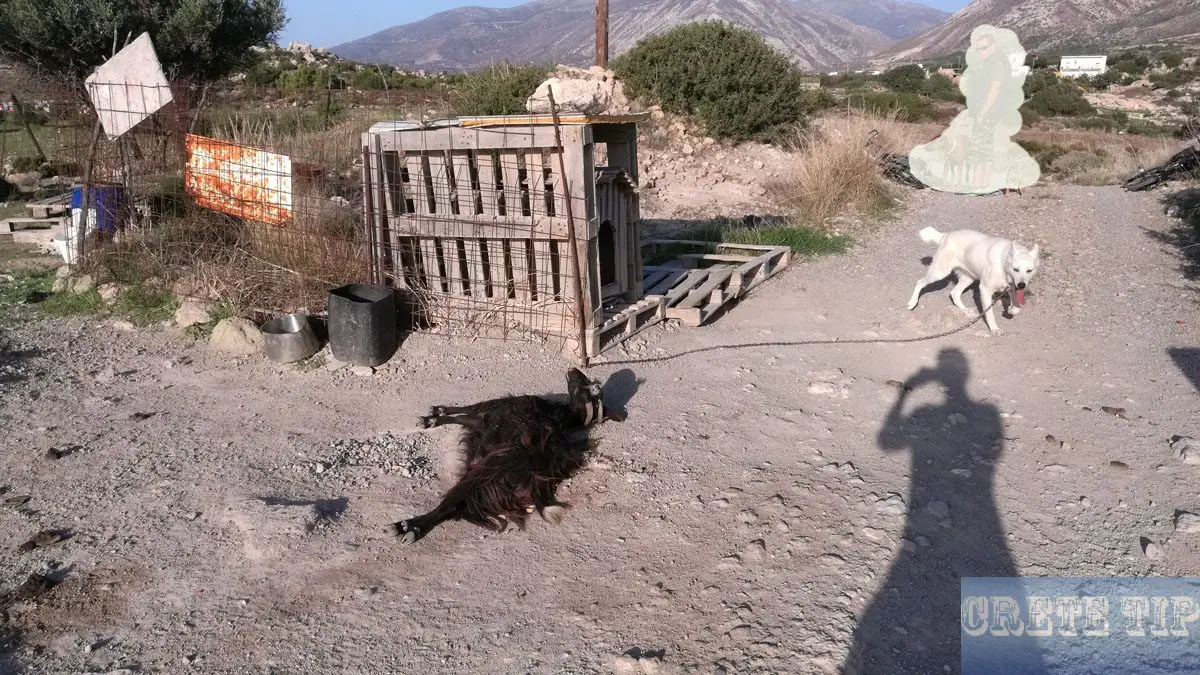
When police investigate welfare complaints, they don’t always have the right training to really see what’s going on. A neglected animal might be stuck in a filthy shelter, denied vet care, or chained up for life.
It’s important to record these details—photos, videos, witness stories, the whole lot. But you should also look past just the animal’s condition.
A quiet check of the household can reveal much bigger problems, like controlling behavior, deprivation affecting kids, or flat-out neglect. Even if there’s no obvious violence, a shaky home environment can still need intervention.
Why should animal cruelty be treated as a serious crime rather than a strange local incident?
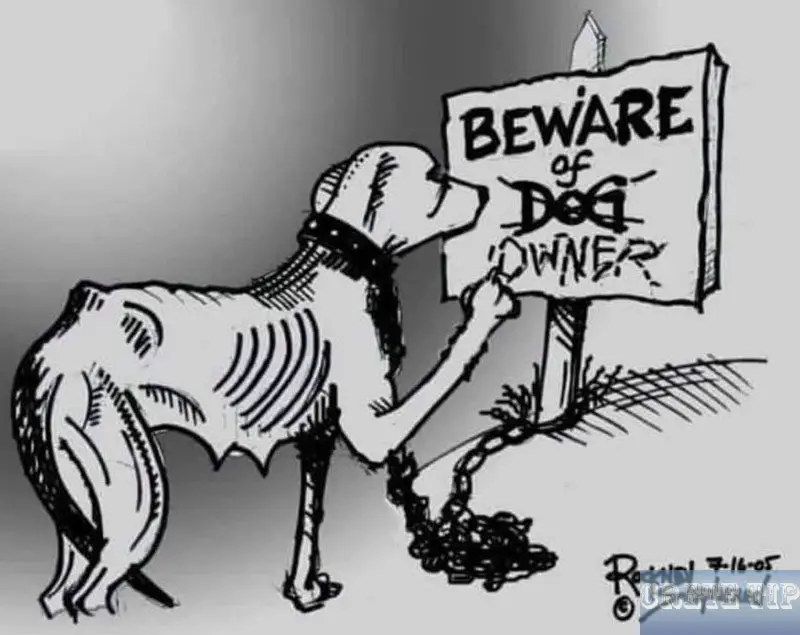
Cruelty doesn’t just pop up by itself. People who hurt animals might also use them to threaten or control someone else—often in their own families.
That’s why police training actually matters. Officers have to spot animal abuse as a warning sign, handle evidence right, and consider whether others might be at risk too. Taking these reports seriously can protect animals and help uncover a bigger pattern of violence.

Are neglect cases mainly a rural issue, or do cities face different problems?
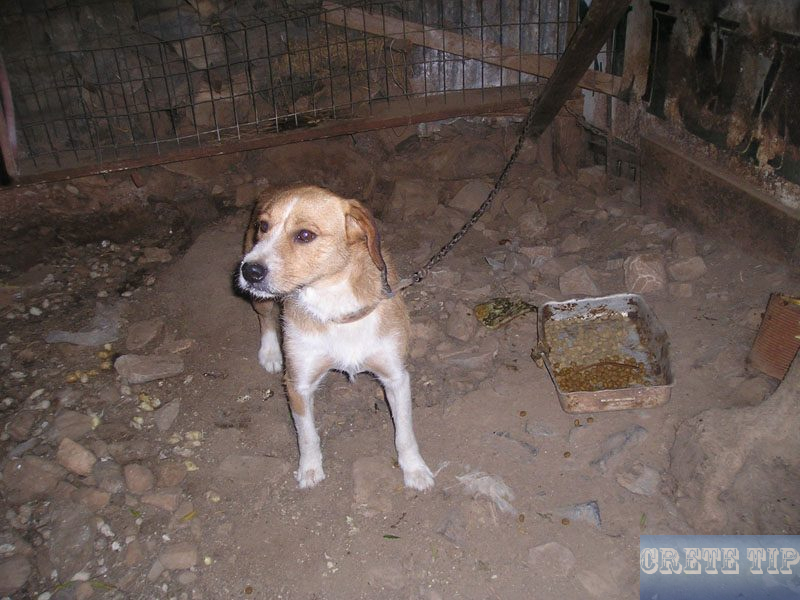
Out in the countryside, you often see poor housing, bad shelter, animals chained up, and no vet care. In cities, it’s more about abandonment, overcrowded homes, illegal breeding, and dogs left alone without exercise or supervision.
Urban areas add their own risks—traffic, crowded spots, and strays hanging around schools or busy roads. The setting changes, but honestly, the root cause is often the same: someone takes on an animal without the know-how or commitment for proper care.
What can the national register really tell you about animal ownership?
Registration numbers help, but they don’t show the whole picture when lots of animals aren’t even identified. Even with high registration rates, plenty of pets still slip through the cracks.
Reliable records tell you who owns an animal, if it’s been sterilised, and where enforcement should focus. Without them, abandoned animals stay invisible, and it’s tough for authorities to trace what went wrong.

Four years after the legislation, do you still lack a complete picture?
Yeah, the law set out some key responsibilities, but making it work relies on consistent registration and cooperation between owners, vets, police, and local authorities. Until everyone takes identification seriously and every authority actually uses the tools available, you’re missing vital info about animal numbers and ownership.
That gap makes it harder to plan services, fund sterilisation, and keep new animals from joining the stray population.
Microchips, Sterilisation and Restoring Accountability

What practical changes would reduce irresponsible breeding and poor compliance?
Prevention really should come first. Regular, targeted inspections could remind people that ignoring their duties might actually have consequences.
Microchipping and registration matter a lot. A chip links an animal to its person, making reunions possible and helping to track down those who abandon pets.
It also helps with planning for sterilisation and cuts down on unwanted litters. Sterilisation is another big one—if you let animals breed without a plan, you’re just setting up more puppies and kittens for abandonment.
Visible enforcement helps, too. When owners know checks are real and penalties might follow, they’re more likely to do the right thing for their animals.
What should you do when you find a stray animal?
First, keep yourself and the animal safe. Call a vet, the municipality, or an animal welfare service so they can scan for a microchip and check for injuries.
Don’t just assume every animal you see outside is homeless. Some are lost, and a chip can get them home fast. If there’s no owner, report it to the local authority and jot down where and when you found the animal.

Can you ask the police to check a dog that has had puppies?
Yes, especially if you suspect illegal breeding, neglect, or some breach of ownership rules. The police or another authority can decide if an inspection is needed and whether the keeper followed the rules.
Give as much clear info as you can—photos, where the animal is, details of the litter, or evidence of bad conditions. That way, authorities can figure out what action to take.
Local Authorities and Their Legal Duties

Are councils meeting their responsibilities for stray animals?
Municipalities have a legal duty to manage stray companion animals. They’re supposed to handle vet care, sterilisation, vaccination, temporary accommodation, adoption support, and safe return of animals.
Some councils really step up, running organized programs and working with vets and volunteers. Others are still struggling with staff, funding, and keeping things consistent.
This work isn’t just charity. Volunteers do a lot, but public authorities have to make sure the system works. Shelters should be temporary, humane, and never turn into permanent holding pens.
Is there a specialist team that evaluates council performance?
Assessors can check if councils have proper plans, contracts, facilities, staff, and procedures. They also look at whether money gets used well and if animals get vet care on time.
Regular evaluation actually matters—it means less talk and more real duties. It highlights good practice and shows where councils need help or tighter oversight.
Does the limited capacity of the state animal welfare service show that animals are still not treated as a priority?
Honestly, it shows the system hasn’t always had the resources for the job. Animal welfare needs staff, data, training, funding, and cooperation between public bodies.
Progress happens when institutions set clear duties and track results. But real change depends on treating animal protection as a public responsibility, not just hoping volunteers can fill in the gaps when official services fall short.
Volunteers at the Centre of Emergency Response
What changes when animal protection becomes part of disaster planning?
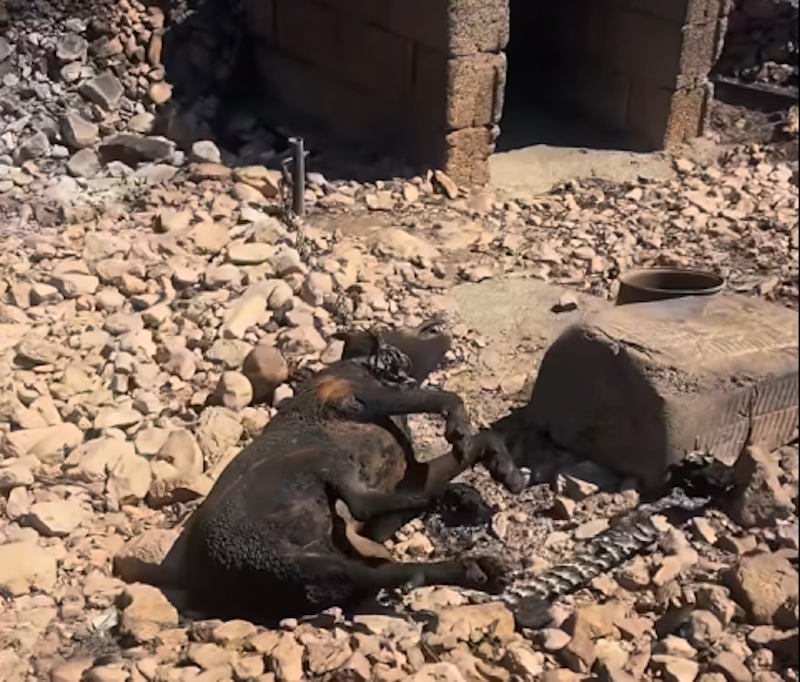
Up until recently, volunteers and community groups were doing most of the heavy lifting during fires, floods, and emergencies. Their work is essential, but relying just on personal bravery? That’s a risky way to run things.
From 15 June 2026, animal protection is getting woven into the national civil protection system, with ministries and animal welfare groups teaming up. The idea is to plan ahead for rescue, evacuation, temporary care, and reunification.
The new system includes specialist rescue teams, a five-digit number (10400), and procedures for caring for animals after disasters. They’re also linking animal protection with the 112 emergency system and local civil protection plans.
Mapping helps authorities spot shelters, livestock facilities, and areas with lots of strays before disaster hits. Training firefighters and emergency staff should make rescues safer and faster, too.
The real shift? Animal rescue shouldn’t depend on scrambling for a volunteer at the last second. A coordinated public system can save more lives, cut down confusion, and give volunteers the backup they deserve.
Frequently Asked Questions
Who is Nikos Chrysakis, and what is his connection to animal welfare?
Nikos Chrysakis is involved in Greece’s national work on companion animal protection and managing stray populations. He often talks about enforcement, responsible ownership, local authority duties, and better emergency planning.
What does the statement suggest about human responsibility towards stray animals?
It says people create most of the reasons animals become homeless. Things like irresponsible breeding, abandonment, poor care, and weak enforcement play a big part.
Why are stray animals often seen as a community issue rather than an animal issue?
Stray animals impact public health, road safety, community life, city budgets, and people’s wellbeing. Their presence points to choices made by owners and holes in public services, so fixing the problem needs action from both residents and authorities.
What practical steps can people take to reduce the number of stray animals?
You can microchip and register your pet, arrange for sterilisation, avoid unplanned litters, and never abandon an animal. Reporting neglect, supporting responsible adoption, and calling the council if you find a lost or hurt animal also help.
How can responsible pet ownership help prevent animals from becoming homeless?
Responsible ownership means planning for your animal’s whole life—vet bills, housing, exercise, and whatever changes might come up. Identification makes it possible to get your pet back if they go missing, and sterilisation cuts down on unwanted births.
What role should local authorities play in protecting and managing stray animals?
Councils really need to step up with things like veterinary care, sterilisation, and identification for stray animals. They should offer temporary shelter and help with adoption too.
It makes sense for them to keep proper records and work alongside qualified professionals. Funding and monitoring these responsibilities? Absolutely essential, though sometimes it feels like that part gets overlooked.
Source: AthensVoice