The comprehensive guide to drinking water on Crete.

Planning a trip to Crete and wondering whether you can drink the tap water? You’re not alone. It’s one of the most frequently asked questions among first-time visitors to Greece’s largest island—and the answer might surprise you.
The short version: yes, tap water in Crete is safe to drink. But as with most things in this beautifully complex island, the full story is far more interesting.
The Official Verdict
Let’s start with the facts. Crete’s tap water meets all safety standards set by the Greek Ministry of Health. The water undergoes regular testing and treatment, making it perfectly safe for drinking, cooking, and brushing your teeth.
Locals use it daily—for their morning coffee, for cooking traditional dishes, and for everything in between. You won’t get sick from drinking it.
However, there’s an important distinction worth making: safety and palatability are two very different things.
Why Does Tap Water Taste Different Across Crete?

Here’s where it gets interesting. Crete’s tap water can vary significantly in taste depending on exactly where you are on the island. This isn’t a quality issue—it’s a geological one.
The island’s diverse rock formations and the different sources supplying various regions directly influence the mineral content, and therefore the taste, of local water.
Western Crete: The Best Tap Water Experience
If you’re visiting Chania or Rethymno, you’re in luck. Western Crete tends to offer the most pleasant tap water experience on the island. Many locals drink it straight from the tap without hesitation, describing it as fresh, clean, and thoroughly enjoyable.
Eastern Crete and Heraklion: A Different Story
Head east, and the experience changes. The water in Heraklion and eastern Crete is often described as “hard,” with a slightly metallic taste due to higher mineral content from the region’s limestone-rich geology.
It’s still perfectly safe—but it’s less appealing to drink plain, which explains why you’ll notice more locals and visitors reaching for bottled water in these areas.
Mountain Villages: Hidden Gems of Pure Water
Here’s a little secret that most tourists never discover: rural mountain villages often have some of the best-tasting water on the entire island.
Frequently sourced directly from local springs and naturally filtered through ancient rock formations, the water in these highland communities can be genuinely exceptional. Which brings us to one of Crete’s most remarkable water stories.
The Legend of Zaros: World’s Best Water Comes from a Cretan Village

No guide to Cretan water would be complete without celebrating Zaros—a small village of just 2,150 residents nestled at the foot of Mount Psiloritis.
In 1980, the village made a bold decision: bottle their extraordinary local spring water. The results have been nothing short of spectacular.
In 2017, Zaros water won the Gold Medal for “Best Bottled Water in the World” at the Berkeley Springs International Water Tasting, competing against over 600 entries from across the globe.
What Makes Zaros Water So Special?
The secret lies in the natural filtration process. The water passes through Mount Psiloritis’s fractured carbonate rocks over many years, emerging with:
– A perfectly balanced pH of 7.8
– An ideal, well-rounded mineral profile
– A clean, refreshing taste that has impressed judges worldwide
But what makes Zaros truly unique isn’t just the water itself—it’s the community ownership model. The municipality owns 44% of the company, while over 1,000 local shareholders hold the remainder. Success directly benefits the village through employment and local investment. When you buy a bottle of Zaros, you’re supporting an entire community.
Traditional Stone Fountains: A Living Part of Cretan Culture

One of the most charming features of traveling through Crete is stumbling upon its network of traditional stone fountains and public taps, particularly in mountain villages.
These aren’t decorative relics—they’re fully functional water sources that have served communities for generations.
Some highlights worth seeking out:
– Kritsa “Champagne”: Locals affectionately call it champagne for good reason—this fountain in the village of Kritsa, fed by water from the Katharo Plateau, produces exceptionally pure and refreshing water.
– The Lion-Head Fountains of Spili: One of Crete’s most photographed sights—17 stone lion heads gushing with snowmelt from Mount Ida. Stunning, refreshing, and utterly Cretan.
Can you fill your reusable bottle from these public fountains? Generally, yes.
Water from established village fountains is typically safe and often delicious. That said, always check with locals about any specific fountain, as maintenance and source protection can vary.
A Word of Caution About Natural Streams

The romantic notion of sipping from a babbling Cretan mountain brook is undeniably appealing—but exercise caution.
Even in Crete’s pristine mountain landscapes, unmarked natural streams can be contaminated by livestock or wildlife upstream. Unless you’re certain about a source’s protection status, or you’re carrying a reliable portable water filter, stick to marked public taps and treated water sources.
When in doubt, ask a local. Cretans are famously generous with their knowledge and hospitality.
Crete’s Modern Water Infrastructure
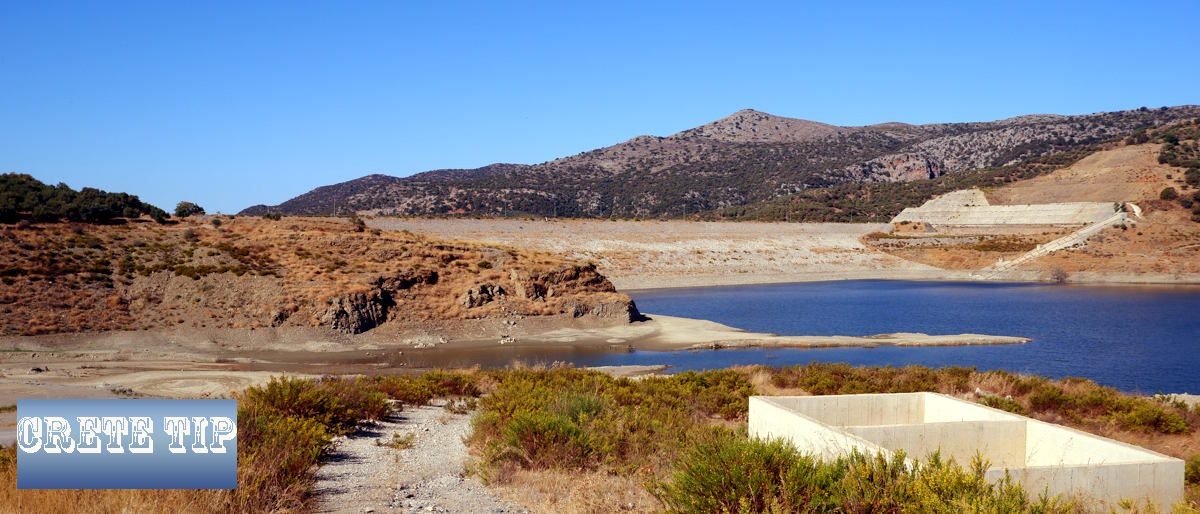
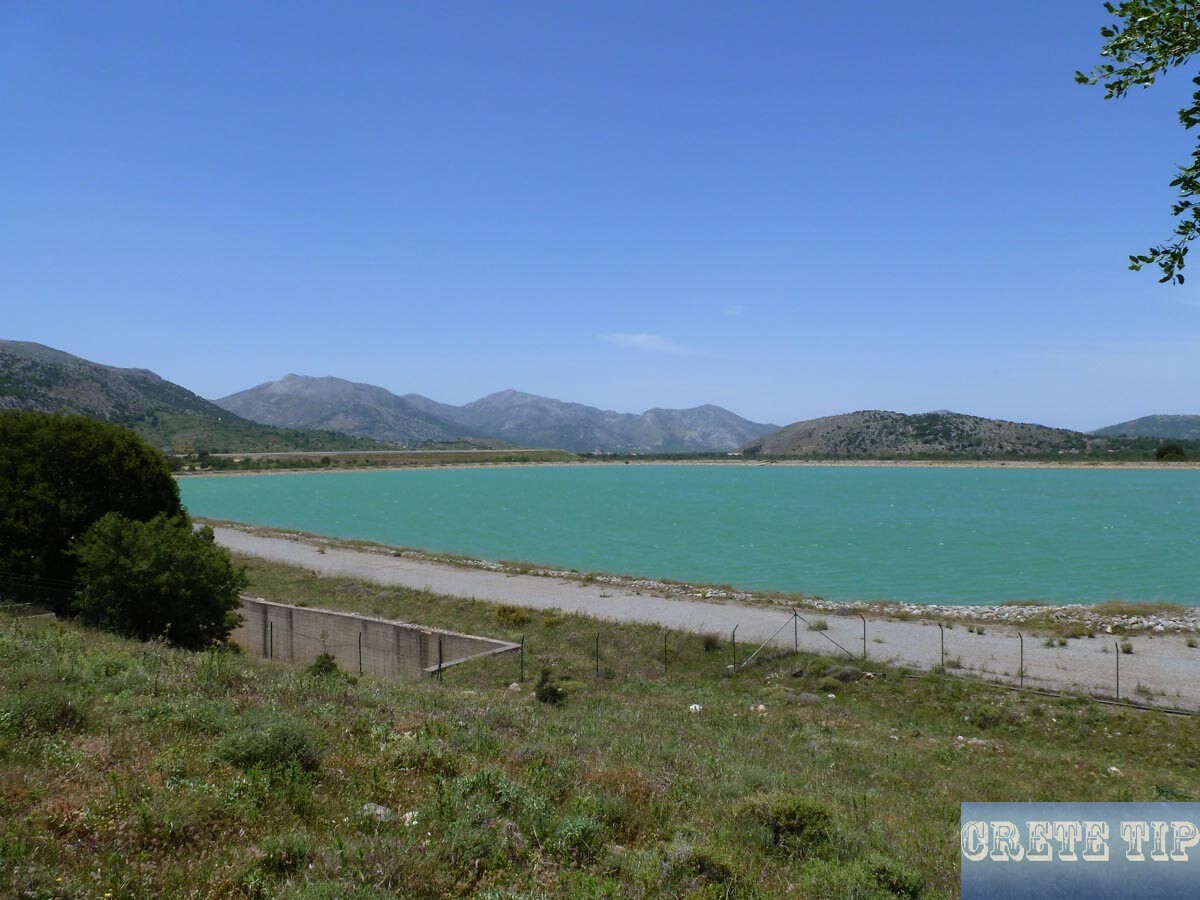
Crete has invested significantly in modernizing its water infrastructure. The island operates advanced desalination plants, including the Almyros facility near Heraklion, helping ensure consistent water supply throughout the year.
That said, the island does face seasonal challenges. During peak tourist season and periodic droughts, demand can outstrip supply. The Aposelemi Dam and other water sources can come under pressure during dry summer months, occasionally leading to temporary restrictions or outages in some areas.
This makes water conservation during your visit not just environmentally responsible, but practically important.
Practical Tips for Staying Hydrated in Crete
Here’s everything you need to know to make smart hydration decisions during your stay:
✅ Confidently Use the Tap When…
– You’re staying in western Crete (Chania, Rethymno)
– You’re in a mountain village with a known spring source
– You’re cooking or preparing hot drinks
🍶 Consider Bottled Water When…
– You’re in Heraklion or eastern Crete and find the taste off-putting
– You’re particularly sensitive to mineral content
– You want the convenience of a sealed bottle on the go
🌿 The Eco-Conscious Approach
Bottled water is inexpensive and widely available in Crete—but the environmental cost of single-use plastics adds up fast, especially in a sensitive island ecosystem.
Consider these alternatives:
– Carry a reusable water bottle and refill at public taps
– Pack a portable water filter for hiking and rural exploration
– When buying bottled water, choose Zaros—a local, community-owned brand that supports Cretan families
The Bottom Line

Tap water in Crete is officially safe to drink across the entire island. The best-tasting water is typically found in western Crete and mountain villages, while eastern regions may require an adjustment in expectations—or a preference for bottled water.
Whether you’re exploring ancient Minoan ruins, hiking dramatic gorges, or simply lounging on one of the world’s most beautiful beaches, staying properly hydrated is essential. The good news is that between safe tap water, magnificent public fountains, and world-award-winning local spring water, Crete gives you every reason to drink well.
And if you ever find yourself standing before one of those ancient stone fountains in a mountain village—cup your hands, take a sip, and taste something genuinely extraordinary.
*Have you tried the tap water or the famous fountains during your time in Crete? Share your experiences in the comments below—we’d love to hear your stories!*