Greece is famous for clear water, bright sun, and thousands of beaches. You’ll find everything from busy resort bays to quiet coves you can only reach by foot or boat.

That popularity sometimes makes it feel like certain stretches of coast belong to hotels, beach bars, or private clubs. But here’s the thing: Greek beaches are public spaces, even if businesses get permission to use certain parts of them.
Knowing the rules lets you enjoy the coast with confidence and spot when someone’s restricting access or space in a way that isn’t allowed.
The legal framework tries to balance public access, tourism, and environmental protection. Below, I’ll walk you through ten things you should know about “private beaches in Greece”—from sun loungers and beach bars to protected shores, vehicles, and the MyCoast reporting system.
1. What “seashore” and “beach” mean in Greek law

People often use words like coast, shore, and beach as if they’re all the same. Greek law, though, draws a line between aigialos—the legal seashore zone—and the beach zone behind it.
- The seashore, or aigialos, is the strip of land the sea regularly reaches, covered by the biggest usual waves.
- The beach zone starts inland from there and can extend up to 50 metres from the seashore’s edge.
This difference actually matters. When you stand at the waterline, you’re usually in the seashore zone. The sand where you toss your towel is probably within the beach zone.
2. Greece does not legally have “private beaches”

No one can buy, sell, or privately own the Greek seashore or beach zone. These areas always belong to the state and are treated as common-use public assets—they’re for everyone.
The state might grant a business, hotel, or club a temporary right to use part of the beach. That permission has a specific purpose, time frame, area, and rules. It never makes the coast private property.
A hotel can offer an organised beach experience, and a beach bar can set up loungers in a permitted area. But neither can claim the whole shoreline, charge you just to walk through, or block you from reaching the sea.
3. At least half of each beach must remain open

Businesses can’t cover the whole beach with umbrellas, loungers, or tables. At least 50% of the beach must stay free and accessible for the public.
This rule protects anyone who wants to sit on a towel, visit without paying, or just needs space. Operators also need to keep their stuff inside the boundaries of their concession.
You shouldn’t see fences, gates, or railings blocking or discouraging people from moving around. If you run into a controlled entrance that seems to block access to the actual beach—not just a hotel or restaurant—check the concession details or think about reporting it.
4. You must be able to reach the sea freely

Public access has to work two ways: from the road to the water, and along the shoreline.
Between separate businesses, there’s usually an open passage that’s at least six metres wide. If the frontages are each under 20 metres, it might drop to three metres. These gaps stop operators from forming an endless wall.
You should also find a clear strip by the water. Loungers, umbrellas, and tables can’t go right up to where the sea normally meets the land. There’s got to be a four-metre free zone from that natural edge.
In practice, you should be able to walk along the coast without dodging furniture or asking for permission to pass.
5. Most building and permanent activity is prohibited

Beach concessions usually allow simple use, not construction. Equipment should stay temporary and removable, without changing the shoreline for good.
Permitted examples include:
- umbrellas and sun loungers;
- movable tables and chairs;
- small wooden or temporary surfaces;
- lightweight changing rooms and showers;
- lifeguard gear;
- licensed mobile refreshment units and related facilities.
Permanent concrete bases, buildings, heavy structures, walls, and fixed installations aren’t usually allowed on the seashore. They can mess up the landscape, harm the coast, and cut down public use.
If you see a structure that looks fixed or hard to remove, it’s worth questioning. A business licence doesn’t make permanent construction okay.
6. Very small beaches face tighter controls

Beaches less than four metres wide or long—or under 150 square metres total—generally can’t be granted for private use. It’s practical: a handful of umbrellas could take up nearly all the space.
Sometimes there are exceptions, especially if a hotel is right next to the beach. Loungers on a tiny cove aren’t automatically illegal, but it’s worth a closer look.
You can check if the operator has a valid concession, keeps equipment within its area, and leaves a clear public route. Small beaches are especially at risk of becoming basically inaccessible, even if there’s no formal fence.
7. Ecologically important beaches receive stronger protection

Some coastal spots get extra protection because of their ecological, geological, or scenic value. Greek rules set apart protected seashores and beaches—often in Natura 2000 zones—and high-protection beaches, sometimes called “untouched beaches.”
On protected beaches, concessions are possible but stricter. Umbrellas, loungers, and tables can cover no more than 30% of the authorised area, less than in ordinary cases.
Untouched beaches have much tougher rules. The official list bans umbrellas, loungers, tables, refreshment units, water sports, music, lighting after sunset, motor vehicles, and any event with more than ten people.
Only national defence works, emergencies, or projects to restore the environment count as exceptions. The number of untouched beaches has grown from 198 to 251 since the framework began.
8. Noise and artificial light are strictly controlled

Coastal businesses have to keep sound within certain limits. If a concession borders homes, noise can’t go above 50 decibels anywhere in the allowed area. Elsewhere, the limit is usually 80 decibels.
These rules apply to small places and big beach bars alike. On untouched beaches, music is banned—even from a Bluetooth speaker.
Lighting is also limited. Operators can only use low-level lights that are really needed for safety and don’t mess with the coast’s natural vibe. After sunset on untouched beaches, artificial lighting is totally banned.
If loud music or bright lights bother nearby homes, wildlife, or your peace, make a note of the location and time. You can double-check what you see against the concession info on MyCoast.
9. Vehicles are generally banned from beaches
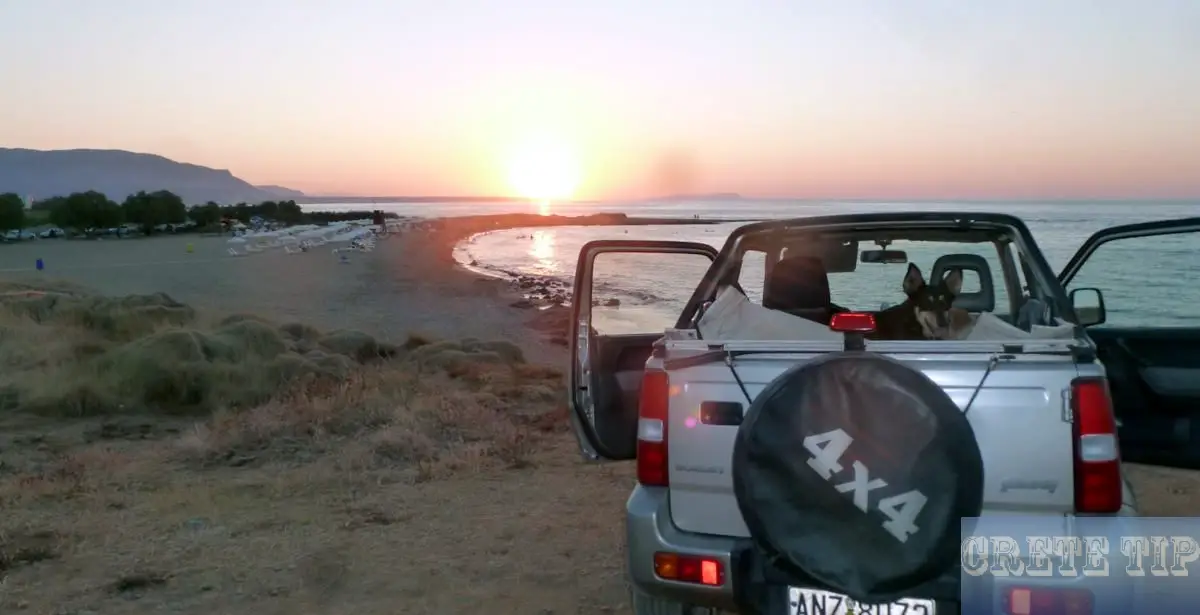
Most vehicles aren’t allowed on beaches. The main exception is a licensed self-propelled or towed mobile refreshment unit, like a food or drinks trailer.
These units can’t take up more than 15 square metres. They usually have to be at least 100 metres from hotels, leisure venues, or other mobile units. Just because you see a vehicle parked on the sand doesn’t mean it’s allowed to trade.
Operators can’t reshape the coast or change its natural form. They might be allowed a little sand screening for cleaning, but using heavy machinery for levelling or moving stuff can break the rules. Major damage to landforms can even bring criminal penalties, including at least two years in prison.
10. Beach businesses must display the MyCoast QR code

Every legal concession on the seashore or beach zone should show up on the MyCoast digital platform. Businesses also have to post a clear sign with a QR code at the concession.
Scan the code with your phone to see the authorised location, size, use, and length of the concession. If what’s happening on the sand doesn’t match what’s published, you can file a complaint through the system.
The QR sign is handy when you’re right there on the beach. If the sign is missing, unclear, or wrong, there’s a €1,000 fine. If you report a suspected violation, keep photos, the location, and the time.
Frequently Asked Questions

Are private beaches legally permitted in Greece?
Nope. The Greek seashore and beach zone are public spaces and can’t become private property. A business can get temporary permission to use part of the coast, but public access must stay open.
What does the new Greek beach law mean for beach bars and private access?
Beach bars have to work within the boundaries and rules of their concession. They can’t block public routes, take over the whole beach, build permanent structures, or stop you from getting to the water.
Can hotels reserve sections of a beach exclusively for their guests?
A hotel might get permission to use a limited part of the coast, following the rules. But they can’t reserve the whole beach for guests or keep others from passing through and reaching the sea.
How is the shoreline and beach zone legally defined in Greece?
The seashore (aigialos) is the land the biggest usual waves reach. The beach zone starts inland from that and can go up to 50 metres from the seashore’s edge.
What are the building restrictions near the seashore and beach zone?
Permanent buildings, concrete bases, walls, and heavy installations are generally banned on the seashore. Allowed facilities are usually temporary things like loungers, umbrellas, lightweight showers, and licensed mobile units.
What rights do the public have to access beaches in Greece?
You can reach and use Greek beaches without charge, as long as you follow safety and environmental rules. The law says at least half of a typical beach must stay open to the public.
Public paths have to stay clear, so you should always be able to walk along the shoreline without anyone blocking your way. Honestly, if you ever find a beach where you can’t move freely, that’s not supposed to happen.
Source: CretaLive