Newsflash from Tuesday, 20 January 2026:
Crete is globally known for its beaches, crystal-clear waters, and vibrant summer tourism. Yet beyond the sunbeds and resorts lies a lesser-known dimension of the island—one rooted in faith, history, and profound spirituality. Monastery tourism, also known as religious or pilgrimage tourism, represents an “invisible asset” that has the potential to reshape Crete’s tourism model into something more sustainable, authentic, and year-round.
Crete: An Island of Deep Spiritual Heritage
Crete’s spiritual identity stretches back to the earliest days of Christianity. According to tradition, the Apostle Paul and his disciple Titus—considered the first Bishop of Crete—laid the foundations of the Christian faith on the island. Over the centuries, monasteries became not only places of worship but also centers of learning, culture, and resistance during periods of Venetian and Ottoman rule.
Today, Crete is home to more than 300 active and inactive monasteries, along with thousands of chapels scattered across mountains, gorges, and coastlines. This remarkable density of sacred sites forms a unique spiritual mosaic that few European destinations can rival.
Why Monastery Tourism Matters Today
Modern travelers are increasingly seeking meaningful experiences—journeys that offer cultural depth, spiritual reflection, and a connection to local traditions. Monastery tourism aligns perfectly with these trends. It promotes:
– Soft and sustainable development, avoiding mass tourism pressures
– Year-round travel, helping extend the tourist season
– Cultural and spiritual enrichment, rather than purely recreational travel
Countries and regions such as Meteora in mainland Greece have already demonstrated how religious tourism can thrive. Crete, despite its immense potential, remains largely underutilized in this field.
Iconic Monasteries Shaping a New Tourism Narrative

Arkadi Monastery: Faith and National Memory
The Holy Monastery of Arkadi, near Rethymno, stands as one of Crete’s most powerful symbols. The tragic Holocaust of 1866 transformed Arkadi into a global emblem of sacrifice and freedom. Beyond its historical significance, the monastery features impressive architecture, a library, and a museum, offering visitors a comprehensive cultural and spiritual experience.
With better integration into thematic routes, educational tourism programs, and religious or historical conferences, Arkadi could serve as a cornerstone of monastery tourism in Crete.
Arsani Monastery: A Model of Gentle Development
Less well-known but equally significant is the Monastery of Arsani, also near Rethymno. It combines active monastic life with hospitality and social engagement, presenting a modern example of how monastery tourism can develop without losing its spiritual character. The monastery has the potential to host spiritual retreats and organized domestic tourism groups seeking tranquility and reflection.
Toplou Monastery: Where Faith Meets Local Economy
In eastern Crete, near Sitia, the Monastery of Panagia Akrotiriani of Toplou offers a compelling blend of spirituality, culture, and local development. With its renowned museum, rare icons, and organized agricultural production, Toplou demonstrates how monastery tourism can connect seamlessly with agrotourism and local products.
Promoting the monastery in international Orthodox tourism markets, while linking it with wine and food tourism, could significantly boost the region’s appeal.
Koudoumas Monastery: Authentic Pilgrimage in Nature
Perhaps the most striking example of authentic pilgrimage tourism is the Monastery of Koudoumas in the Asterousia Mountains. Remote access, dramatic natural surroundings, and deep spirituality create an experience far removed from mass tourism. Koudoumas could become a key stop on religious and hiking routes, uniting faith, nature, and Cretan tradition—always with respect for its sacred character.
Toward a Unified Monastery Tourism Strategy

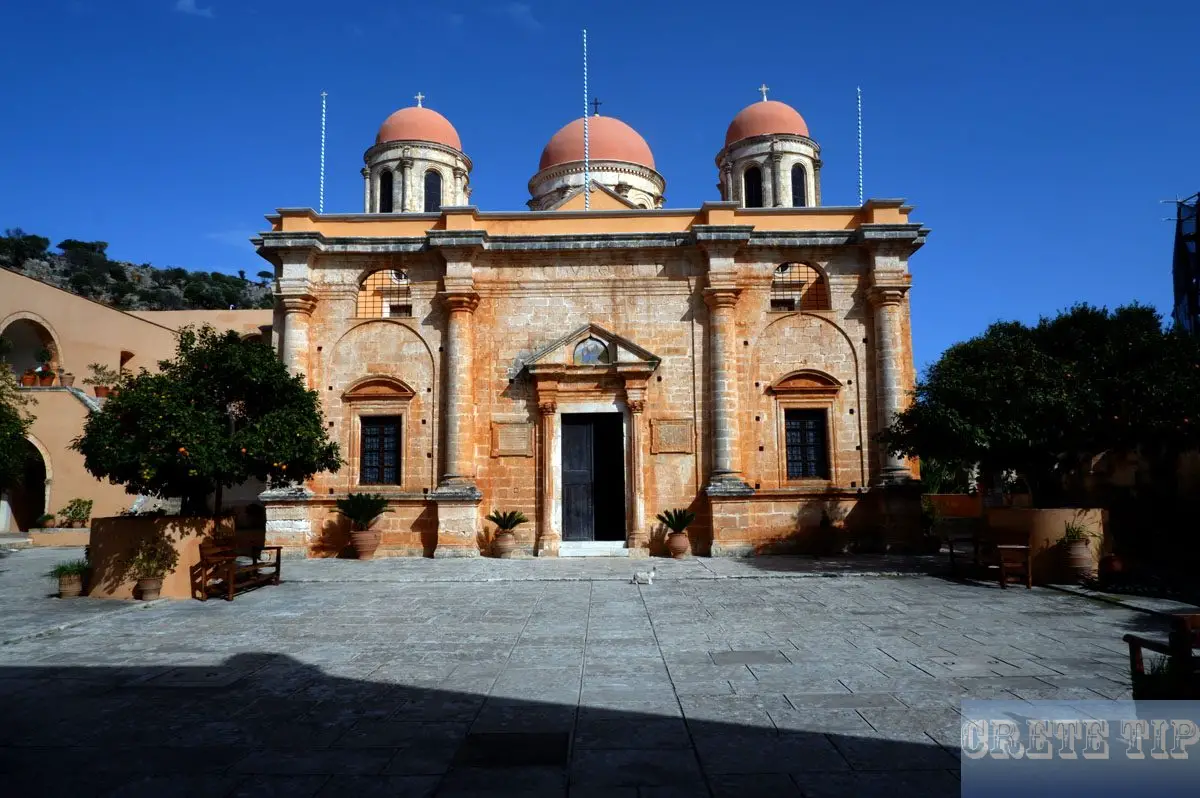
Beyond the famous sites, dozens of monasteries across Crete—such as Preveli, Agia Triada Tzagarolon, and many others—could be woven into a unified narrative of religious tourism. Strategic cooperation between local authorities, the Church of Crete, and tourism stakeholders is essential.
Such a strategy could:
– Increase hotel occupancy, especially in cities and during shoulder seasons
– Strengthen domestic tourism through organized pilgrimage groups
– Position Crete as a leading destination for Orthodox and cultural tourism
A New Vision for Crete
Crete will always be a land of sun and sea. But it is also an island of faith, resilience, and spiritual depth. Monastery tourism offers a powerful opportunity to enrich the island’s tourism identity—one that honors its past while building a more balanced and sustainable future.
For travelers seeking more than just a holiday, Crete’s monasteries open the door to an experience that touches both history and the soul.