

Planning a trip to Crete in 2026 without a real budget is a bit like driving into the White Mountains with no fuel. You’ll end up somewhere, just probably not where you hoped.

Crete still gets called a “budget Mediterranean destination” on travel forums, but prices on the island have changed a lot in the last few years. If you bring the wrong expectations, you’ll pay for it—sometimes literally twice.
The honest version: Crete is great value if you know what you’re actually paying for, and surprisingly expensive if you don’t. Hospitality prices have jumped about 35 to 45 percent since 2019. A mid-range double room in a good coastal spot now runs 90 to 140 euros per night in high season.
That single line item already blows past the total daily budget you’ll see in a lot of older articles online.
This guide is built around what travelers really spend in 2026, not just what sounds comforting before you click “book.” You’ll get real price ranges by category, honest seasonal swings, regional breakdowns, and sample trip totals you can actually check for yourself.
Hopefully, these details help you put together a Crete itinerary that actually works.
What A Realistic Daily Budget Looks Like
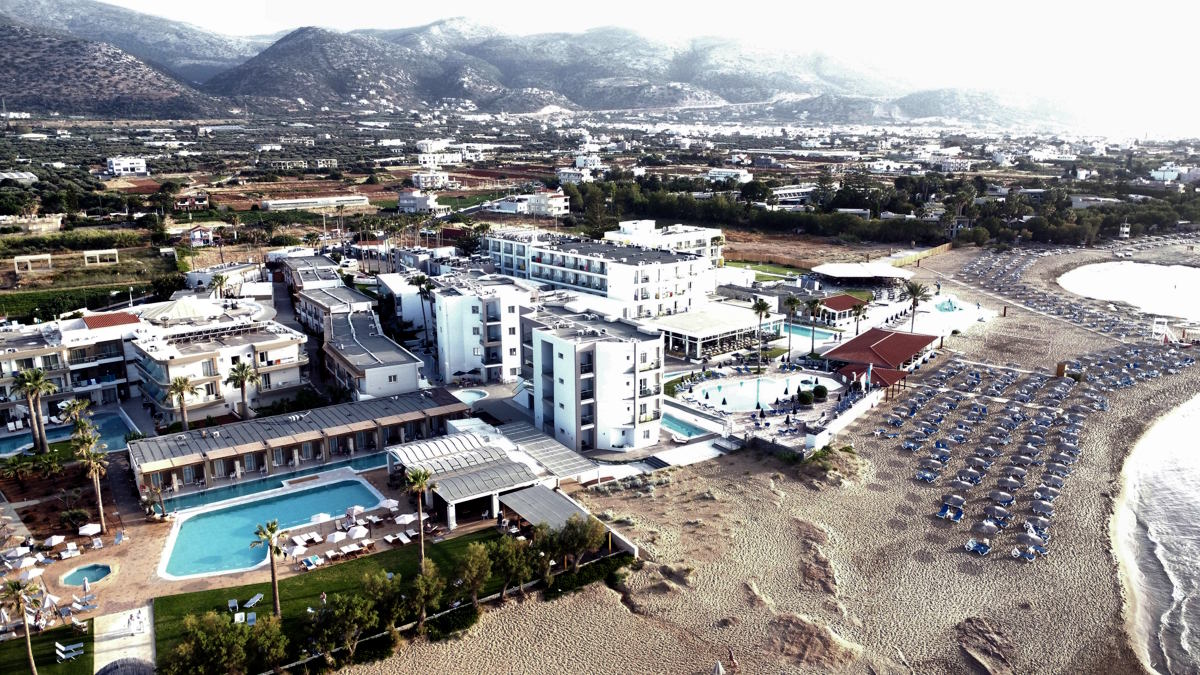
Your daily spend on Crete mostly comes down to three things: when you go, where you sleep, and whether you hire a car. Nail those, and the rest falls in line. Miss them, and your budget unravels before you’ve even had your first coffee.
Shoestring Traveller
This budget is possible, but it takes some real commitment. A hostel dorm bed costs 25 to 40 euros per night.
Supermarket breakfasts and lunches run about 10 to 12 euros per day. One local taverna dinner comes in at 15 to 18 euros, plus bus or the odd taxi ride.
You’re looking at about 40 to 60 euros per person per day, not counting flights.
The limits are real. You won’t get to most of the best southern or mountain spots without a car, and sunbed fees at organized beaches (10 to 20 euros per set daily) cut into your margin fast.
Free beaches exist and often beat the crowded ones, but you’ll need transport to find them.

Comfortable Mid-Range Stay
Most independent travelers end up here, and it’s probably the most useful benchmark. A decent guesthouse or apartment double costs 80 to 120 euros per night.
Car hire adds 30 to 45 euros per day if you book ahead and get full insurance. Two taverna meals, a coffee, and a snack will be 35 to 50 euros per person. Toss in the occasional entrance ticket or boat trip.
Realistically, you’re spending 90 to 130 euros per person per day on a mid-range week, not counting flights.

Higher-Spend Holiday
If you want a hotel with a pool in a prime spot, expect to pay 130 to 200 euros per night in July and August. Private villas (three-bedroom) run 250 to 500 euros per night.
Add restaurant dining, organized day trips, and waterpark or boat excursion fees, and this bracket jumps to 200 euros or more per person per day.
When Prices Rise And Fall Across The Year
Timing is the single biggest lever you have over your travel budget for Crete in 2026. Accommodation costs can swing by 40 to 50 percent between peak and shoulder season.
This gap shows up in just about every other spending category. Picking the right month can double your spending power.
Spring And Early Summer
Late April through early June is where the value lives. It’s warm enough for swimming on the south coast, the crowds haven’t arrived yet, and accommodation prices are 30 to 50 percent below August rates.
A room that’s 120 euros in August might go for 60 to 75 euros in May. Car hire is easier to find and cheaper, too.
Hiking routes are at their best before the summer heat. Trails like the Samaria Gorge are way more enjoyable when it’s still mild out.
Peak Summer Weeks
July and August are, by far, the most expensive weeks to visit Crete. Every spending category maxes out: accommodation, car hire, beach sunbeds, excursions, even restaurant prices in tourist areas creep higher.
Last-minute car hire in August from Heraklion Airport can hit 65 to 100 euros per day, compared to 30 to 45 euros if you booked three months ahead. If you have to travel in peak summer, book everything in advance. Showing up in August without a car reservation is a rough lesson.
Autumn And Shoulder Season
September and October are a sweet spot: warm weather, lower prices, and thinner crowds. The sea stays warm into October.
Accommodation prices start dropping by mid-September. North-coast resorts feel less chaotic, and it’s easier to get around.
This is a great time if you want to mix beach time with exploring inland areas, mountain villages, or gorges that are brutal in July heat.
Winter Trade-Offs
November through March is the cheapest time by a mile, but Crete in winter is a different place. Many coastal businesses shut down completely.
Southern and inland villages still run for locals, and Heraklion and Chania keep a year-round rhythm, but your experience depends on what’s open. Accommodation drops dramatically: 35 to 55 euros for rooms that get 120 euros in August.
If you’re into history, hiking, or seeing how Crete really works as a place people live, winter can be genuinely rewarding. If you’re there for the sea, maybe rethink it.
Where Your Money Goes Fastest
On Crete, budgets tend to blow up in a few predictable spots. Accommodation is the biggest, but car hire, daily beach costs, and eating in the wrong places quietly wreck careful plans.
Accommodation Costs By Area
Where you stay in Crete matters almost as much as when you go. North coast resorts like Hersonissos, Malia, Agia Pelagia, and the Heraklion coastal strip charge the highest rates in season.
Chania’s old town costs more for its charm. Rethymno’s Venetian harbor does the same. Inland and southern villages are reliably cheaper.
A studio in a mountain village or a south-coast base like Ierapetra or Plakias might be 40 to 60 euros per night even in July. That same money won’t get you much on the popular north coast.
Car Hire, Fuel And Parking
Most trips need a car. Crete stretches 260 kilometers from west to east, and the bus network only really covers the northern highway. The rest is tough to reach without your own wheels.
Budget for the hire, full insurance (10 to 15 euros per day extra), and fuel at about 1.80 to 2.00 euros per liter. Parking in Heraklion and Chania city centers adds a cost, but in resort areas it’s often free or informal.
Mountain and village roads can be tricky, so comprehensive insurance isn’t just a nice-to-have—it’s practical.
Food, Coffee And Tavernas
A local taverna meal with a main, shared starters like dakos, house wine, and water runs 15 to 22 euros per person. Dakos—a rusk-based salad—is everywhere and worth a try.
This price is still around in 2026, but only if you eat where locals do. The rule of thumb: walk at least three streets back from any organized beach before picking a restaurant. If the menu has photos, keep walking.
Most authentic tavernas will even bring a little bottle of raki on the house at the end. Harborfront tourist areas on the north coast often charge 30 to 45 euros per person for food that’s, honestly, usually worse.
Greek coffee is 2.50 to 4.50 euros, depending on where you are. If you self-cater with supermarket breakfasts and lunches, plan for 10 to 15 euros per person per day.
Beaches, Sights And Activity Fees
Organized beaches charge 10 to 20 euros per sunbed-and-umbrella set each day. For a couple visiting daily, that adds up to 70 to 140 euros in a week.
Free beaches with no infrastructure are everywhere and often better than the organized ones. Still, many people budget for the drive to Elafonisi beach or a boat trip to Balos Lagoon on the west coast.
Major archaeological sites have entrance fees. Knossos Palace is 20 euros per adult. The Heraklion Archaeological Museum is worth budgeting for if you want to see what was found at those sites.
Day trips and boat excursions can range from 25 euros for a basic transfer to 80 euros or more for a full-day organized tour.
Regional Price Differences Around The Island

Crete’s big enough that your base genuinely shapes your budget. The difference between a north-coast resort and a southern village isn’t small—it can mean the difference between a stressful trip and a comfortable one for the same money.
North Coast Resort Areas
The northern corridor from Heraklion through Rethymno and Chania, and east through Hersonissos, Malia, and Sissi, is where most package tourism lands. Prices reflect that.
In July and August, basic accommodation here starts at 100 euros per night for a double. Restaurants near the beach push food costs higher, too.
The upside is convenience: good bus links, easy airport access, and close to the busiest attractions. The catch? You’ll pay extra for every bit of that convenience.
Chania, Rethymno And Heraklion
Each of the three main cities has its own price feel. Chania’s old town is the most atmospheric—and the most expensive for accommodation inside the city.
Rethymno’s Venetian old town is close behind. Heraklion is more of a working city than a tourist spot, so some costs stay grounded.
It’s also the base for the Heraklion Archaeological Museum. All three cities have good local restaurants at reasonable prices if you walk ten minutes from the main tourist areas.
Supermarket shopping in city centers is straightforward. Parking fees in Heraklion and Chania add a small daily cost for drivers.
Eastern Crete And Lassithi
Eastern Crete—think Agios Nikolaos, the Lassithi Plateau villages like Psychros and Tzermiados, and the road across to Ierapetra—tends to have much lower accommodation prices than the famous north-coast resorts. Agios Nikolaos is pretty and well connected, but you’ll still find some resort-era pricing there.
If you head further into the plateau or out to the east coast, prices drop in a way you can really feel. The Lassithi Plateau especially offers great value as a base for exploring the region’s history and landscape—Zeus Cave, Kritsa, Karfi, and all those winding drives.
Village guesthouses around here run 50 to 80 euros a night, even at the height of summer. Not bad at all if you’re looking to stretch your budget.

Southern Villages And Remote Bases
The south coast is where Crete’s price game changes completely. Villages like Matala, Plakias, Agia Galini, and Paleochora keep accommodation costs well below the north.
Studios and small apartments usually go for 40 to 65 euros a night during the season. Taverna meals are cheaper, beaches are often both free and uncrowded, and the whole vibe is less about squeezing every euro from visitors.
The catch? Access. You’ll need a car, the roads can be winding and slow, and some services are thinner on the ground.
If you’re up for the drive, though, the south almost always gives you more island for your money.
How To Spend Less Without Feeling Miserable

There’s a world of difference between a budget that feels fine and one that feels like punishment. Most of it comes down to a few practical choices you make before you even get to Crete.
Cutting costs works best when it doesn’t cut out the experience you came for.
Choosing The Right Base
Where you sleep shapes everything. Basing yourself in a southern village or an inland town instead of a north-coast resort can cut accommodation costs by 30 to 50 percent.
You still get the scenery you came for, but the south coast’s beaches are quieter, the food’s cheaper, and the experience feels a lot more authentic.
If you want city access, try Heraklion’s outer neighborhoods or somewhere just outside Chania’s old town. You’ll get reasonable prices and easy access to both the city and the highway.
Skip the “inside the old town” addresses unless you really care about the view—they come with a hefty premium for not much extra.
Timing Excursions To Cut Costs
Some of Crete’s most popular attractions—Knossos Palace, for example—charge less for early morning entry. They’re also way more pleasant before the coach tours show up.
Booking tickets online in advance often saves you a few euros, too. For boat trips and day tours, mid-week bookings sometimes work out cheaper than weekends.
Driving to free beaches early in the day means you’re gone before the sunbeds start looking tempting (and before parking becomes a battle). It’s a small thing, but it adds up.
Eating Well Without Tourist Mark-Ups
The three-streets rule is golden: walk three streets back from any beach or harbor before you sit down to eat. Local tavernas tucked near village squares or on side streets serve the same food—often better—for 30 to 40 percent less than the places right on the water.
Handwritten or chalkboard menus are a good sign. Laminated photo menus? Just keep walking.
Supermarket breakfasts with Greek yogurt, local honey, bread, and fruit cost about 5 to 7 euros per person. Honestly, they’re usually better than most hotel buffets anyway.
Avoiding False Economy
The cheapest car hire quote almost never includes proper insurance, and Cretan roads—especially coastal tracks and mountain switchbacks—aren’t forgiving. Paying 10 to 15 euros extra per day for full cover is just common sense.
One scrape can cost you 800 to 1,500 euros, so don’t risk it. Same goes for booking accommodation with no cancellation just to save 10 euros a night.
Shoulder season prices are already low, so paying a little more for flexibility is worth it if your plans change.
Sample Costed Trip Scenarios

Daily budgets are fine, but most people want to know the total trip cost. Here are a few scenarios based on two adults traveling together in May or early June—realistic prices, no August madness.
One Week Without A Car
This approach works if you base yourself in Heraklion, Chania, or Rethymno and use the northern bus network for day trips. It doesn’t really work if you’re set on the south coast, Lassithi Plateau, or remote beaches.
| Category | Estimated Cost (2 people, 7 nights) |
|---|---|
| Accommodation (80 EUR/night) | 560 EUR |
| Food (30 EUR/person/day) | 420 EUR |
| Transport (buses, taxis) | 120 EUR |
| Entrance fees and activities | 80 EUR |
| Incidentals and sundries | 60 EUR |
| Total | 1,240 EUR |
That’s about 620 euros per person for the week, not counting flights.
One Week With A Hire Car
A hire car really opens up the island. If you book three months ahead and get full insurance, it adds a fixed cost but saves you a lot of small transport headaches and lets you reach the good spots.
| Category | Estimated Cost (2 people, 7 nights) |
|---|---|
| Accommodation (90 EUR/night, slightly more flexible location) | 630 EUR |
| Food (30 EUR/person/day) | 420 EUR |
| Car hire with full insurance (40 EUR/day) | 280 EUR |
| Fuel | 80 EUR |
| Entrance fees and activities | 100 EUR |
| Incidentals and sundries | 70 EUR |
| Total | 1,580 EUR |
That’s about 790 euros per person for the week, flights not included. The car ends up costing each person around 85 euros for the week, and honestly, it makes the trip a lot more fun.
Two Weeks For Slow Travel
With two weeks, you can really step away from the tourist treadmill and see how the island ticks. Renting an apartment or studio for a longer stay usually gets you a better rate than booking night by night.
| Category | Estimated Cost (2 people, 14 nights) |
|---|---|
| Accommodation (75 EUR/night average, negotiated for longer stay) | 1,050 EUR |
| Food (28 EUR/person/day, more self-catering) | 784 EUR |
| Car hire with full insurance (35 EUR/day) | 490 EUR |
| Fuel | 140 EUR |
| Entrance fees, boat trips, activities | 180 EUR |
| Incidentals and sundries | 120 EUR |
| Total | 2,764 EUR |
That’s about 1,382 euros per person for two weeks, flights not included. The daily cost drops a lot compared to a one-week trip, since you spread the fixed costs out.
Frequently Asked Questions
How many euros does a week in Crete typically cost in 2026 (and will my wallet survive it)?
A week for two people traveling mid-range, with a hire car and decent accommodation, realistically lands between 1,400 and 1,800 euros on the ground (not counting flights). Your wallet survives just fine if you plan ahead, but it’ll take a beating if you show up in August, book last minute, and eat every meal right on the water.
Is 400 euros enough for a week in Crete, or am I living on olives and optimism?
For one person traveling outside peak season, staying in hostel dorms, using buses, and self-catering most meals, 400 euros is tight but doable. In July or August in a coastal resort, 400 euros covers maybe four nights of basic accommodation—don’t expect much more. Adjust your timing or expectations as needed.
Are food and drinks in Crete pricey in 2026, or just ‘holiday pricey’ (aka daylight robbery)?
It really depends on where you eat. A proper local taverna meal costs 15 to 22 euros per person, wine included, and that’s still a thing. A beachfront tourist restaurant in a northern resort might charge 30 to 45 euros for a much less convincing meal. The food in Crete is good value; the view surcharge isn’t.
Which areas in Crete are best for budget stays in 2026 without ending up in a broom cupboard?
The south coast and inland spots usually have the best mix of price and quality. Plakias, Agia Galini, Ierapetra—plus the villages near the Lassithi Plateau—offer studios and guesthouses for around 40 to 70 euros a night, even in high season.
You’ll need a car to get the most out of these places. Honestly, though, what you save on accommodation often covers the car hire anyway.
Do all-inclusive holidays in Crete in 2026 actually save money, or just encourage competitive buffet behaviour?
All-inclusive makes the most sense in July and August, when food and drink prices shoot up. The rest of the year, the savings get pretty slim, and you might pay for meals you never touch.
If you want to explore villages, eat local food, or just roam around Crete, all-inclusive feels restrictive no matter how the numbers add up. Why limit yourself?
Is Crete cheaper in March or October 2026, and will the weather punish me for saving money?
October usually works out better for most travelers. The sea stays warm, and temperatures feel just right for hiking or wandering around.
Prices for places to stay drop a lot after mid-September. March does cost even less, but you’ll gamble with the weather and find some south-coast spots still closed up.
The island in March can feel almost like a different place compared to what most folks picture when they dream of Crete.


