

Crete rewards patience more than most Greek islands. Show up at the wrong time or pick the wrong stretch of coast, and prices climb fast.

Get the timing and basics right, though, and you can eat well, sleep comfortably, and see a huge amount of the island without spending like it’s Santorini or Mykonos.
A realistic couple’s budget on Crete is usually between €60 and €90 a day. That covers accommodation, food, local transport, and a few paid activities—as long as you avoid the peak of summer and choose your base wisely.
That figure shifts a lot depending on your timing, where you stay, and whether you hire a car. Let’s break down where that money actually goes, and how you can trim it without missing out.
Crete isn’t a place where you need to hunt for bargains every minute. The island has its own rhythm of cheaper and pricier months, quieter and busier coasts, and if you work with that rhythm, your money stretches further.
Setting a Realistic Spending Plan

Crete is Greece’s largest island, so it offers a range of experiences for almost any budget. Before booking, it helps to have a rough idea of what you’re aiming for.
Costs here swing more with the calendar and coastline than almost anywhere else in Greece. So, a sensible plan needs a bit of flexibility.
What a Low-Cost Week Can Realistically Cost
For a couple traveling in shoulder season, a week on Crete using guesthouses, tavernas, and buses usually lands between €450 and €650 total, not counting flights. That covers a double room, two meals out most days, some self-catering, and a handful of paid entries like the Palace of Knossos or a hike through the Samaria Gorge.
Solo travelers using hostels or self-catering studios can often get a week down to €250–€350. Families need to budget more for car hire and bigger rooms, but kids’ meals and many attraction tickets cost less, which helps balance things out.
How Season and Location Change Daily Costs
August in a north-coast resort and October in a southern village can feel like two different holidays. A studio costing €90 a night near Malia or Elounda in peak season might be €50 in Plakias in late September for a similar standard.
Food, car hire, and even bus frequency all shift with the season. If your dates move into July or August, revisit your spending plan.
Essential Costs Versus Optional Extras
Accommodation, food, and getting between towns make up your fixed costs. Sunbeds, guided tours, shopping, and drinks at seafront bars are where budgets usually leak.
Pay for things that create real memories—like a gorge entry fee or a proper taverna meal—and skip the ones that just add convenience at a markup. Swapping a sunbed for a €5 beach mat is a classic budget move.
Drinking local house wine and grabbing snacks at neighborhood bakeries can keep your daily spend low. These small choices let you enjoy the island without feeling like you’re always overspending.
Choosing the Best Time and Area to Stay

Where and when you stay changes your budget more than almost anything else. Flights, room rates, and even the price of a Greek coffee change with the month, and your chosen coastline can double or halve your daily costs.
Cheaper Months for Flights and Accommodation
May, June, September, and October are the sweet spot for value. The sea is warm, most tavernas and shops are open, and prices sit well below the August peak.
If you’re after the lowest prices, May is often considered the cheapest month to visit Crete. A double room that costs €90 a night in mid-August can drop to €45–€55 by late September.
Traveling during these months gets you the best weather without the high price tags. November through March is even cheaper, but many coastal businesses close for winter, so it suits a different kind of trip.
Comparing North-Coast Resorts and Southern Villages

The north coast—think Malia, Heraklion, and parts of Chania—has more infrastructure. That’s typical for major hubs in Greece, where accessibility is higher.
Even in popular places like Agios Nikolaos, you’ll find a range of prices if you look a few streets back from the lake. Using Agios Nikolaos as a hub is a smart move if you want to explore eastern Crete while staying in a lively town.
Exploring the pedestrian streets of Chania Old Town gives you loads of atmosphere without costing anything. Strolling along the Venetian Harbor at sunset is a highlight that’s totally free.
Walking through Rethymno Old Town offers a similar vibe, with its blend of Venetian and Ottoman influences. Many people find Rethymno is a more budget-friendly base than Chania, but still has plenty of historical charm.
Southern villages like Plakias and Hora Sfakion are quieter and often better value. Exploring the Lasithi region or areas near Ierapetra can reveal much more affordable tavernas and rooms.
Neither option is automatically “better.” It really depends on whether you want convenience or a slower pace.
When a Car Saves Money and When It Does Not
A car is worth the cost when you’re staying inland or want to reach gorges, mountain villages, or the south coast on your own. If you’re based in a walkable town and mostly want beaches and tavernas nearby, buses and your own feet usually work out cheaper and less stressful.
Finding Good-Value Places to Sleep

Accommodation is usually the biggest single cost on a Crete holiday. It’s also where you’ll find the widest range of prices for a similar standard of comfort.
Knowing what kind of stay suits your trip, and how to judge whether a price is fair, can make a real difference.
Studios, Guesthouses and Self-Catering Apartments
Family-run studios with a kitchenette are often the best value on the island. Expect to pay around €40–€65 a night for a double room with air conditioning and a small kitchen in shoulder season, rising in peak summer.
Having a kettle and fridge cuts your food spend, since breakfast and a light lunch can come from the local supermarket.
f you want a really tight budget, camping is another solid option. Sites like Camping Nopigia and Camping Mithimna in the west, or Camping Elizabeth near Rethymno, let you stay close to the beach for less.
Solo travelers should consider hostels. Cocoon City Hostel in Chania is a good example, offering budget accommodation within walking distance of the old town.
Choosing a hostel dorm can seriously lower your nightly costs. If you want more privacy, plenty of budget hotels offer clean, basic rooms for a fraction of the cost of luxury resorts.

How to Spot Honest Accommodation Value
Look past the headline price and check what’s actually included. Air conditioning, hot water at all hours, and a private bathroom matter way more than a sea-view balcony you’ll barely use.
Sometimes, messaging a small guesthouse directly gets you a slightly better rate, especially for longer stays.
Staying Outside the Busiest Resort Centres
Staying a short drive or bus ride from the main resort strip often brings lower prices for a similar or better standard of room. Villages just inland or a few kilometers along the coast usually have more relaxed pricing and a more local feel in the evenings.
Keeping Food and Drink Costs Down

Greek food is one of the easiest ways to save money without lowering your standards. You can find fine dining, sure, but good ingredients are cheap and widely available at smaller spots.
Where you eat matters way more than how much you spend. Finding cheap eats in Crete is easy if you look for local spots away from the main squares.
Eating Well at Local Taverns
A proper taverna meal—salad, a main, and bread—usually runs €10–€15 per person away from the busy seafronts. Try dakos, a traditional Cretan salad of barley rusks, tomatoes, and cheese; it’s filling and often one of the cheapest things on the menu.
Ask what’s cooked that day instead of just ordering from a laminated menu. The daily dishes are usually cheaper and better.
Many taverna meals end with a complimentary small carafe of raki and some fresh fruit. It’s a local gesture that keeps your bill down.

Using Bakeries, Markets and Supermarkets
Look for a local fournos (Greek bakery) for the freshest snacks. A warm tiropita or spanakopita from a fournos costs around €1.50–€2.50 and makes a filling breakfast or snack.
Grab a pita gyros or a souvlaki for a few euros—they’re some of the most reliable ways to eat well on a tight budget. Local markets and supermarkets sell fruit, olives, cheese, and bread cheaply, which is perfect if you have even a basic kitchenette.

Avoiding Common Tourist-Area Price Traps
Menus with photos, multiple languages, and a tout outside are usually a sign to keep walking. Prices near major sights and seafront strips can be much higher for the same dish you’d find two streets back.
Getting Around Without Overspending
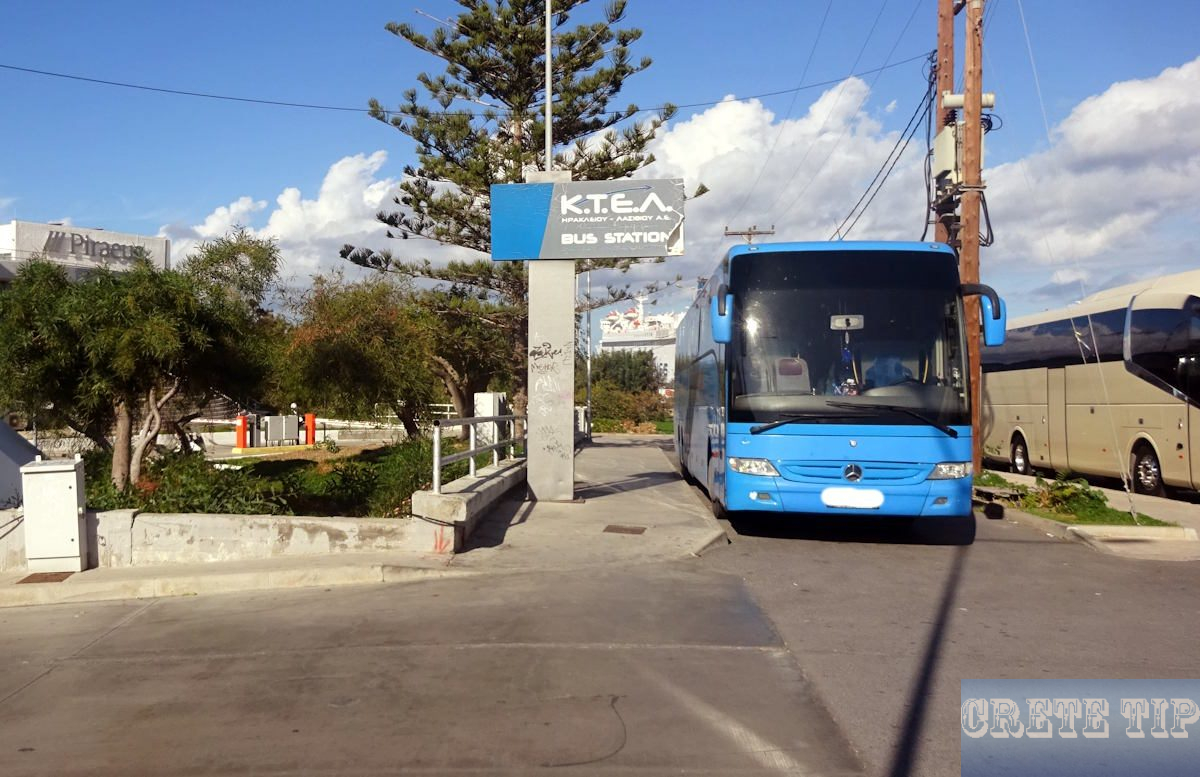
Transport choices can either protect your budget or quietly eat into it. Crete is a big island, so it’s worth thinking honestly about how much ground you really need to cover.
Using KTEL Buses for Major Routes
The KTEL bus network links all the main north-coast towns reliably and cheaply. If you land at Heraklion Airport, skip the expensive taxis and use the local bus to get to the city center for a fraction of the price.
A one-way fare from Heraklion to Rethymno is about €7.70, and Heraklion to Chania is around €14.20. The bus station in Rethymno is really convenient if you’re staying in the old town or near the beach.
Routes also run frequently to eastern hubs like Agios Nikolaos and Elounda. From Agios Nikolaos, you can get affordable local connections to smaller villages further east.
Tickets are bought at the terminal or on board, and you don’t need to book ahead unless it’s the busiest weeks of the year.

Making Car Hire Costs Work for Your Itinerary
Local Cretan agencies often beat the big international chains on price. Small manual cars usually start at around €22-€30 a day in shoulder season.
You can pick up a local rental straight from the airport or have it delivered to your accommodation. Only hire a car for the days you actually need to reach gorges, mountain villages, or the south coast.
For the rest of your trip, stick to buses or walking. It’s a lot less stressful than driving everywhere, honestly.
Fuel, Parking and Road Costs to Consider
Fuel in Crete usually costs about €1.85-€2.00 per litre. Before paying extra for the rental company’s insurance, check if your bank card already covers collision damage.
Some town centres have limited free parking, so keep that in mind when planning where to leave your car. Parking fees can sneak up on you if you’re not careful.
Enjoying the Island for Less

Crete’s real budget secret isn’t cheap hotels—it’s how much you can enjoy for free or almost nothing. Beaches, walking trails, and village life are all out there, waiting, if you just put in the effort to get there.
A few smart habits go a long way to prevent little costs from piling up. You’ll be surprised at how much you can do without spending much.
Free Beaches, Walks and Village Days Out
Most of Crete’s coastline is free to access. Sunbeds are the only thing you might pay for, and they’re optional.
Famous places like Balos Lagoon and Elafonisi Beach are way cheaper if you use public transport instead of booking a tour. The savings are pretty dramatic, honestly.
Along the south coast, you’ll find plenty of remote beaches where peace and quiet come at no cost at all. Taking a KTEL bus from Chania to Elafonissi Beach is much cheaper than a private transfer.
Preveli Beach is another classic spot that won’t drain your wallet. With its palm forest and river meeting the sea, it feels almost tropical—and all you pay for is the bus or a hike.

Affordable History, Culture and Nature Visits
The Imbros Gorge charges a small entry fee of about €2. Samaria Gorge, a bit more famous, costs €10 to enter.
Both are tucked into the White Mountains in western Crete. If you’re planning to hike Samaria, remember to budget for the ferry from Agia Roumeli and the KTEL bus back.
Even with those extras, it’s still one of the best low-cost adventures you’ll find here. The Palace of Knossos costs €20, but EU students under 25 get into state sites free.
That’s the cheapest way to see the Minoan ruins up close. In Heraklion, the Koules Fortress at the old port is another budget-friendly historical stop.
Look for a combined ticket that includes the Heraklion Archaeological Museum if you want to save a bit more. This museum has the world’s most important Minoan collection—if you’re a history buff, it’s a must.
If you’re near Elounda, a trip to Spinalonga is a great way to spend a morning without overspending. Small boats from the village of Plaka cost less than the big tourist boats.
Exploring Crete’s caves, monasteries, and mountain villages can be incredibly rewarding, especially when you focus on free or low-cost sites. It’s honestly the best way to experience the island on a budget.
Simple Habits That Prevent Costly Mistakes
Carry cash for small tavernas and village shops—lots of places don’t take cards. Always check opening times before heading out to a museum or monastery, since many shut down for a long midday break.
Ask locals what’s included before paying for parking or entry, so you don’t end up paying twice. A little local advice can save you a headache.
Frequently Asked Questions

How much does a budget holiday in Crete typically cost?
A couple traveling carefully outside peak summer usually spends about €60-€90 a day combined. That covers accommodation, food, local transport, and a few paid activities.
Solo travelers using hostels or self-catering studios often manage on less. Prices go up quite a bit in July and August.
Is Crete expensive for food and drink?
Crete is generally affordable for food, especially if you avoid the seafront tourist strips. A taverna meal is typically €10-€15 per person.
Bakery snacks and supermarket shopping keep daily food costs low if you have a kitchenette. It’s pretty easy to eat well without spending a fortune.
What are the best free or low-cost things to do in Crete?
Most beaches are free, several gorges cost nothing or just a small fee, and village life only costs you your time. Archaeological sites vary in price, but EU students under 25 often get in free.
Where are the cheapest places to stay in Crete?
Southern villages and spots just inland from the main north-coast resorts tend to offer better value than busy tourist centres. Family-run studios with a kitchenette usually give you the best mix of comfort and price.
How can couples save money while traveling around Crete?
Traveling in May, June, September, or October instead of peak summer brings down flight and accommodation costs. Mixing self-catering breakfasts with the occasional taverna dinner, and using buses for main routes, keeps daily spending steady without feeling too restrictive.
What is the cheapest way to get around Crete?
KTEL buses offer the lowest fares for getting between Crete’s main towns. You’ll usually pay somewhere between €2 and €15, depending on how far you’re going.
Renting a car only really makes sense if you plan to check out remote villages, wander through gorges, or explore the south coast—those spots where buses just don’t go.


